
Table of Contents
- 2025 return rush numbers ecommerce sellers should know
- January 2026 return bottlenecks that crush margins
- Returns triage system: grade fast, route smart, restock quicker
- Return fraud and wardrobing: stop the worst abuse without scaring good buyers
- Refund speed without inventory loss: close the data gap
- Disposition matrix for 2026: restock, refurb, liquidate, donate
- 3pl reverse logistics comparison (2025): efulfillment service vs shipbob vs amazon fba
- 90-day plan: december 2025 prep, january 2026 execution, february cleanup
- Summary & Key Points
2025 return rush numbers ecommerce sellers should know
Returns sit at a scale that surprises even experienced sellers.
Quick stats worth pinning to a Slack channel:
| Metric (U.S.) | 2025 number | Why sellers feel the pain |
| Total retail returns | $849.9B | Refunds and processing costs land after peak revenue |
| Online return rate | 19.3% of online sales | Online orders bring higher return volume than store sales |
| Return rate across retail sales | 15.8% | High enough to force policy changes at many brands |
| Cost to process an ecommerce return | 20% to 65% of item cost | Labor, shipping, repack, and value loss stack fast |
| Return fraud share | 9% of all returns | Bad returns spike during peak volume |
One more seller reality check: Amazon reports returned items get a condition decision (disposition) and then follow Amazon’s process from there . For many brands, that feels like losing control at the exact moment control matters most.
What this means for your store
If your net margin sits at 10% to 20%, a return that eats 20% to 65% of item cost puts a hole in the month fast. You do not need perfection. You need speed, clarity, and tight rules.

Slash Shipping Times!
By storing your products in a US-based 3PL warehouse, you can cut shipping times by up to 75% compared to shipping directly from overseas. Imagine your customers in New York receiving their orders in 2 days instead of 8!
January 2026 return bottlenecks that crush margins

January problems look boring on paper. Each one drains money in practice.
1) The inbound jam at your dock
Returns show up as mixed boxes, bags, and mystery packaging. Receiving space fills up. Put-away slows. New inventory arrives at the same time.
2) The inspection labor problem
Outbound packing rewards speed. Returns demand judgment. Staff check wear, smell, missing parts, swapped items, and packaging condition. That work takes time, and January staffing often drops after seasonal peak.
3) Fraud hides inside chaos
NRF flags return fraud as a continuing issue, with 9% of returns labeled fraudulent in 2025 research. Peak volume gives bad actors cover.
4) The data disconnect
A refund triggers before physical receipt. Or an item gets restocked on a shelf and never scanned back to available. Either path hits cash or sales.
If this sounds familiar, you are not failing. Your process needs clearer lanes.

Boost Your Bottom Line!
3PLs often have access to bulk shipping discounts that can save you up to 30% on shipping costs. That means more profit for you and potentially lower prices for your customers.
Returns triage system: grade fast, route smart, restock quicker
Triage means fast sorting with simple rules. Your goal: shorten “box arrived” to “inventory decision made.”
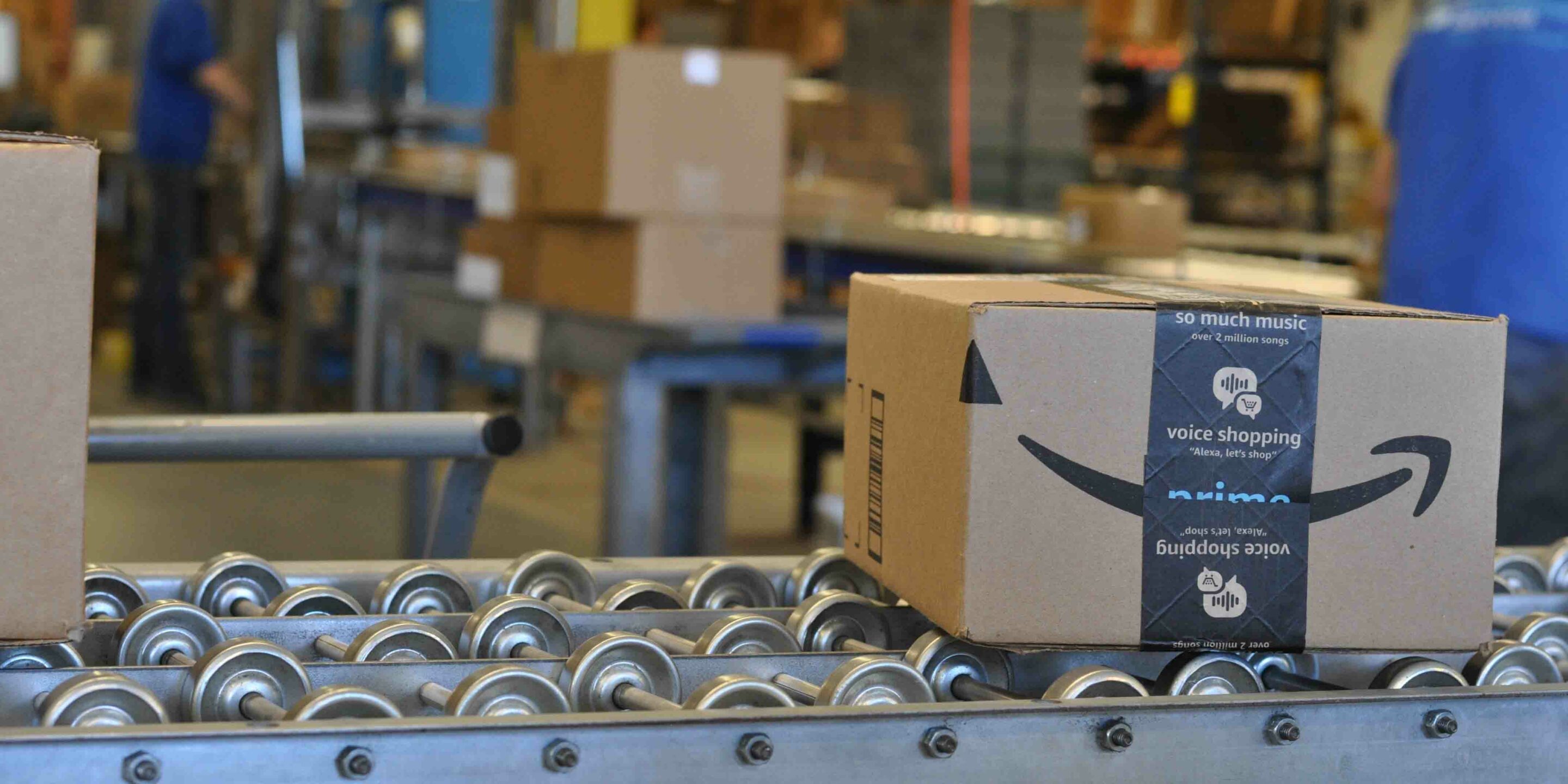
Triage means fast sorting with simple rules. Your goal: shorten “box arrived” to “inventory decision made.”
Set up a 3-lane physical layout
Lane A: unopened, resale-ready
Lane B: opened, likely resale-ready after check
Lane C: damaged, used, missing parts, high fraud risk
Put the lanes close to scanning stations. Keep Lane C away from primary stock.
Use a 4-grade condition scale
Pick one scale and stick to it:
- Grade A: new or like-new, packaging clean, all parts present
- Grade B: opened, minor packaging wear, item clean
- Grade C: used signs, damaged packaging, missing inserts
- Grade D: broken, unsafe, unsellable
Tie grades to actions
Do not debate every unit. Decide once, then train staff.
Example action rules:
- Grade A: restock same SKU within 24 to 48 hours
- Grade B: restock as “open box” SKU or route to refurb bundle
- Grade C: liquidate, parts salvage, or vendor return
- Grade D: donate route (when legal and safe), recycle, or discard
Add one high-value shortcut
Create an “expedite list” of SKUs with high margin, high velocity, and frequent stockouts. Staff process those first. This single step often raises recovered revenue more than any policy tweak.
Managing International Fulfillment doesn’t have to be a hassle.
Partnering with a 3PL like eFulfillment Service means you can focus on growing your business while we handle the details. Request a Free Quote Today!
Return fraud and wardrobing: stop the worst abuse without scaring good buyers
NRF reports two signals you should take seriously:
- 9% of returns show fraud in 2025 research
- 45% of shoppers say bending return rules feels acceptable
You need friction for risky returns. You need smooth flow for low-risk returns.
Use a tiered rule set by order risk
Low-risk signals:
- long-time customer
- low return history
- low ticket items
- unopened box photo uploaded
High-risk signals:
- first-time customer
- high ticket items
- apparel with high “event wear” patterns
- repeated size bracketing
- repeated “item not as described” claims
Practical fraud blockers that still feel fair
- Require photos for high-risk categories before approval.
- Block returns with missing serial numbers, tamper labels, or hygiene seals.
- Use store credit for repeat returners in high-risk categories.
- Tighten windows for event-driven items (formalwear, costumes, party kits).
- Flag returns where the box weight does not match shipped weight.
A clean policy line buyers accept
You do not need harsh language. Use plain language:
- what qualifies as resale-ready
- what triggers a partial refund
- what triggers store credit
- how long each step takes
If customer support repeats the same explanation 30 times a week, rewrite the policy until repeats drop.
Refund speed without inventory loss: close the data gap
Fast refunds help retention. Fast refunds also invite loss if your system approves money before your warehouse confirms receipt.

Choose your refund trigger
Pick one:
Option 1: Refund on carrier scan
Best for low-risk items and repeat customers.
Option 2: Refund on warehouse receipt scan
Best for high-risk items and high ticket items.
Option 3: Refund after inspection
Best for apparel, electronics, and anything with swap risk.
Connect your returns tech to your ops tech
Loop and other returns tools push return data into Shopify’s returns structure, where other systems then pull the data as a “source of truth”. Pipe17 positions connectors as a way to automate returns flows across systems. The goal stays simple: one return ID, one status timeline, no manual copy/paste.
Minimum statuses worth tracking:
- return started
- label created
- in transit
- received at warehouse
- inspected
- disposition set (restock, refurb, liquidate, donate)
- refund issued
If you use a 3PL, demand two basics
- A clear inspection and sorting workflow
- Timely notifications back to your team
eFulfillment Service describes return inspection, sorting by condition, and email notification as part of the return process flow, with inventory held until you respond on next steps. That “hold then decide” step reduces accidental restocks and messy refunds.
Disposition matrix for 2026: restock, refurb, liquidate, donate
Returns only hurt when returned units sit idle. A disposition matrix forces action.
Simple disposition matrix you can copy
|
Condition |
Resell path |
Channel |
Target timeline |
|
Grade A |
Restock as new |
Primary storefront + marketplaces |
24 to 48 hours |
|
Grade B |
Restock as open box |
“Open box” collection, eBay, outlet page |
3 to 7 days |
|
Grade C |
Liquidate in lots |
B2B liquidation marketplace |
7 to 21 days |
|
Grade D |
Donate, recycle, discard |
Donation route or recycler |
7 to 30 days |
B-Stock describes its platform as a B2B marketplace for liquidation, including returned and overstock inventory. If your team avoids liquidation from pride, run the math. Dead inventory still costs storage and steals focus.
One profitable habit: bundle returns
Bundle Grade B and Grade C units into lots by:
- SKU family
- season
- compatibility (parts, accessories)
- size runs for apparel
Lots move faster than one-off units.
3pl reverse logistics comparison (2025): eFulfillment Service vs shipbob vs amazon fba
This section stays focused on reverse logistics control, process clarity, and fee structure signals.
Quick comparison table
|
Feature |
eFulfillment Service |
ShipBob |
Amazon FBA |
|
No minimum order requirements |
Yes (stated) |
Varies by product and plan, ShipBob lists implementation and core fees |
Not a match, FBA runs on Amazon program rules |
|
Return instructions in every outbound box |
Yes (packing list instructions) |
Return workflows exist, managed via dashboard and support docs |
Controlled by Amazon returns flow and policy rules |
|
Inspection and sorting |
Yes, return team inspects, sorts, notifies by email |
Return handling described in ShipBob support docs |
Amazon assesses returned item condition (disposition) |
|
Who controls refunds |
Seller sets workflow, 3PL processes physical return |
ShipBob handles physical return, seller system handles refunds (API docs) |
Amazon controls fee and workflow inside FBA returns and fees |
|
Returns-related fees |
Pay-as-you-go positioning and returns service page details |
Pricing model lists implementation, receiving, warehousing, pick/pack |
FBA includes returns processing fees in fee schedules for categories |
A straight take for ecommerce sellers
- If you sell on Amazon and need Amazon Prime conversion, FBA stays hard to replace. Still, FBA adds its own fee structure, including returns processing fees and removal or disposal fees.
- If you want tighter control over inspection rules, disposition routing, and inventory recovery across channels, a 3PL returns program often fits better.
If you want a partner built for growing brands without minimum order requirements, eFulfillment Service states no minimums and outlines a defined returns workflow with inspection and email notification.
Managing International Fulfillment doesn’t have to be a hassle.
Partnering with a 3PL like eFulfillment Service means you can focus on growing your business while we handle the details. Request a Free Quote Today!
90-day plan: december 2025 prep, january 2026 execution, february cleanup
Print this. Assign an owner to each line.
December 2025 prep (2 to 3 weeks)
- Finalize return policy rules by category (apparel, cosmetics, electronics, consumables).
- Set refund trigger rules (carrier scan vs receipt vs inspection).
- Build the triage lanes and label the floor.
- Train staff on grade rules using 20 real returns as examples.
- Add “expedite SKUs” list for fast restock.
- Set up reporting: weekly return rate, refund time, restock time, fraud rate, recovery rate.
January 2026 execution (daily rhythm)
Daily:
- Clear Lane A first.
- Process expedite SKUs next.
- Process Lane C in scheduled blocks with your best inspectors.
Weekly:
- Review top 10 return reasons by SKU.
- Review top 20 customers by return volume.
- Pull a fraud sample and audit outcomes.
- Push Grade C lots to liquidation path.
February cleanup (close the loop)
- Update PDPs and size guides for high-return SKUs.
- Adjust packaging for damage-driven returns.
- Adjust policy language for repeat abuse patterns.
- Lock next holiday return playbook while pain stays fresh.
Final Thoughts: Post-Holiday Return Rush Playbook for Ecommerce Sellers
- 2025 online returns sit at 19.3% of online sales, with total retail returns projected at $849.9B.
- Processing costs often land at 20% to 65% of item cost. Speed and rules matter more than heroics.
- Triage lanes plus condition grades shorten the “death pile” cycle.
- Refund triggers should match risk. Fast refunds without receipt controls bleed cash.
- A 3PL returns program gives structure, inspection capacity, and clean workflows. eFulfillment Service lays out return instructions in each box, inspection, email notification, and hold-before-restock handling as part of its returns service flow.
If you want a returns workflow that stays clean when volume spikes, start with a returns processing quote from eFulfillment Service and map your grade rules during onboarding.
Sources (URLs)
- https://nrf.com/research/2025-retail-returns-landscape
- https://www.shopify.com/enterprise/blog/ecommerce-returns
- https://sellercentral.amazon.com/help/hub/reference/external/200453320?locale=en-US
- https://help.loopreturns.com/en/articles/3648065
- https://pipe17.com/integration/loop/
- https://www.efulfillmentservice.com/order-return-processing/
- https://bstock.com/
- https://www.efulfillmentservice.com/2012/08/do-you-have-minimum-fulfillment-requirements/
- https://www.shipbob.com/pricing/
- https://support.shipbob.com/s/article/Returns-at-ShipBob/
- https://developer.shipbob.com/guides/returns
- https://sellercentral.amazon.com/help/hub/reference/external/G200209150?locale=en-US

0 Comments