

We spend a significant amount of time creating a sale, including product pages, ads, and checkout flows. But for customers, the real experience starts after they click “buy.”
From the confirmation email to shipping updates to the day the package arrives, they’re quietly forming an opinion. Is this brand on top of things? Do they communicate well? Do they care once the money’s gone? That story writes itself long before the box is opened.
This post-purchase window is where trust is either built or chipped away. It’s also where repeat orders and recommendations are earned. Smart brands don’t treat delivery as the finish line. They treat everything after checkout as the setup for the next sale.
This post outlines how to design a true 5-star experience after checkout, using clear, repeatable steps that turn first-time buyers into returning customers and loyal advocates.
Understanding the Post-Purchase Experience
The post-purchase experience encompasses everything that happens after the purchase is made. Order confirmation, tracking updates, delivery, unboxing, setup, support, returns, and the review request. It’s the full arc from “Thanks for your order” to “I’d buy from them again.” It’s what decides how customers see your brand and whether they come back.
Salesforce found that most customers rank the experience a company provides as important as its products and services, which raises the bar on what happens after the sale, too. Retention is where the real compounding happens: a 5% lift in customer retention can increase profits by 25% to 95%, according to Bain & Company. Here’s a compact look at what drives customer retention.

All of that momentum starts with delivery. Not just whether a package arrives, but how reliably, how clearly it’s communicated, and how easy it is for customers to get answers when something goes off-script. Before you can delight with packaging or follow-ups, you have to get the fundamentals right.
That’s where delivery management comes in, one of the often-overlooked secrets behind a consistently strong post-purchase experience.
The Basics of Effective Delivery Management
Reliable, on-time delivery is the baseline. You can’t add delight on top of a shaky foundation.
Adrian Iorga, Founder and President of Stairhopper Movers, runs a business where delivery isn’t a package, it’s a crew, a time window, and someone’s entire home on the line. His perspective comes from seeing how quickly trust can be lost when expectations aren’t crystal clear.
Iorga explains, “For us, a good delivery experience starts before the truck leaves the warehouse. Customers want to know exactly when we’ll arrive, who’s showing up, and what happens if something shifts. When we communicate early and often, even delays don’t turn into complaints. Silence is what creates frustration, not the delay itself.”
Customer expectations around delivery are measurable. What people want most is flexibility, speed, and visibility (as you can see below), and when those basics are missing, the rest of the experience struggles to recover.

A few simple moves make a big difference:
- Send a clear order confirmation with expected ship and arrival dates
- Provide live tracking links that don’t require an account login
- Proactively notify customers about delays the moment you know them
- Offer delivery preferences when possible: safe drop, pickup, or time windows
- Make your carrier info and tracking ID obvious in emails and on your order status page
In more complex operations, delivery reliability starts well before anything is shipped. When teams use systems like a vertical lift module, the goal is usually to reduce picking errors, shorten fulfillment time, and make sure the right item moves through the workflow without unnecessary handling.
Bringing inventory directly to the operator minimizes delays and mistakes that often surface later as missed deliveries, incorrect shipments, or returns.
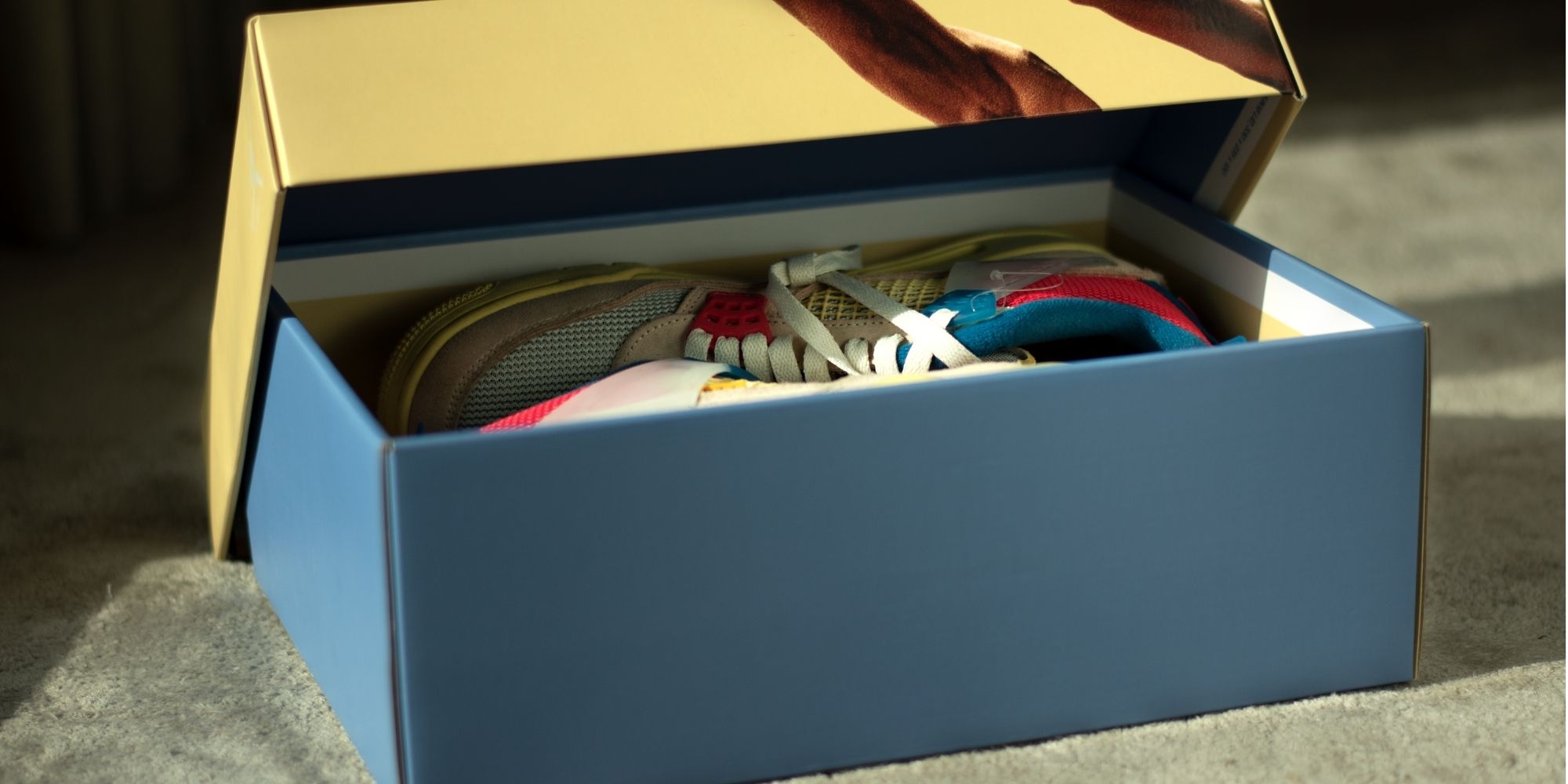
Packaging is your in-person greeting. It doesn’t have to be boutique to feel thoughtful.
Clean, protective, easy-to-open packaging with a short note or quick-start guide can turn the unboxing into a moment of reassurance. If your products are fragile, invest in inserts and clear setup steps so customers feel cared for, not blamed, if something breaks. Research has consistently shown that well-designed packaging shapes brand perception and can push customers toward repeat purchases.
Is Your Business Ready for Professional Order Fulfillment Services?
Take our 3-minute assessment to discover if partnering with a fulfillment service could help scale your business.
Storage Solutions
Optimize your inventory management
Scale Operations
Support your business growth
Save Time
Focus on core business activities
Improve Accuracy
Enhance customer satisfaction
Takes 3 minutes • Get instant results • Free analysis
Business Metrics
Assessment Questions (1-4)
Assessment Questions (5-8)
Assessment Results
Navigating Customer Support for Post-Delivery Inquiries
After delivery, questions pop up fast. Does this fit? How do I assemble it? Is this the right shade? A responsive support team turns friction into relief.
Your support team should anticipate common post-delivery questions and reach out first. A simple check-in email asking about their experience or offering help with setup shows customers you care beyond the transaction. This cuts support tickets while boosting satisfaction.
Technology can support you, but don’t let it replace the human touch. The key is using these tools to create experiences that feel thoughtful and individualized. Overusing bots and automation can backfire, as you can see below.

Keep the runway clear with:
- A friendly check-in email 2–5 days after delivery with links to set up, sizing, or care guides
- One-click access to help: an obvious support button in your order and delivery emails
- Multiple channels (chat, SMS, email, phone) with consistent answers
- A no-drama returns and exchanges flow that doesn’t bury the policy or the label
Returns are a make-or-break moment. Make them simple, fast, and fair, and customers build trust even if the first try wasn’t perfect. UPS’s Pulse of the Online Shopper has repeatedly shown that an easy returns experience heavily influences whether customers buy again.
Fulfillment with a Personal Touch.
See How Using a 3PL like eFulfillment Service sellers saves time. Get a Free Quote from eFulfillment Service Today!
Using Technology to Enhance Customer Experience
The best post-purchase experiences blend smart automation with a human touch. Automation keeps promises on time; people add warmth and judgment where it counts.
- Real-time tracking and branded status pages cut WISMO (“Where is my order?”) anxiety by giving customers answers before they ask.
- Chatbots triage simple questions and route complex ones to a human with full order context.
- Automated email and SMS flows trigger at key moments: shipped, out for delivery, delivered, delayed, return received, and refund processed.
- Personalization uses past behavior to offer relevant tips, replenishment reminders, or accessories that actually make sense.
Shan Abbasi, Director of Business Development at PayCompass, works with merchants who feel the post-purchase experience most when something breaks, payments fail, refunds stall, or customers get nervous.
Abbasi notes, “Most customer frustration comes from not knowing what’s happening. Automation helps when it gives real answers in real time, not canned updates. If a refund is processing or a charge is under review, telling customers exactly where things stand reduces panic and support volume at the same time.”
The payoff is real. McKinsey found that companies that excel at personalization generate markedly more revenue from those efforts, and they forge deeper customer relationships in the process.
Encouraging Customer Feedback and Reviews

If delivery is the experience, reviews are the echo. You want that echo to travel.
Avner Brodsky, CEO of GoodWishes, leads a platform built around moments that matter. His perspective comes from seeing how small follow-ups influence whether people feel seen—or forgotten.
Brodsky says, “People are far more willing to leave feedback when they feel acknowledged, not extracted from. A thoughtful check-in after delivery tells customers their experience matters, even if everything went.
A few tips that work:
- Time your review request for 2–7 days after delivery, when excitement is highest
- Make it one click to rate, two clicks to write, and optional to add photos
- Ask simple, specific prompts: fit, quality, shipping, packaging
- Always respond to reviews, especially the tough ones, with empathy and a clear next step
Reviews create social proof. They also offer product-level insights that help you fix recurring issues, improve packaging, or update your size chart. Displaying reviews can meaningfully lift conversion rates, especially when moving from zero to a healthy volume of authentic reviews. Consumers also increasingly expect businesses to read and respond to feedback, which builds trust when done consistently, according to BrightLocal’s Local Consumer Review Survey.
Case Studies: Brands Excelling in Post-Purchase Experience
Once the basics are in place, reliable delivery, clear updates, and sane return flows, you start to see where brands really separate themselves. The strongest post-purchase experiences don’t rely on gimmicks. They build trust first, then layer in thoughtfulness where it actually matters.
Here’s what that looks like in practice.
Amazon’s strength is clarity. Order updates and tracking are timely, and delivery photos reduce “was it delivered?” confusion. Amazon returns flows are straightforward, with labeled drop-off options and instant refunds for many items. Predictable beats flashy. Make the status easy to find and the next step obvious.
Zappos built its reputation on a 365-day returns policy with easy, prepaid returns. Their support team can solve problems on the spot, which customers remember. Remove friction where customers feel the most uncertainty, and back it with human support that can actually say yes.

Chewy goes beyond fast shipping with handwritten notes, quick refunds, and empathetic gestures that meet the moment, like sending flowers to customers who lose a pet. Those stories travel because they’re genuine acts of care, not stunts. Turn support into a relationship builder, especially in emotional categories.
Each of these brands nails the basics and then layers in humanity. That combination is hard to copy without the underlying discipline.
Summary
You don’t need Amazon’s budget to make your post-purchase experience memorable. Start with the basics: communicate early and often, deliver when you say you will, make returns easy, and follow up as you care. Then add small touches that show there are real people on your side.
Customer expectations shift, carriers change, and your product line evolves. Keep tuning your post-purchase flow based on feedback, and you’ll earn loyalty one delivery at a time.
Subscribe to efulfillmentservice.com for more ways to improve your post-purchase experience, from smarter shipping to better support. And if you know a founder or teammate who obsesses over customer happiness, share this with them.

About the Author
Jesse Galanis is a professional writer who decomposes complex concepts of business information and working online. He provides quality content that assists people in everyday life.



0 Comments