Think about the last time you ordered something online. Was the box beat up? Did it arrive earlier than expected? Was returning it going to be a headache? That’s fulfillment at work, quiet, unglamorous, and absolutely decisive.
A smooth fulfillment experience builds confidence, while a sloppy one does the opposite. Late delivery, confusing tracking, a return that feels like a punishment, suddenly, the brand you just paid for doesn’t feel worth remembering. Or worse, it’s memorable for the wrong reason.
By 2026, smart e-commerce teams have stopped treating fulfillment as a backend cost center. They’re using it as a loyalty lever in a practical way that customers deeply appreciate.
This piece looks at how fulfillment decisions shape CLV, and what’s worth paying attention to next if you want customers to stick around without needing constant discounts or reminders.
Understanding Customer Lifetime Value (CLV)
Instead of obsessing over what someone spent today, CLV asks a more useful question: what is this relationship actually worth over time?
One clean order doesn’t mean much if the customer never comes back. A slightly smaller first purchase can turn out to be far more valuable if it becomes a habit.
That’s why teams use CLV as a planning tool. It forces you to think in sequences, not transactions.
At its core, CLV moves on three simple levers:
- Retention: how long customers stick around
- Purchase frequency: how often they come back
- Average order value (AOV): how much they spend when they do
You can visualize this in detail below.
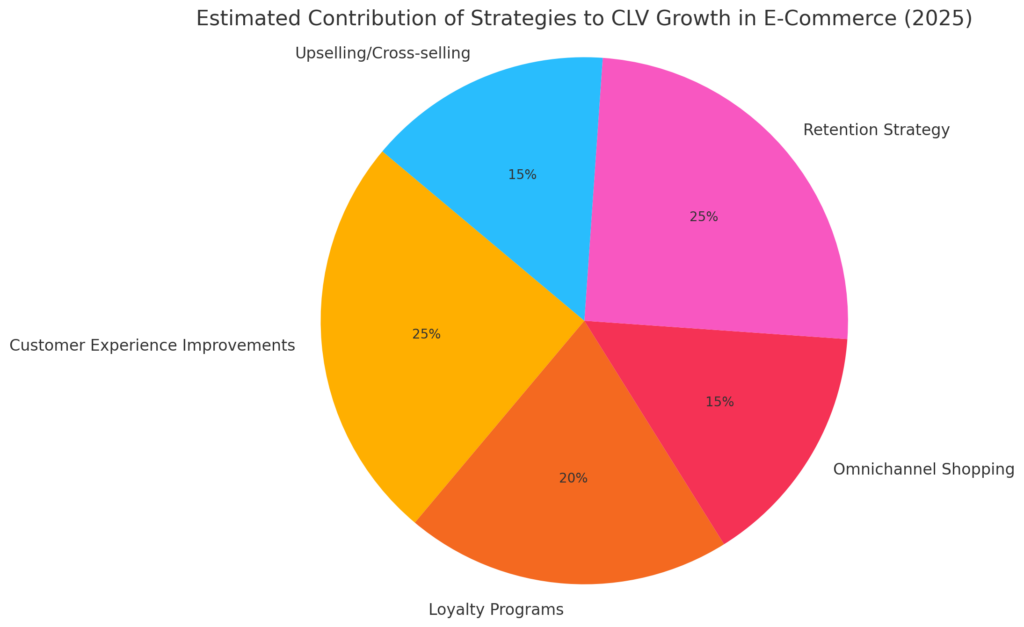
But none of these levers operates in isolation. They’re tied together by trust, and this, combined with retention, has a lot to do with order fulfillment.
For example, two stores sell the same product at the same price. One ships in three days, sends clear updates, and includes a simple return slip in the box. The other ships much later, leaves you guessing, and hides returns behind fine print. Guess which one gets the repeat purchase, even if nothing ever goes wrong?
Key Fulfillment Strategies for 2026
By the time fulfillment becomes noticeable, something has already gone right or wrong. These are the areas where that usually happens.
1. Personalization in Fulfillment
Personalization shows up in the box, the timing, and the follow-through.
Matthew Thompson, Founder of OwnerWebs, builds software for property managers who expect things to work quickly.
“For us, fulfillment is what happens right after signup. Customers want to get in, understand what they’re looking at, and see value quickly. When access is clear, setup is straightforward, and support responds fast, people stay engaged longer and use more of the product. That first delivery moment shapes everything that comes after.””
The same expectation applies to physical orders: customers want the right thing, at the right time, with no extra effort required.
Sometimes, personalization can be an insert that actually relates to what was bought or a delivery window that fits around work hours instead of interrupting them. None of this is flashy, but it’s the difference between a package feeling generic and feeling considered. Here are some interesting numbers on how personalization affects customers.
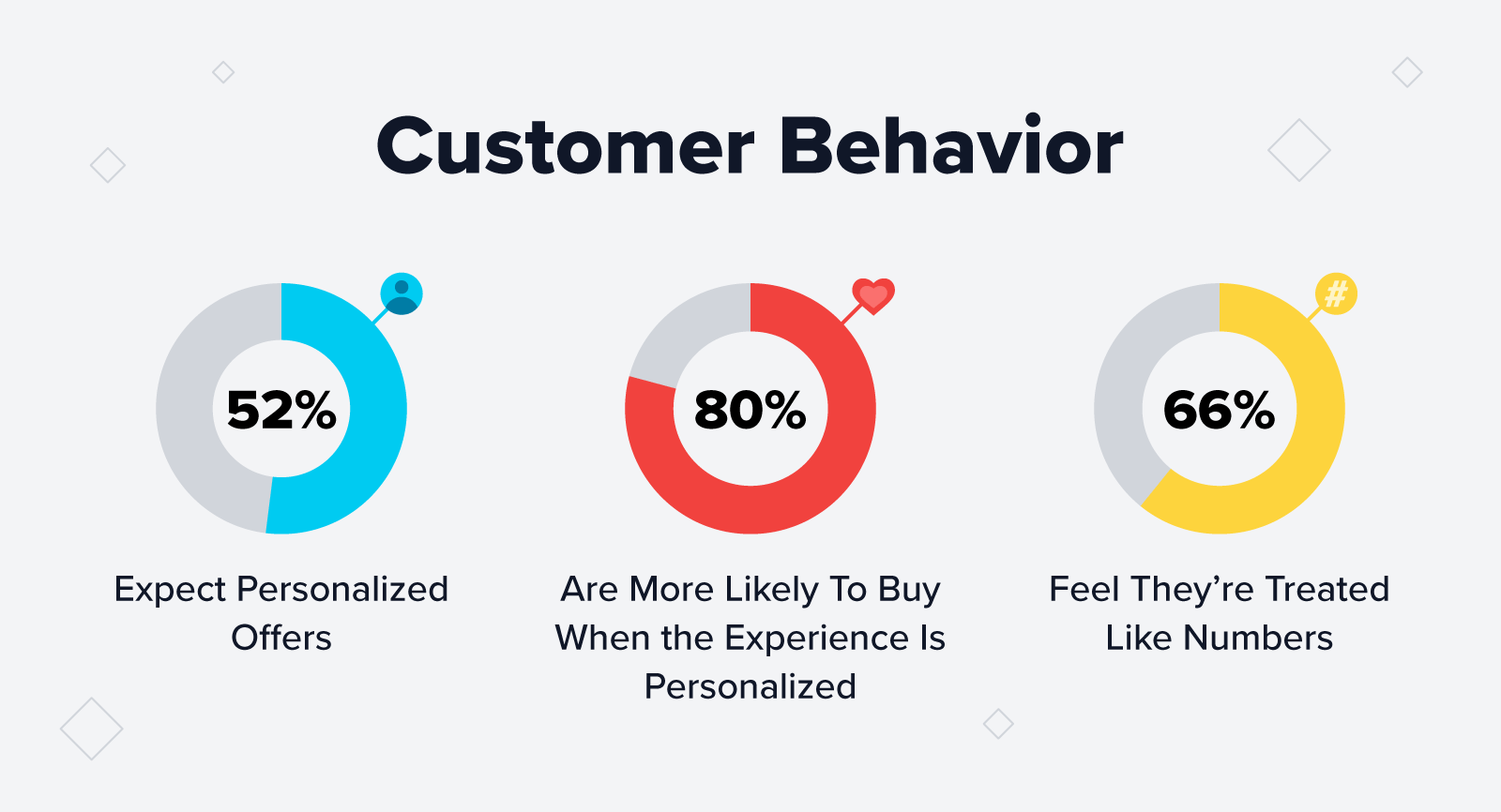
Research from McKinsey links personalization to higher revenue, but the effect doesn’t come from marketing alone.
You can usually see where this matters just by looking at your own data. Order history and support tickets tend to repeat the same stories: confusion around care, frustration with timing, and returns clustered around certain products.
Start with small fixes, such as a care card for items that get sent back often, a short note for first-time buyers, and adjust from there.
2. Eco-Friendly and Sustainable Practices
Sustainability has become part of how customers judge brands, even if they don’t say it out loud.
Deloitte found that environmental concerns still influence purchasing decisions, and packaging plays a big role in how those concerns show up day to day.
According to the Environmental Protection Agency, containers and packaging account for a large share of municipal solid waste, which puts fulfillment squarely in the middle of the conversation.
Most improvements here are unglamorous but effective. Smaller boxes. Paper instead of plastic fill. Reusable totes for local deliveries. Optional carbon-neutral shipping at checkout.
If you sell into the EU, upcoming rules like digital product passports under the Ecodesign for Sustainable Products Regulation will also push more transparency into packaging and sourcing, whether brands are ready or not.
Is Your Business Ready for Professional Order Fulfillment Services?
Take our 3-minute assessment to discover if partnering with a fulfillment service could help scale your business.
Storage Solutions
Optimize your inventory management
Scale Operations
Support your business growth
Save Time
Focus on core business activities
Improve Accuracy
Enhance customer satisfaction
Takes 3 minutes • Get instant results • Free analysis
Business Metrics
Assessment Questions (1-4)
Assessment Questions (5-8)
Assessment Results
3. Advanced Technology Integration
By 2026, most fulfillment operations use more automation than they did a few years ago, even if they don’t advertise it.
The payoff is straightforward: fewer picking errors, better inventory accuracy, and clearer delivery estimates. DHL shows how tools like collaborative robots and autonomous mobile units can improve throughput without turning warehouses into fully automated black boxes.
Cris McKee, Founder of GetWorksheets.com, runs a digital product business where delivery is instant but still closely judged.
“What we’ve learned is that the faster customers can start using what they bought, the more value they see. Clear access, obvious next steps, and quick support keep people engaged beyond the first purchase. When delivery feels effortless, customers tend to explore more and come back.”
For brands using a 3PL, the questions are basic ones: can you see inventory in real time, do you get alerts before stockouts, and how are exceptions handled?
For in-house teams, the highest return usually comes from tightening fundamentals, barcode scanning, address validation, and clear dashboards for what’s going wrong, before adding more complex systems.
4. Simplified Returns and Exchanges
Returns tend to linger in a customer’s memory longer than the original delivery.
Wang Dong, Founder of Vanswe Fitness, runs a home fitness brand where shipping problems are hard to ignore.
“When someone orders fitness equipment, they want it to arrive intact, complete, and ready to use. When that happens consistently, customers feel confident buying again or upgrading later. Clear return paths matter too, not because most people use them, but because knowing they’re there removes hesitation from the first purchase.”
A slow or confusing process creates hesitation the next time around. A clear one does the opposite. Making policies easy to find, offering printerless QR codes, and allowing quick exchanges for size or color removes a lot of anxiety from the first purchase.
Zappos set an early standard for this by treating returns as part of the experience, not an exception. That approach still holds up because it lowers the perceived risk of buying, boosting their revenue over time.
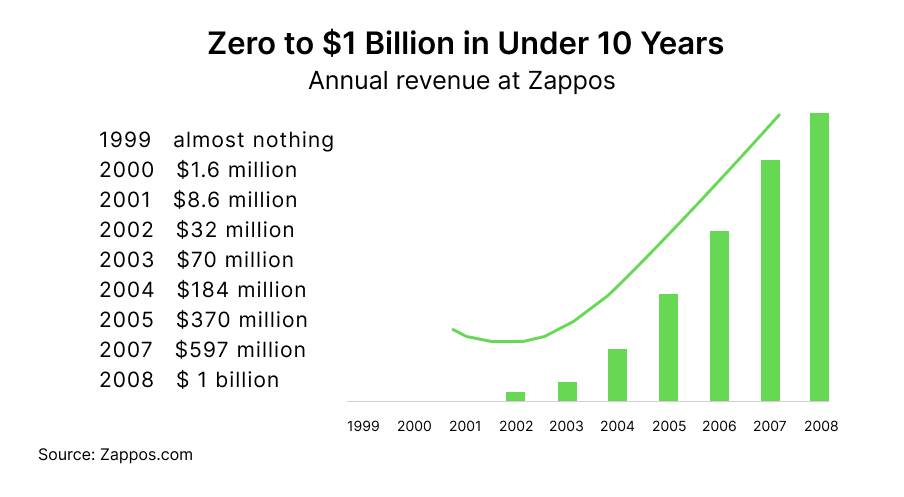
When customers know returns won’t be a hassle, they’re more willing to try something new. Most won’t use the policy, but they notice it’s there.
Operationally, that means routing returns to the closest facility, grading items quickly, and deciding early whether something should be restocked, refurbished, or written off.
For low-value items, letting customers keep the product can be cheaper than shipping it back and often leaves a better impression.
Measuring the Success of Fulfillment Strategies
You can’t improve what you don’t measure. Track the following operational KPIs and connect them to customer behavior to see what truly moves CLV.
- On-time delivery rate and average delivery time
- Order accuracy and damage rate
- Stockout rate and backorder duration
- WISMO contact rate (calls or tickets about order status)
- Return rate by reason and time-to-refund
- Post-delivery satisfaction (CSAT), NPS after fulfillment events
- Repeat purchase interval and cohort-level retention
- AOV changes after policy updates (e.g., faster shipping or easy exchanges)
- Referral and review rates following delivery
Most order management systems and 3PL portals can supply core ops metrics. For the rest, tie post-purchase surveys and loyalty data back to orders using your analytics stack or customer data platform.
Andrew Bates, COO of Bates Electric, manages large electrical projects where fulfillment failures show up immediately on site.
“In construction, reliable delivery keeps jobs moving. When materials arrive on time and match what was ordered, crews stay productive and schedules hold. That consistency removes the need for double-checking and contingency planning. Over time, that reliability is why we continue working with the same suppliers.”
The goal is a clear line from packaging choices and delivery promises to CLV, not just to on-time percentages.
Fulfillment with a Personal Touch.
See How Using a 3PL like eFulfillment Service sellers saves time. Get a Free Quote from eFulfillment Service Today!
Future Trends in Fulfillment to Watch
Fulfillment is driven by customer expectations, operational pressure, and regulation rather than big announcements. The following trends are the ones showing up most consistently across e-commerce operations heading into 2026.
- Inventory is moving closer to customers. Localized fulfillment and micro-warehousing reduce delivery times and emissions, especially in cities where locker pickups and nearby hubs make last-mile delivery simpler and more predictable.
- Instead of a single shipping option, customers increasingly see dynamic ETAs and delivery choices that reflect speed or environmental impact.
- Returns are also being addressed earlier. Better size guidance, clearer product pages, and fit prediction tools reduce avoidable returns before they happen, cutting costs while improving confidence at purchase.
- On the logistics side, sustainability is shifting from promises to options. Carrier investments in route optimization and alternative fuels are beginning to appear directly in merchant dashboards, giving brands more control over how orders move.
- Regulation is reinforcing the same trend. Requirements around product traceability and material disclosure, particularly in the EU with digital product passports, are pushing more detailed fulfillment data into customer-facing experiences.
These changes point toward fulfillment that is faster, clearer, and easier to trust, conditions that tend to support repeat purchases and stronger customer lifetime value over time.
Final Note
Fulfillment is where customers decide whether to trust you again. Orders that arrive on time, match what was promised, and align with a customer’s values tend to bring people back. Personalize only where it’s useful, make sustainability practical, automate to avoid errors, and keep returns simple. Track how these choices affect repeat purchases.
Keep improving in small ways. Listen to customer feedback. Stay close to your fulfillment partners. Over time, steady changes in how orders are handled turn into repeat business and referrals.
If you’re rethinking how fulfillment affects repeat purchases and retention, it may be worth seeing how a dedicated 3PL handles the details day to day. Visit eFulfillment Service to see how their fulfillment model works for growing eCommerce brands.

About the Author
Brooke Webber is a passionate advocate for a people-first strategy in HR. Her major focus areas are workplace psychology and employee listening, where she has already accumulated five years of writing experience.
0 Comments