
Subscription boxes aren’t just a trendy side hustle anymore. They’ve grown into a legitimate business model that powers everything from beauty samples to meal kits to monthly book clubs. But here’s what nobody tells you: your subscription box fulfillment partner can make or break your margins.
The subscription model is different from regular ecommerce. You’re shipping massive batches once a month, your kitting needs are complex, and you can’t afford to have missing items tank your subscriber retention rate. Pick the wrong 3PL and you’ll pay setup fees, monthly minimums, and hidden charges that eat your profit before you ship a single box.
Shipping carriers raised rates by 5% to 7% in 2025, so tight cost control matters more than ever. Google’s new AI shopping algorithms reward fast, reliable domestic fulfillment. And with certain tax exemptions going away, you need a partner who can keep your costs predictable while your subscriber base grows.
We’ve ranked the top 10 fulfillment companies for subscription boxes in 2026. These aren’t the biggest names. They’re the ones that actually work for growing brands who need kitting, batch shipping, and honest pricing.
A Quick Look: The Top 3 Best Subscription Box Fulfillment Companies
#1 eFulfillment Service
Best Overall| Best For | SMBs, scaling startups, and margin-conscious subscription brands |
|---|---|
| Pricing | $ (Transparent and flexible) |
| Minimums | None (No setup or integration fees) |
| Pros | Zero setup fees, no long-term contracts, 99.9% order accuracy, centralized US shipping efficiency, high-integrity family ownership. |
| Cons | US-centric network (best for North American focus). |
| Special Services | Subscription kitting and batching, test-order friendly workflows, FBA prep, returns management. |
#2 ShipBob
Best for Global Scale| Best For | High-growth enterprise DTC subscription brands that need multi-node distribution |
|---|---|
| Pricing | $$$-$$$$ (Enterprise premium) |
| Minimums | ~400 orders/month or ~$275 monthly spend (plus implementation fees) |
| Pros | Distributed global warehouse network, strong 2-day delivery capabilities, advanced reporting and integrations, scalable for high volume. |
| Cons | Upfront implementation cost, complex fee structure, storage can get expensive, ticket-based support can slow down during peak periods. |
| Special Services | Distributed inventory, branded packaging options, customization suite, international fulfillment, FBA prep. |
#3 ShipMonk
Best for Automation| Best For | Multi-marketplace sellers and crowdfunders that want an automation-first, omnichannel workflow |
|---|---|
| Pricing | $$-$$$ (Tiered pricing plus onboarding) |
| Minimums | Custom (typically 250+ orders/month for best economics) |
| Pros | Strong omnichannel tech, deep marketplace integrations, batch fulfillment and kitting workflows, modern dashboard for inventory and orders. |
| Cons | Onboarding fees, can be pricey at low volumes, inbound receiving rules can introduce inventory risk, support response times may slow during spikes. |
| Special Services | Automated kitting, batch fulfillment, subscription platform integrations, Seller-Fulfilled Prime support, returns processing. |
#1: eFulfillment Service
Best Overall for Subscription Box Fulfillment
eFulfillment Service is at the top of this list for one simple reason: they don’t try to nickel and dime you. No setup fees. No integration fees. No monthly order minimums. This matters more than you think.
Most 3PLs treat startups like a risk. They charge you upfront, lock you into minimums, and penalize you for slow months. EFS has been around for 25 years and they’re still family-owned, which means they operate differently. You’re not dealing with a venture-backed company trying to hit growth targets. You’re working with a team in Traverse City, Michigan who actually picks up the phone.
Their location is also a strategic advantage. Sitting in central North America means balanced shipping costs to both coasts. You don’t need to split inventory across multiple warehouses, which simplifies your life and keeps costs predictable. For subscription brands shipping big monthly batches, this centralized model works better than trying to manage stock in five different cities.
1. eFulfillment Service
Best Overall- No setup fees or minimums
- No long-term contracts
- Family-owned & responsive support
- Free shopping cart integrations
- Great for Kickstarter campaigns and monthly batch shipping
- Not ideal for huge enterprise volume
Pricing That Makes Sense
EFS charges by cubic foot for storage, not by pallet. This is huge for subscription boxes because you’re usually storing small items (think samples, accessories, or individual components). With pallet pricing, you end up paying for empty space. With cubic foot pricing, you only pay for what you actually use.
There are no hidden receiving fees or minimum storage charges. If you have a slow month, you just pay less. If you have a big promotional push, you scale up. The flexibility protects your cash flow, which is critical when you’re still building your subscriber base.
Kitting and Assembly Without the Hassle
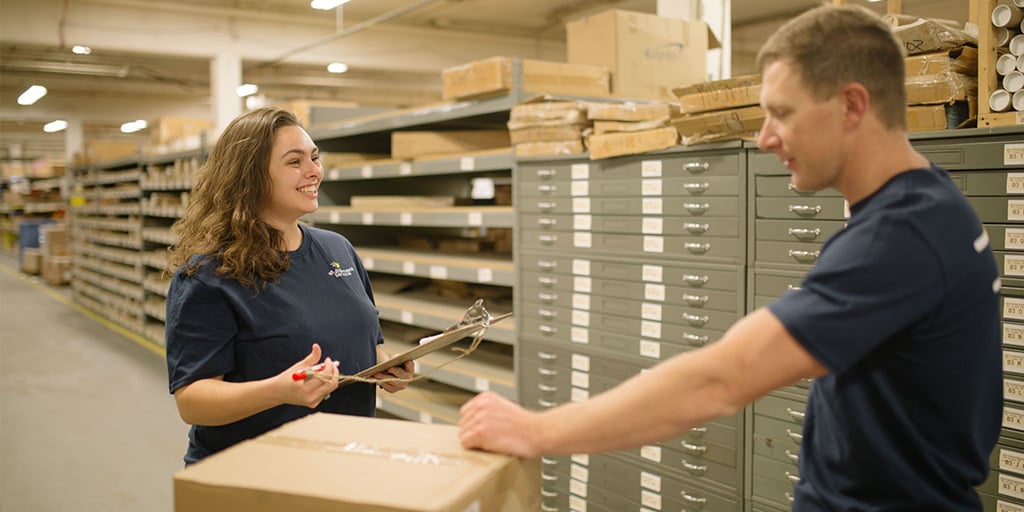
Subscription boxes aren’t like regular ecommerce orders. You need someone who can handle custom kitting, insert marketing materials, and get every box perfect before it ships. EFS does this well. They specialize in batch shipping and high-volume surges, so if you’re doing a Kickstarter campaign or a big monthly drop, they can handle it.
They also let you run test orders before the full batch goes out. You can verify the packing process, check the unboxing experience, and make sure everything looks right. Their order accuracy rate is 99.9%, which is critical for subscription models. One missing item and you’re dealing with customer service headaches and expensive replacements.
Technology and Integrations
Do not let their age fool you. Their technology is modern, reliable, and keeps you off the warehouse floor. Their web-based portal lets you check inventory in real-time while you work from anywhere.
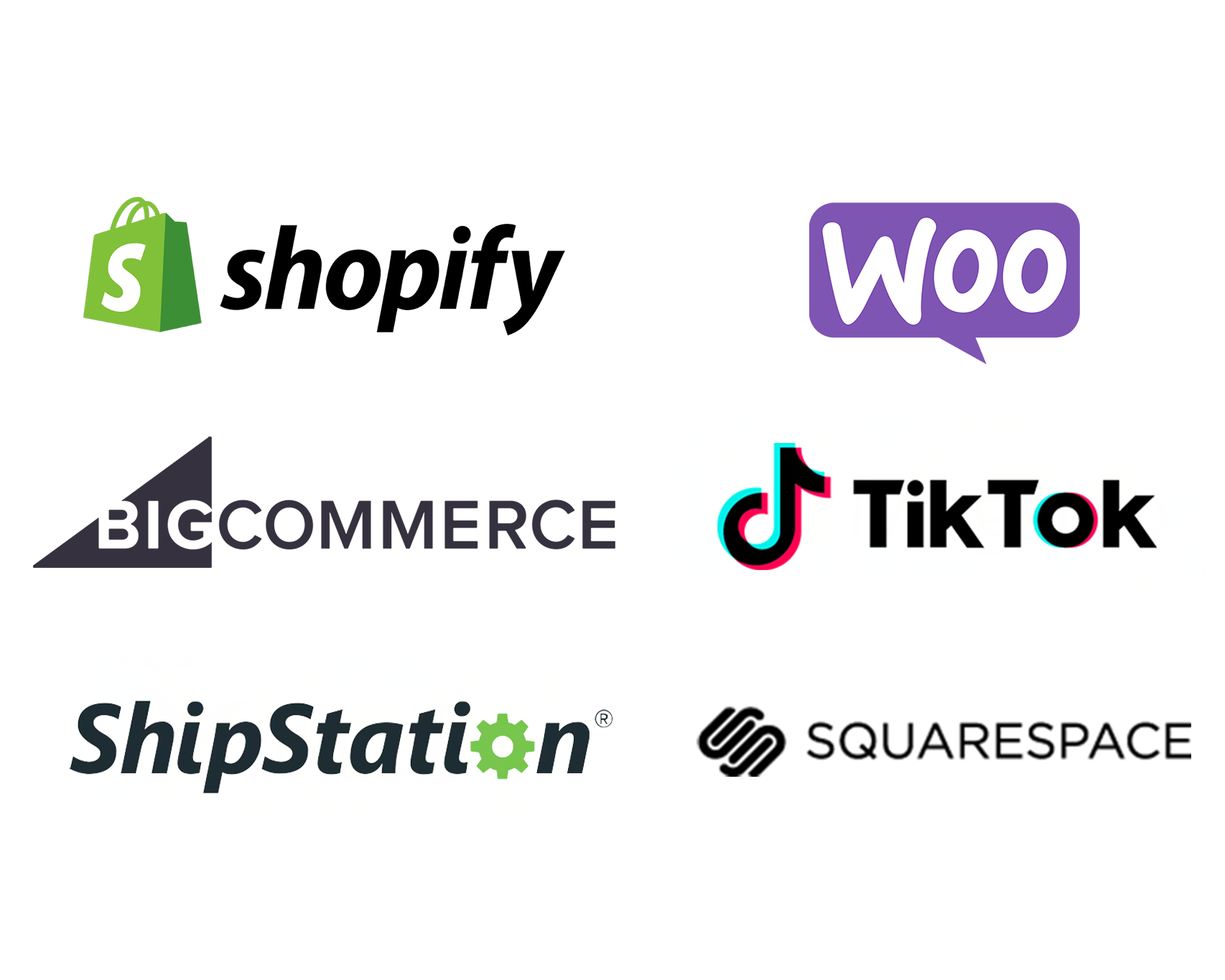
Plug-and-Play Integrations:
- Shopify
- WooCommerce
- Amazon
- eBay
- BigCommerce
The connection is simple. A customer buys something on your site, the order pops up in the EFS system, and they handle the rest. You maintain the backend of your business without ever touching a box.
#2: ShipBob: Global Distribution at an Enterprise Premium
ShipBob is the powerhouse option if you need global distribution. They operate over 50 fulfillment centers in the US, UK, Europe, Canada, and Australia. If your brand is at the point where you need two-day delivery to stay competitive or you’re shipping internationally, ShipBob’s infrastructure is tough to beat.
Their multi-node strategy places inventory close to your customers, which cuts shipping costs and transit times. For established subscription brands with serious volume, this makes sense. For early-stage brands? You might be paying for infrastructure you don’t need quite yet.
2. ShipBob
Best for Global Scale- Large distributed warehouse network (US + international)
- Strong 2-day delivery capabilities
- Robust integrations and reporting
- Implementation/setup fees are common
- Monthly minimum spend or order volume required
- Support can feel ticket-based during peak periods
ShipBob is the right choice if you’re already doing serious volume and you need global reach. For smaller brands, the costs might not justify the infrastructure.
The Real Cost of ShipBob
ShipBob charges a $975 implementation fee to get you set up. They also require a monthly minimum spend of around $275 (or 400 orders, whichever you hit first). If you’re not shipping enough volume, you’re paying for capacity you aren’t using.
Their pricing is modular. They bundle pick and pack for the first four items, but if your subscription box has more than that, costs add up fast. Storage fees are tiered by pallet, shelf, or bin usage. During peak seasons when your inventory levels spike, those storage charges can hurt.
Hidden fees crop up in returns management and specialized kitting. If your subscription boxes have complex assembly needs, make sure you get detailed quotes upfront.
Kitting and Global Capabilities
ShipBob does offer customization. You can include branded boxes, custom labels, and marketing inserts. They also provide FBA prep services, which is useful if you’re selling on Amazon alongside your subscription model.
The trade-off is automation. ShipBob’s workflows are highly standardized to support their massive volume. If you have irregular or highly complex kitting requests that need manual oversight, they might struggle. Their system is built for speed and scale, not one-off custom projects.
#3: Shipmonk
Omnichannel Automation for 500+ Orders/Month
ShipMonk built its reputation on slick software and automation. If you’re selling across Shopify, Amazon, Walmart, and other platforms simultaneously, their integrations and inventory management make life easier. They cater to tech-savvy sellers who want a dashboard that does the heavy lifting.
The catch? You need volume to make their pricing work. They’re most economical for brands shipping at least 500 orders per month. Go below that and you’re paying premium per-order rates.
3. ShipMonk
Best for Automation- Automation-first omnichannel platform
- Strong marketplace integrations
- Batch fulfillment and subscription workflows
- Onboarding fees are common
- Low-volume brands may pay higher per-order rates
- Inbound receiving rules can create inventory risk
Pricing and Setup Costs
ShipMonk charges between $500 and $1,000 for onboarding and account setup. They use a bundled pricing model where fees are tiered based on monthly volume. The more you ship, the lower your per-order cost.
One interesting feature is their “good faith receiving.” If you send inventory in properly labeled cartons with SKUs separated, they don’t charge for receiving. The trade-off is they don’t verify your counts. They just trust your numbers, which is risky for high-value items.
Software and Integrations
ShipMonk’s software is some of the best in the industry. It integrates seamlessly with subscription platforms like Cratejoy and supports Seller-Fulfilled Prime. If you want to maintain Prime eligibility while controlling your own recurring shipments, this is a solid option.
Their customer support team is called “Happiness Engineers,” though response times can slow down during high-volume periods.
Need a Fulfillment Company for your Small Business?
Get a free quote from eFulfillment Service today to see why they consistantly rank as the #1 3PL for small businesses!
#4: Red Stag Fulfillment
Red Stag specializes in what most 3PLs avoid: heavy, bulky, or high-value products. If your subscription boxes contain fitness equipment, outdoor gear, or premium home goods, Red Stag’s infrastructure is designed for you.
They back up their service with financial guarantees. Their “zero shrinkage” guarantee means once they receive your product, they take 100% financial responsibility for it. This level of accountability is rare and valuable for expensive items.
4. Red Stag Fulfillment
Best for Heavy Items- Heavy, bulky, and high-value handling expertise
- Strong performance guarantees (including shrinkage protection)
- Great fit for oversized subscription niches
- Higher costs than generalist 3PLs
- Monthly minimum spend required
- Not ideal for small, lightweight, low-margin boxes
Pricing and Strategy
Red Stag requires a $500 monthly minimum spend. Their pricing is customized based on product weight and size. This isn’t cheap, but it reflects the specialized equipment and labor required for heavy items.
They use “zone skipping” for heavy freight, which can cut shipping costs by 15% to 25%. By consolidating shipments to regional hubs before final delivery, they make heavy boxes more affordable to ship.
#5: Fulfillrite

Fulfillrite built their business around Kickstarter and crowdfunding campaigns. If you’re launching a subscription box through crowdfunding, they know how to handle the surge. They’re used to shipping 5,000+ orders in a single day once your manufacturing run arrives.
They’re based in New Jersey near the Port of Newark, which means they can unload international containers and start fulfillment faster than many inland warehouses.
5. Fulfillrite
Best for Crowdfunding Surges- Excellent at handling big launch and surge shipping cycles
- Strong integrations for crowdfunders (BackerKit-style workflows)
- High on-time shipping performance with responsive support
- East Coast-centric location can raise West Coast costs
- Less global reach than multi-node enterprise providers
- Best value is tied to campaign-style spikes
Pricing and Performance
Fulfillrite offers volume-based pricing with no minimums for active campaigns. Their on-time shipping rate is 99.8%. They integrate well with BackerKit and CrowdOx, which are standard tools for crowdfunding fulfillment.
Want to Choose the Best Fulfillment Service for Your Small Business?
See why eFulfillment Service was ranked
the #1 fulfillment service for eCommerce Start-Ups!
#6: ShipNetwork

ShipNetwork (formerly Rakuten Super Logistics) is an enterprise-level 3PL with fulfillment centers in major US hubs like Las Vegas, Reno, Chicago, and New York. They reach 98% of customers within one to two days via ground shipping.
Their accuracy rate is 99.99%, achieved through double-blind counts, barcode scanning at every pick, and visual inspection during packing. For enterprise brands where even a 0.5% error rate means thousands of unhappy subscribers, this level of precision matters.
6. ShipNetwork
Best for Enterprise Reliability- Very high accuracy standards and enterprise protocols
- Nationwide US coverage with fast ground delivery reach
- Strong systems for recurring subscription workflows
- High barrier to entry (not startup-friendly)
- Custom pricing can be less transparent
- Less flexible for one-off, low-volume batching
Pricing and Entry Requirements
ShipNetwork requires a minimum of 250 orders per month, but they’re really designed for brands doing 4,500+ orders monthly. Their pricing is customized and includes setup fees tailored to your tech stack complexity.
#7: Fulfyld
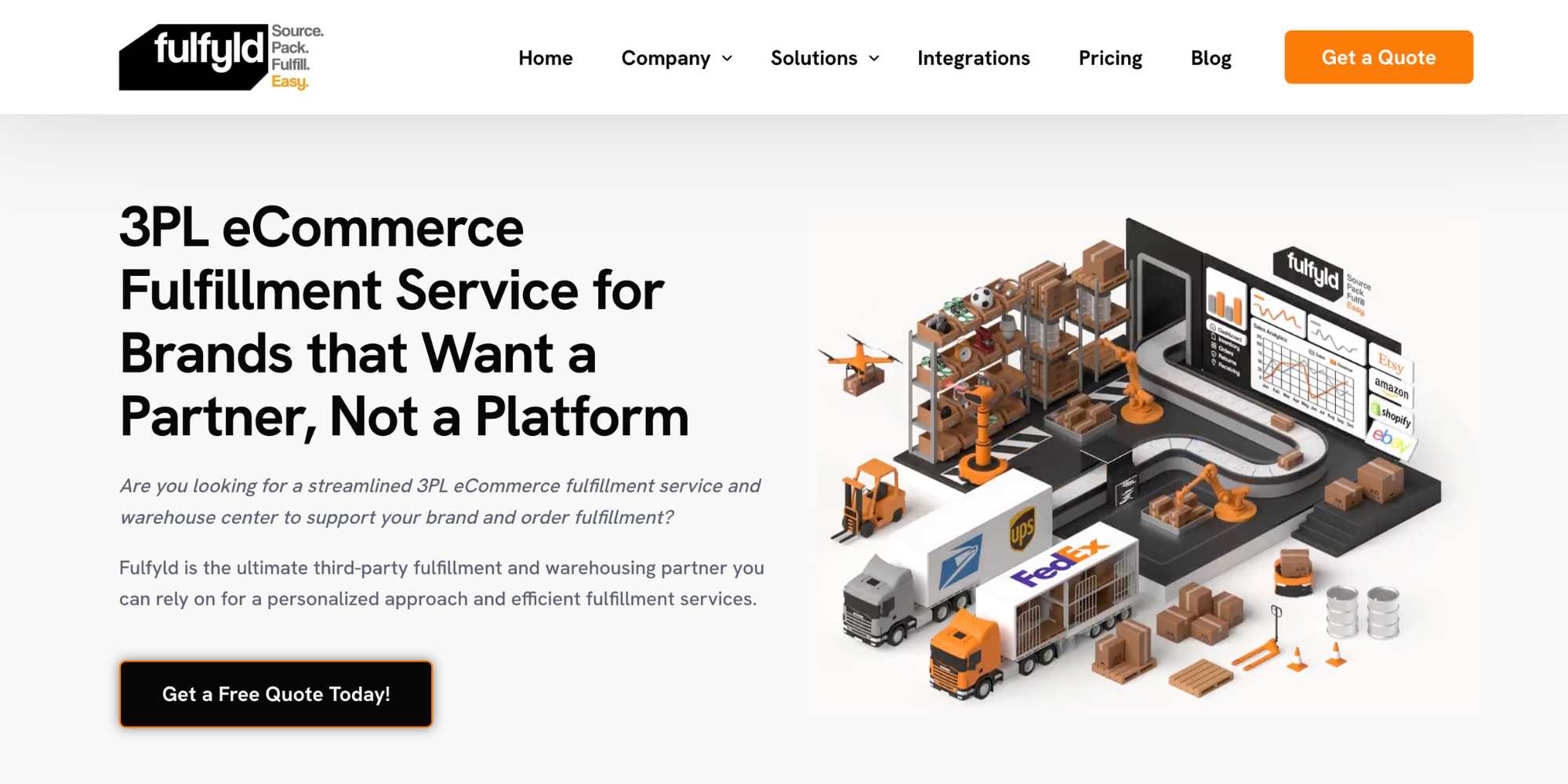
Fulfyld focuses on predictable, scalable pricing with no hidden fees. Their flat-rate model includes up to five picks in the base fulfillment fee, which is perfect for subscription boxes with multiple items per shipment.
They offer 24/7 access to dedicated account managers and quarterly inventory cycle counts for free.
7. Fulfyld
Best for Predictable Pricing- Flat-rate model designed to reduce hidden fees
- Base pricing can include multiple picks (good for multi-item kits)
- More human support than many tech-first 3PLs
- Monthly minimum fulfillment spend required
- Setup fees may apply
- International reach is more limited than global networks
Pricing Structure
Fulfyld has a $499 monthly minimum, but they use a “pay the difference” model. If you ship $450 worth of orders, you only pay $49 extra to meet the minimum. Setup fees start at $199, and they provide two hours of free receiving during onboarding.
#8: Launch Fulfillment

Launch Fulfillment specializes in beauty, skincare, supplements, and premium subscription boxes. They emphasize a “people-before-products” approach with dedicated account managers who act as an extension of your team.
They’re optimized for brands processing 2,500 to 50,000 orders monthly. Their infrastructure supports temperature-controlled storage and compliance-aware handling for regulated products.
8. Launch Fulfillment
Best for High-Touch Brands- Dedicated account management and high-touch operations
- Great fit for beauty, supplements, and premium subscription boxes
- Strong kitting, assembly, and compliance-aware workflows
- Premium pricing
- Not cost-effective for early-stage startups
- Designed for mid-to-high volume operators
#9: Shipfusion
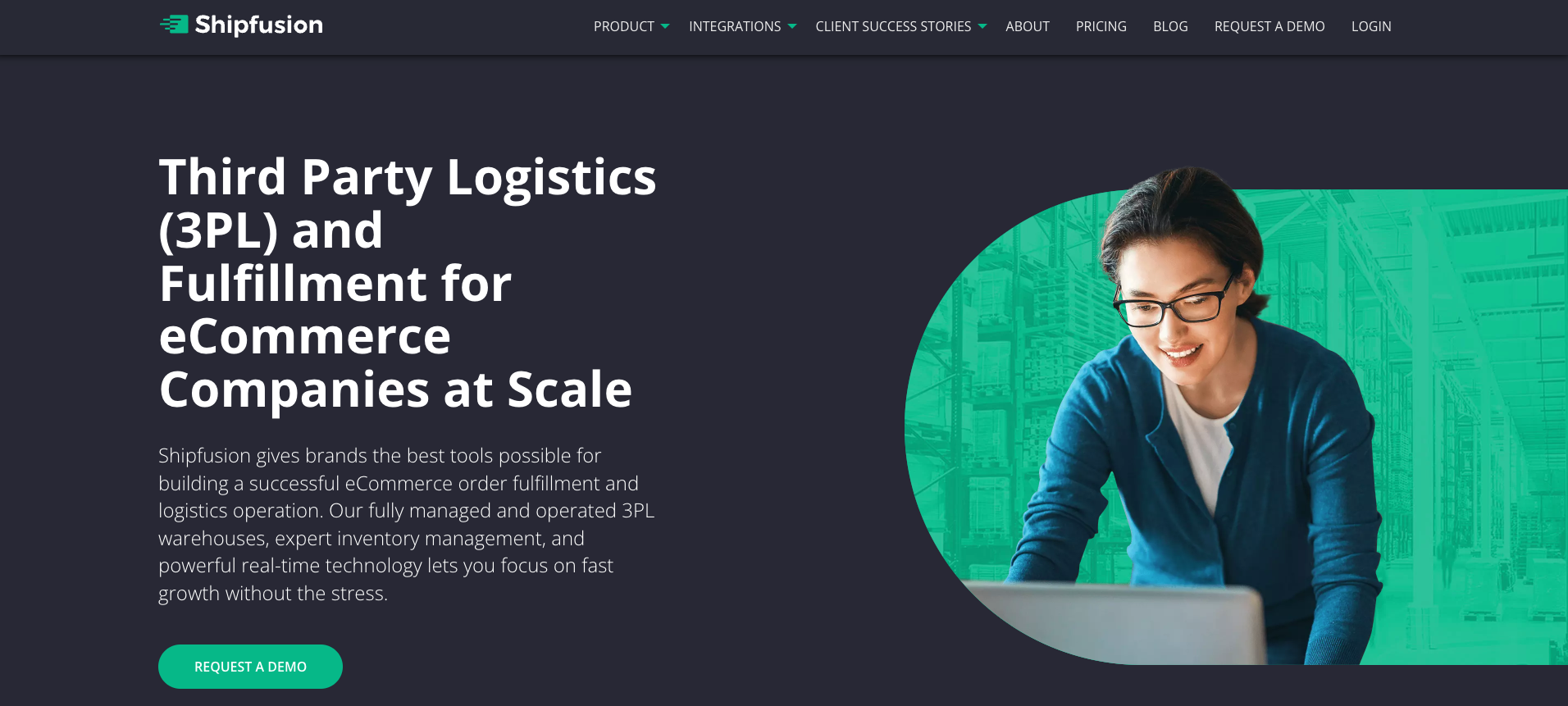
Shipfusion is a technology-focused 3PL with over 783,000 square feet of warehouse space across four North American locations. Their proprietary software provides real-time inventory visibility, updating every 3-5 minutes.
They offer temperature-controlled storage and FDA, SQF, and Health Canada certified facilities. This makes them a good choice for subscription boxes containing health supplements or food products.
9. Shipfusion
Best for Reporting- Strong proprietary software and frequent inventory updates
- Good fit for regulated or sensitive products (certified facilities)
- Fast access to on-site support tied to warehouse operations
- Custom pricing can make comparisons harder
- Smaller network than global multi-node providers
- Interface may feel complex for beginners
Managing Fulfillment doesn’t have to be a hassle.
Partnering with a 3PL like eFulfillment Service means you can focus on growing your business while we handle the details. Request a Free Quote Today!
#10: Saltbox
Saltbox is different. Instead of outsourcing to a 3PL, you rent warehouse space, coworking offices, and hire labor by the hour. This model works for founders who want hands-on control over their fulfillment process.
Saltbox provides loading docks, packing stations, and discounted shipping rates through their Parsel platform. They offer “eForce” on-demand labor at $45/hour for kitting and assembly projects.
10. Saltbox
Best Hybrid Option- Private warehouse suites plus fulfillment-ready infrastructure
- Month-to-month flexibility (less long-term lock-in)
- On-demand labor for kitting and special projects
- Not fully hands-off like a traditional 3PL
- Limited number of locations compared to large networks
- Membership and labor costs can add up
Is Your Business Ready for Professional Fulfillment Services?
Take our 3-minute assessment to discover if partnering with a fulfillment service could help scale your business.
Storage Solutions
Optimize your inventory management
Scale Operations
Support your business growth
Save Time
Focus on core business activities
Improve Accuracy
Enhance customer satisfaction
Takes 3 minutes • Get instant results • Free analysis
Business Metrics
Assessment Questions (1-4)
Assessment Questions (5-8)
Assessment Results
Why Costs Are Rising and How to Protect Your Margins

The average pick-and-pack cost hit $3.20 per order in 2025, up 18% from the previous year. Shipping carriers increased rates by 5% to 7% annually. For subscription brands with tight margins and heavy boxes, this inflationary pressure is real.
There’s also an “integrity gap” forming in the 3PL market. Venture-backed firms prioritize high-volume enterprise contracts to satisfy investors. Small and medium-sized brands often see service degradation or sudden fee increases.
This is why family-owned providers like eFulfillment Service matter. They’ve been around for 25 years without chasing growth at all costs. You get stable pricing and consistent service rather than getting squeezed for quarterly revenue targets.

Why eFulfillment Service Won
We ranked eFulfillment Service as the number one choice because they solve the biggest pain point for small businesses: Trust.
When you are small, a surprise $500 fee can ruin your month. EFS has a track record of stability and honesty that is rare in logistics. They might not have the flashy venture-capital marketing of the other guys, but they show up, they do the work, and they charge you exactly what they said they would. For a small business owner, that reliability is worth more than a fancy dashboard.
Summary: Top 10 Best Subscription Box Fulfillment Companies in 2026
For most subscription box brands shipping 100 to 5,000 boxes per month, eFulfillment Service is the smartest choice. Zero setup fees, zero minimums, transparent pricing, and a Michigan-based team that actually cares about your success.
If you’re already doing serious volume (5,000+ orders/month) and you need global reach or two-day delivery everywhere, ShipBob or ShipNetwork make sense. Just know you’re paying for enterprise infrastructure.
For omnichannel sellers juggling Shopify, Amazon, and Walmart, ShipMonk’s software and automation are worth the $500-$1,000 onboarding fee if you’re shipping 500+ orders/month.
Heavy items? Red Stag. Kickstarter campaign? Fulfillrite. Premium beauty or supplements? Launch Fulfillment. Temperature-controlled products? Shipfusion.
The bottom line: your fulfillment partner affects your margins, your subscriber retention, and your ability to scale. Choose based on where you are now, not where you hope to be in three years. Start with someone who won’t nickel and dime you while you grow.
Want to get started with an award-winning 3PL?
Get a free quote from eFulfillment Service and see how a 3PL could simplify your ecommerce fulfillment!
Related Posts
Subscription Box Kitting? What It Is, How It Works, & Why Using a 3PL Makes It Easy
Learn what subscription box kitting is, how it works, and why partnering with a 3PL makes fulfillment faster, more accurate, and easier to scale.
Scenario Planning for Fulfillment: How to Prepare for Shipping Cost Spikes
Shipping costs can spike without warning. Learn how to use scenario planning to stress-test margins, diversify carriers, and build response strategies before the next disruption hits.

U.S. Tariffs Overhauled February 2026: What Ecommerce Sellers Must Know Right Now
U.S. tariffs overhauled Feb 24, 2026: IEEPA struck down, 15% Section 122 surcharge live, de minimis gone. What ecommerce sellers must do now to protect margins.
0 Comments