
The rules changed overnight. If you’re importing goods into the U.S., what worked last week won’t work today. Starting February 24, 2026, a 15% global import surcharge kicked in under Section 122 of the Trade Act of 1974, and the long-relied-upon de minimis exemption is gone for good. This combination will hit your margins, your pricing strategy, and your entire fulfillment model.
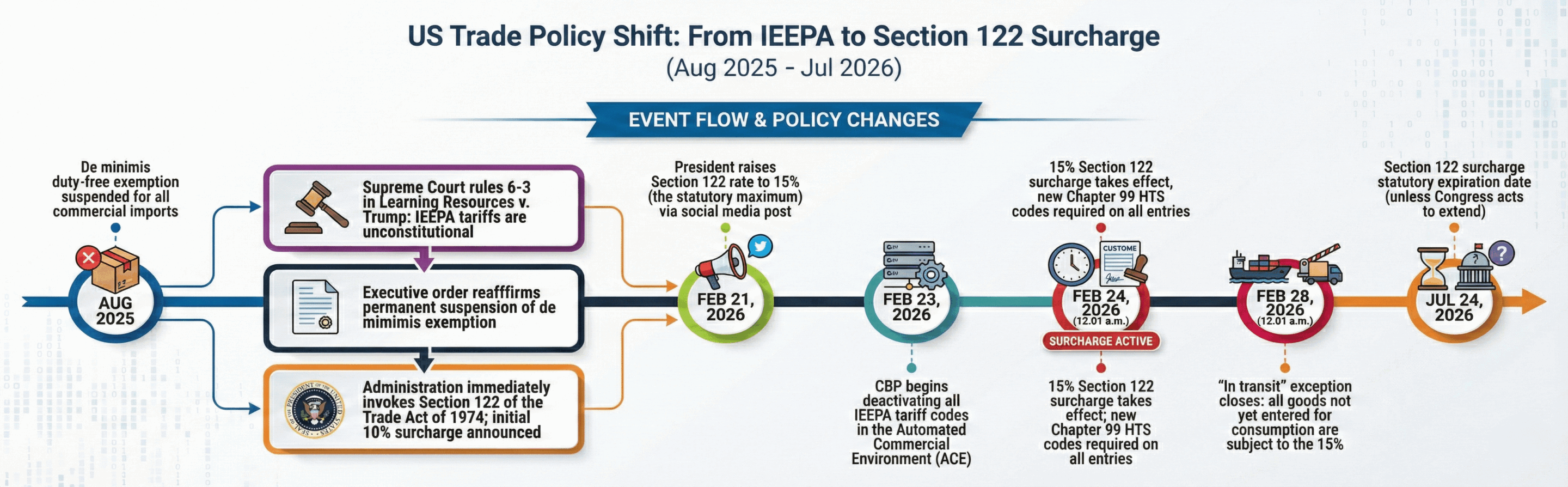
Here’s what happened: the Supreme Court struck down the IEEPA-based tariffs that had been the backbone of U.S. trade policy through 2025. The administration responded within hours by switching legal authorities and slapping a 15% duty on imports from virtually every country. The $800 duty-free threshold? Also dead, reaffirmed gone in the same executive order.
Whether you’re running a Shopify store, an Amazon FBA operation, or a dropshipping business built on cheap international goods, you need to understand exactly what changed, how the math works now, and what options you have to protect your business.
Jump right in: U.S. Tariffs Overhauled February 2026
- The Supreme Court Ruling That Triggered Everything
- Section 122: How the New 15% Surcharge Works
- The End of De Minimis: No More $800 Free Pass
- Customs Entry Types You Now Need to Know
- International Postal Shipments and the Qualified Party System
- New HTS Codes and CBP Technical Requirements
- How to Calculate Your True Landed Cost in 2026
- How Amazon and Shopify Are Responding
- FedEx and UPS Rate Hikes: The Hidden Cost Stack
- FTZs and Bonded Warehouses: Your Duty Deferral Options
- Duty Drawback: Getting Money Back on Re-Exports
- Recovering IEEPA Duties: The $175 Billion Refund Window
- What Happens When Section 122 Expires on July 24, 2026
- FAQ: Quick Answers for Ecommerce Sellers
Why IEEPA Tariffs Were Struck Down: The February 2026 Supreme Court Ruling Explained

On February 20, 2026, the Supreme Court handed down a 6-3 decision in the consolidated cases of Learning Resources, Inc. v. Trump and Trump v. V.O.S. Selections, Inc. The ruling was direct: the International Emergency Economic Powers Act (IEEPA) does not give the President authority to impose broad-based tariffs. Taxing imports is an Article I power. That belongs to Congress, not the executive branch.
With that ruling, the entire structure of tariffs that had been in place through 2025 and into early 2026 collapsed. The “reciprocal” duties and “fentanyl” tariffs built under IEEPA were suddenly illegal.
The administration’s response was fast. Within hours of the ruling, a new proclamation appeared invoking Section 122 of the Trade Act of 1974. An initial rate of 10% was announced, then the President posted on social media on February 21 raising it to 15%: the statutory maximum under Section 122. The framing was deliberate: unlike IEEPA, Section 122 is a statute specifically designed for trade-deficit situations, meaning it rests on much firmer legal ground.
The effective average U.S. tariff rate, which briefly dropped to 9.1% right after the SCOTUS ruling, is now sitting at approximately 13.7% under the 15% Section 122 regime.
Section 122: How the New 15% Surcharge Works
Section 122 of the Trade Act of 1974 is an obscure authority that had never been used in modern trade history before this month. It lets the President impose import surcharges when there’s a “large and serious” balance-of-payments deficit or when the U.S. dollar faces a significant risk of depreciation.
The administration’s justification: a $1.2 trillion goods trade deficit and a net international investment position at negative 90% of U.S. GDP.
Here’s the key difference from what came before:
|
Feature |
IEEPA (Prior Authority) |
Section 122 (Current Authority) |
|
Triggering Condition |
National Emergency |
Balance-of-Payments Deficit |
|
Rate Ceiling |
Discretionary (10% to 25%+) |
Maximum 15% |
|
Duration |
Indefinite |
150 Days |
|
Congressional Role |
Passive oversight |
Required for extension |
|
Legal Basis |
Emergency executive power |
Specific trade statute |
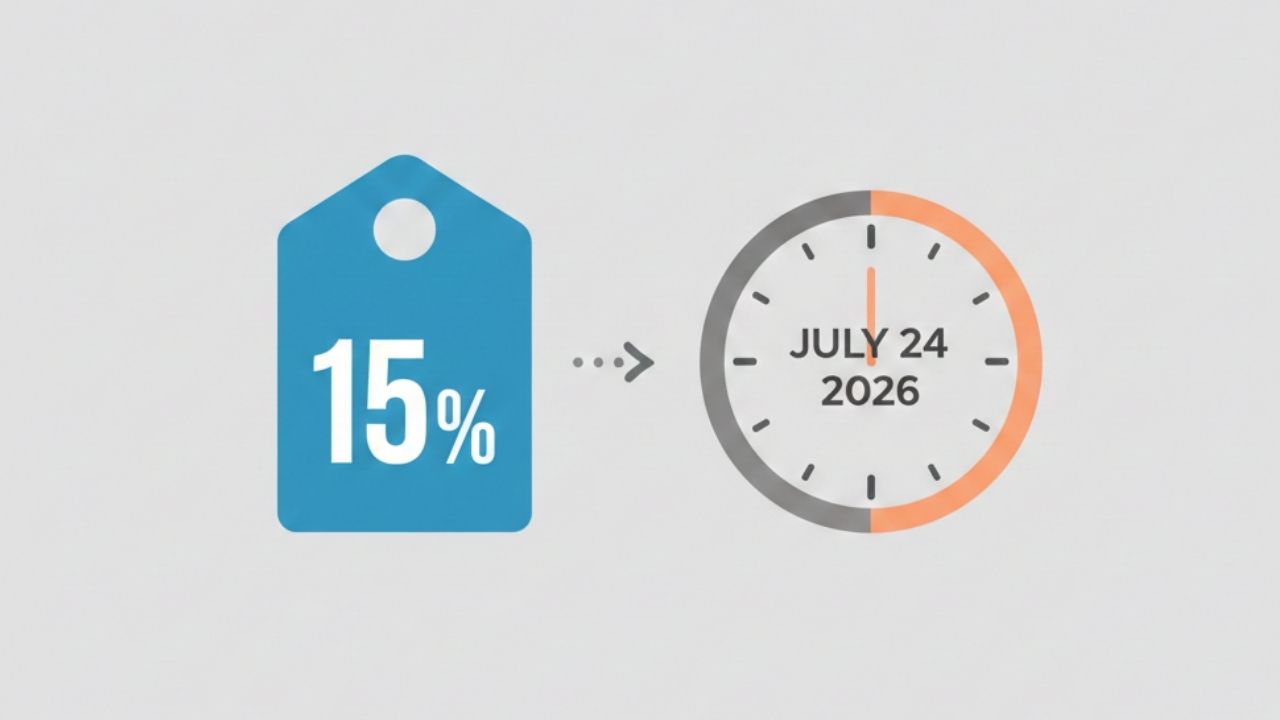
The 150-day cap is the most strategically important detail here. Unless Congress acts to extend it, the 15% surcharge expires on July 24, 2026. That creates a real pricing question for sellers: raise prices now and risk losing customers if the duties disappear in July, or absorb the cost and hope the calendar works in your favor?

There’s no clean answer. But understanding the expiration date should be central to any decision you make about pricing or inventory in the next few months.
What’s Exempt from the 15% Surcharge?
Not everything gets hit. The following categories are carved out:
- USMCA-qualifying goods from Canada and Mexico (though de minimis filing is still required)
- Pharmaceuticals and medical components
- Critical minerals and strategic ores
- Select information materials and electronics
- Goods already subject to Section 232 duties (steel, aluminum, copper, certain autos)
That last point matters. The Section 122 surcharge does not stack on top of Section 232 duties. For products where Section 232 only applies to a portion of the value (like aluminum-intensive electronics), the 15% surcharge applies only to the non-subject portion.
Section 301 duties targeting China, however, can stack. A Chinese-made textile with a 12% base duty, 25% Section 301 duty, and now a 15% Section 122 surcharge can push the total effective rate above 50%.
The End of De Minimis: No More $800 Free Pass
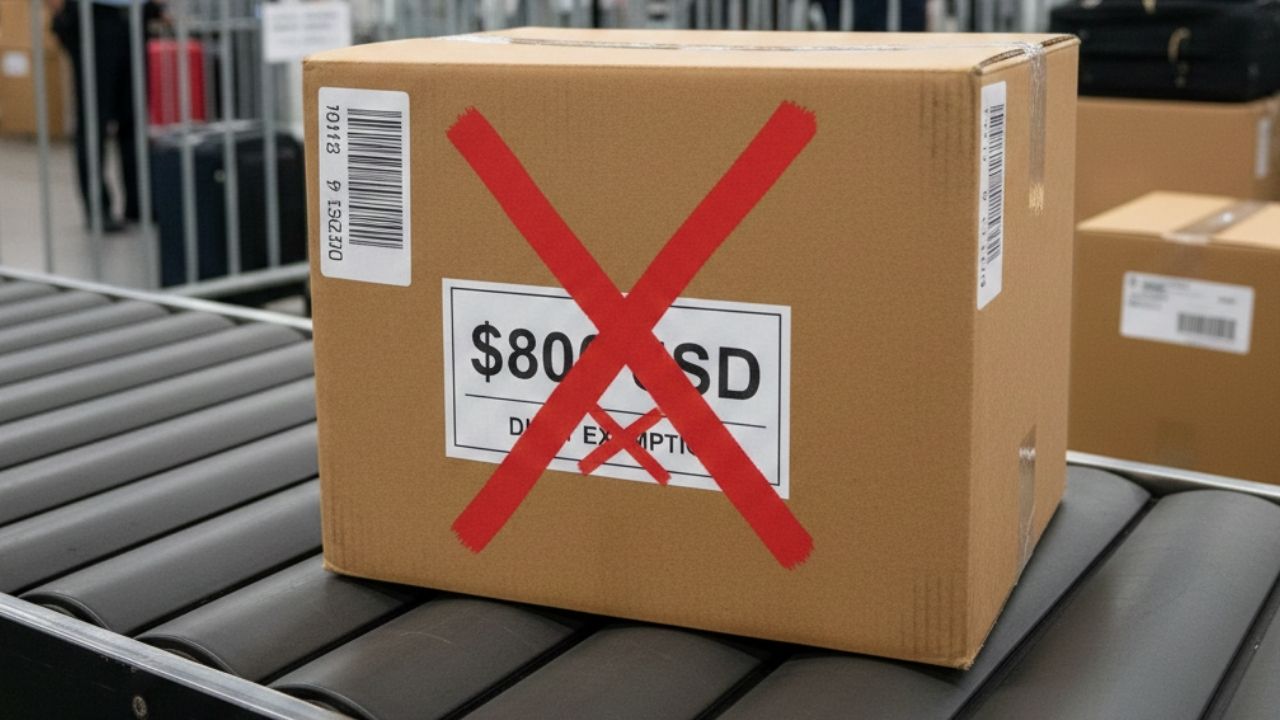
The de minimis exemption let shipments valued under $800 enter the U.S. without duties or formal customs processing. It was the engine behind low-cost DTC shipping from overseas suppliers, the economic backbone of countless dropshipping businesses, and a massive advantage for platforms like Temu and Shein.
It’s over.
The suspension was originally implemented in August 2025 and was reaffirmed in the February 20, 2026 executive order. It now applies to all commercial imports, regardless of value or country of origin, with no defined end date.
A $15 item shipped from a supplier in China no longer gets waved through. It needs a full customs entry, HTS classification, and duty payment. The fixed costs of clearing that shipment (brokerage fees, bond premiums, filing fees) can easily exceed the value of the product itself.
For dropshipping models built on sub-$50 goods shipped directly from overseas, the math often doesn’t work anymore.
The model that does work: import your inventory in bulk to a U.S.-based 3PL like eFulfillment Service, clear customs once on the full shipment, and fulfill domestically from there. You pay duties once on the bulk import instead of navigating per-parcel entry costs on every single order.
Is Your Business Ready for Professional Order Fulfillment Services?
Take our 3-minute assessment to discover if partnering with a fulfillment service could help scale your business.
Storage Solutions
Optimize your inventory management
Scale Operations
Support your business growth
Save Time
Focus on core business activities
Improve Accuracy
Enhance customer satisfaction
Takes 3 minutes • Get instant results • Free analysis
Business Metrics
Assessment Questions (1-4)
Assessment Questions (5-8)
Assessment Results
Customs Entry Types After De Minimis: Type 11, Type 01, and Why Type 86 Is Gone
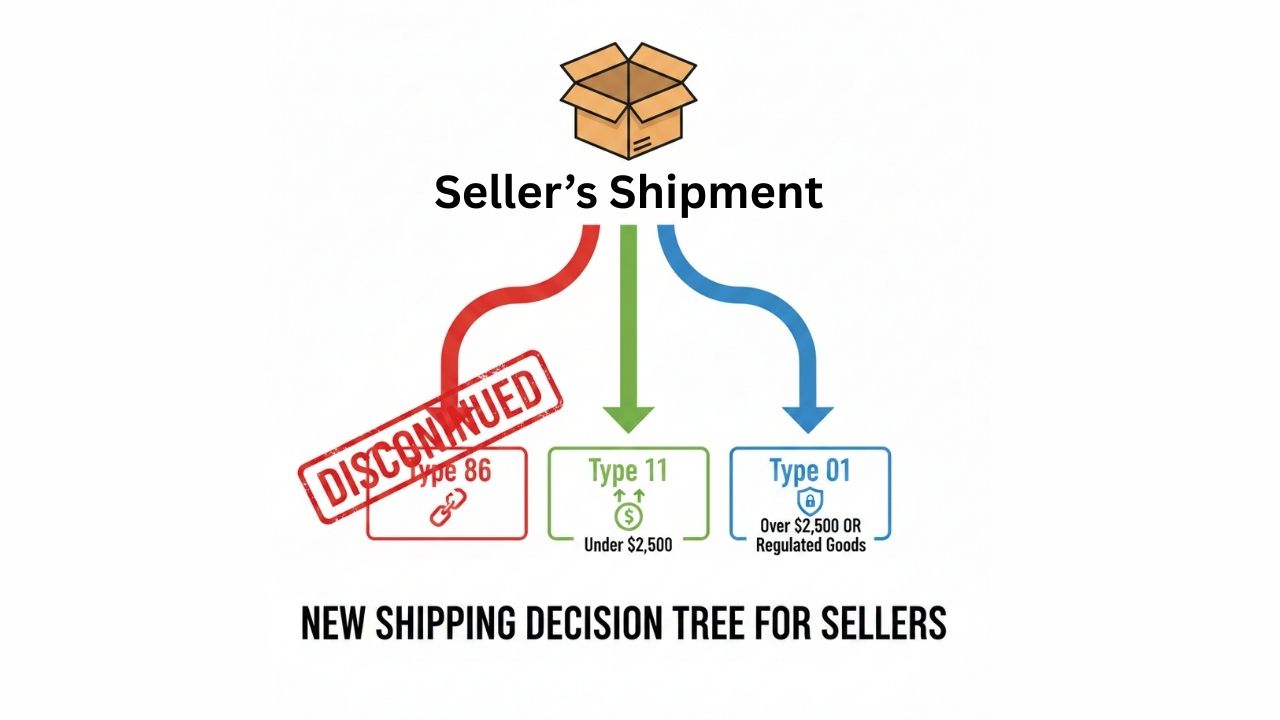
The end of de minimis also ends the easy path through customs. Every shipment now needs a formal entry type, and the right one depends on shipment value and product category.
Entry Type 86 (Abandoned) The automated Entry Type 86, widely used for low-value ecommerce, is no longer available for shipments subject to the new Section 122 surcharge. It’s gone.
Informal Entry (Type 11) For shipments under $2,500. This is the primary path for most ecommerce parcels now. It’s less paperwork than a formal entry, but it still requires:
- Accurate 10-digit HTS classification
- Proper valuation documentation
Formal Entry (Type 01) Required for shipments over $2,500 or products under specific regulatory oversight (FDA-regulated cosmetics, EPA-regulated electronics, etc.). Formal entries require a continuous or single-transaction customs bond.
Licensed customs brokers are now processing millions of small parcels that previously bypassed customs entirely. Per-unit costs, when you add brokerage fees, bond premiums, and the 15% duty, can be double what sellers were paying before.
One way to sidestep that per-parcel cost problem is to shift to a domestic fulfillment model. Working with a U.S.-based 3PL like eFulfillment Service means your goods clear customs at the bulk shipment level, and every customer order ships domestically from there, with no individual parcel entry required.
Fulfillment with a Personal Touch.
See How Using a 3PL like eFulfillment Service sellers saves time. Get a Free Quote from eFulfillment Service Today!
How International Postal Shipments Are Taxed Under the New 2026 Import Rules
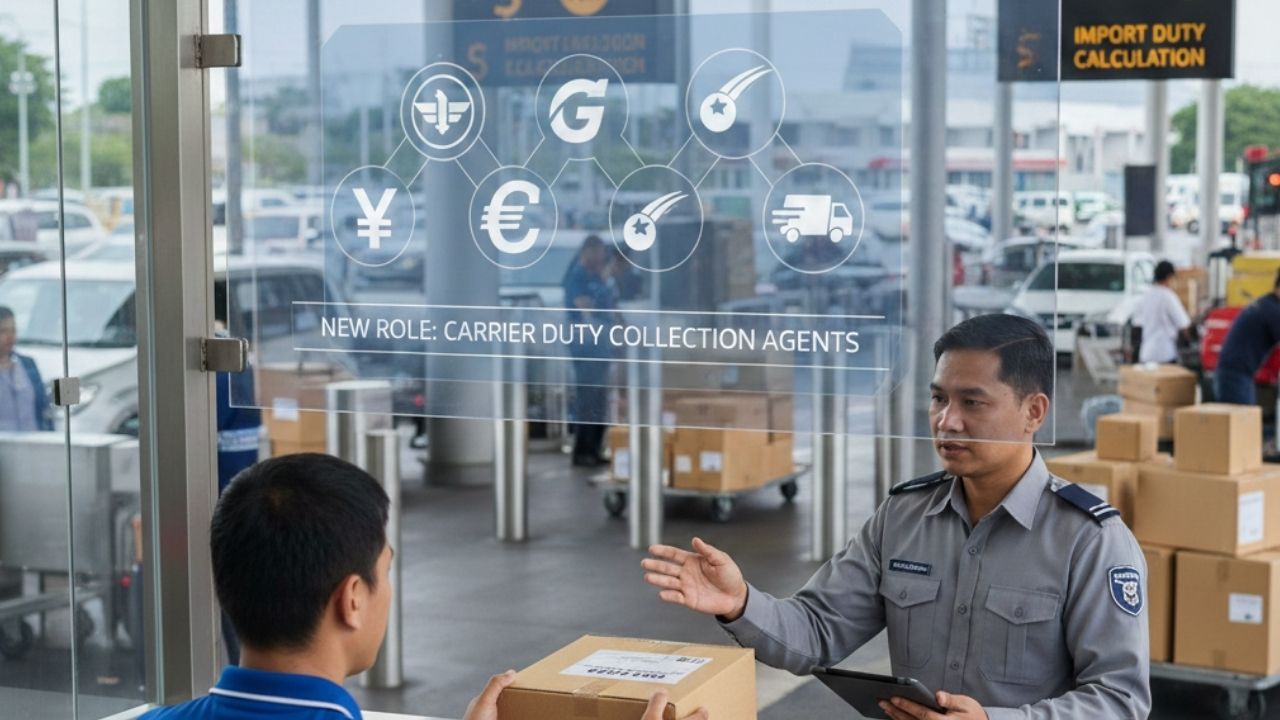
Shipments moving through the international postal network used to get treated differently. Not anymore.
Under the new executive order, postal shipments face the same 15% Section 122 surcharge rate as everything else. To handle the volume, CBP created a “Qualified Party” process: transportation carriers and approved third parties are now authorized to collect and remit duties directly to the government.
In practice, this turns DHL, FedEx, UPS, and other international couriers into tax collection agents. Expect those carriers to pass the administrative burden back to you through added surcharges on international shipments. This system is described as temporary, a bridge until CBP establishes a permanent postal entry process, but there’s no defined timeline for that.
New HTS Codes and CBP Technical Requirements
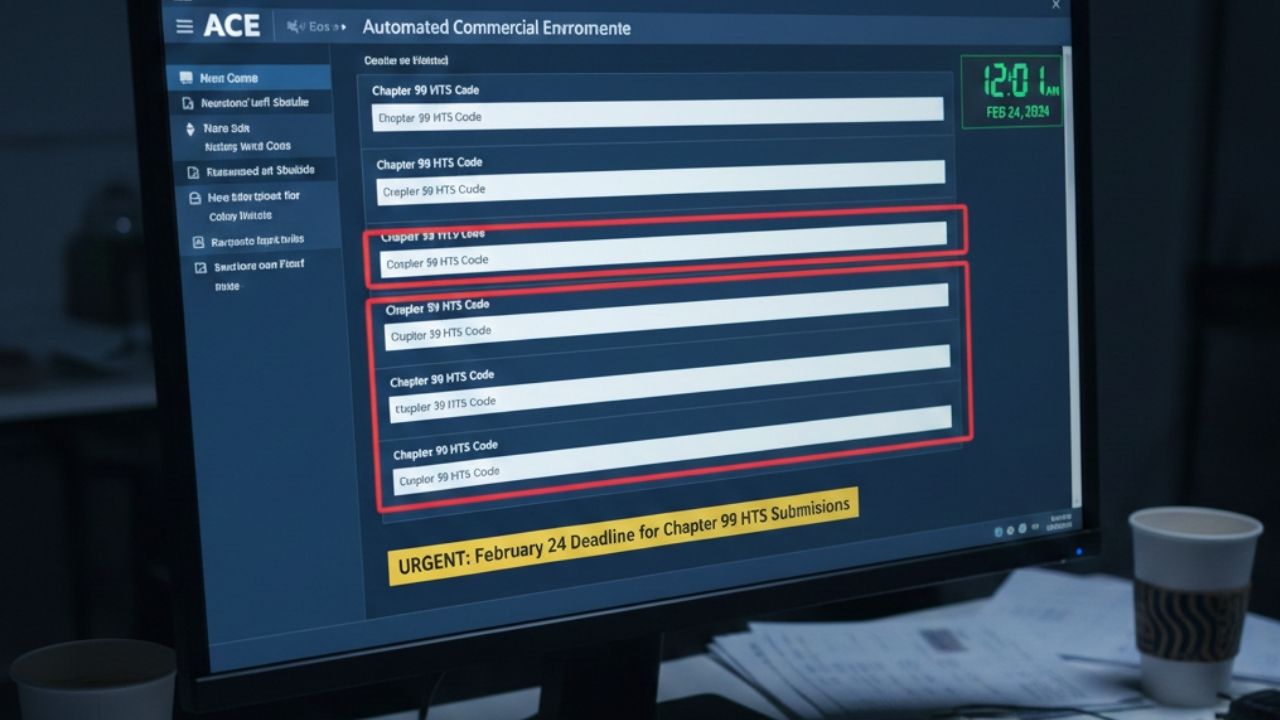
As of February 23, 2026, CBP began deactivating all IEEPA-related tariff codes in the Automated Commercial Environment (ACE). Starting at 12:01 a.m. on February 24, every entry must use the new Section 122 subheadings under HTSUS Chapter 99 or risk automated rejection.
Here are the new codes you need:
|
HTS Subheading |
Application |
Rate |
|
9903.03.01 |
General Section 122 Import Surcharge |
15% |
|
9903.03.02 |
Critical Minerals and Strategic Ores |
0% |
|
9903.03.05 |
Pharmaceuticals and Medical Components |
0% |
|
9903.03.08 |
USMCA-Qualifying Goods (Canada/Mexico) |
0% |
|
9903.03.11 |
Select Information Materials and Electronics |
0% |
If your products fall under an exempt category, you must verify your 10-digit HTS code against the Annexes in the February 20, 2026 proclamation and enter the correct Chapter 99 exemption code on your customs entry.
The “In Transit” Exception: A Tight Window
Goods already on the water have a narrow reprieve. The 15% surcharge is waived only if:
- Goods were loaded onto the vessel or aircraft before 12:01 a.m. on February 24
- AND the goods are entered for consumption before 12:01 a.m. on February 28, 2026
That’s a four-day window. If your shipment arrives after February 28, the 15% applies regardless of when it was loaded. Expedite those customs filings now.
How to Calculate Your True Landed Cost in 2026

The 15% surcharge compounds existing costs. Here’s the full formula your unit economics need to account for:
Landed Cost = Customs Value × (1 + Base HTS Duty Rate + 15% Section 122 + Section 301 Duty) + Brokerage Fee + Bond Cost + Merchandise Processing Fee + Harbor Maintenance Fee
Where:
- Customs Value = product cost + freight + insurance
- Base HTS Duty Rate = your product’s standard rate
- Section 301 Duty = applies primarily to Chinese goods
- Brokerage Fee = now mandatory for former de minimis shipments
- Bond Cost = pro-rated customs bond premium
- Merchandise Processing Fee (MPF) = 0.3464% of value (subject to minimums)
- Harbor Maintenance Fee (HMF) = 0.125% for ocean freight
For a $15 product, the fixed costs of brokerage and bond alone can exceed the product value. Low-cost direct-from-supplier models that relied on de minimis to stay viable are now functionally broken at the unit level.
A Real-World Example: Chinese Textile Seller
|
Cost Component |
Rate / Amount |
|
Product + Freight + Insurance (Customs Value) |
$50.00 |
|
Base HTS Duty (textiles) |
12% = $6.00 |
|
Section 301 Duty |
25% = $12.50 |
|
Section 122 Surcharge |
15% = $7.50 |
|
Brokerage Fee |
$8.00 |
|
MPF |
$0.17 |
|
Total Landed Cost |
$84.17 |
|
Effective Duty Rate |
52%+ |
That’s before you add shipping to the customer, returns, and platform fees.
How Amazon and Shopify Are Responding
Amazon: Squeezing Suppliers and Tightening Policies
Amazon CEO Andy Jassy has acknowledged publicly that tariff costs are creeping into prices. The inventory pre-buying surge that sellers executed in early 2025 to get ahead of tariffs has run its course, and sellers are now facing the full cost exposure.
Amazon’s moves so far:
- Demanding 20-30% supplier discounts to offset the 15% tariff burden on its direct sourcing relationships
- Prepaid Return Label mandate (effective February 8, 2026): All U.S. sellers must now use Amazon’s Prepaid Return Label program. This matters because duties on imported items are non-refundable even when the item is returned. “Free returns” on international goods just became a real financial exposure.
- If you’re importing goods that carry a meaningful duty, a U.S.-based 3PL like eFulfillment Service can handle returns processing domestically, which at least removes the double-duty exposure from your returns equation.
- Tightened On-Time Delivery Rate (OTDR) enforcement: Sellers trying to save money by using slower international shipping methods to offset tariff costs will find themselves penalized on their metrics.
Shopify: AI as a Compliance Tool
Shopify’s 2026 winter release focused heavily on “Agentic Commerce,” a suite of over 150 updates using AI agents to automate HTS classification and show accurate landed costs at checkout. For smaller merchants without a trade compliance team.
The fact that a major ecommerce platform is building AI-driven customs compliance into its core product tells you how seriously the industry is taking this shift.
FedEx and UPS Rate Hikes: The Hidden Cost Stack
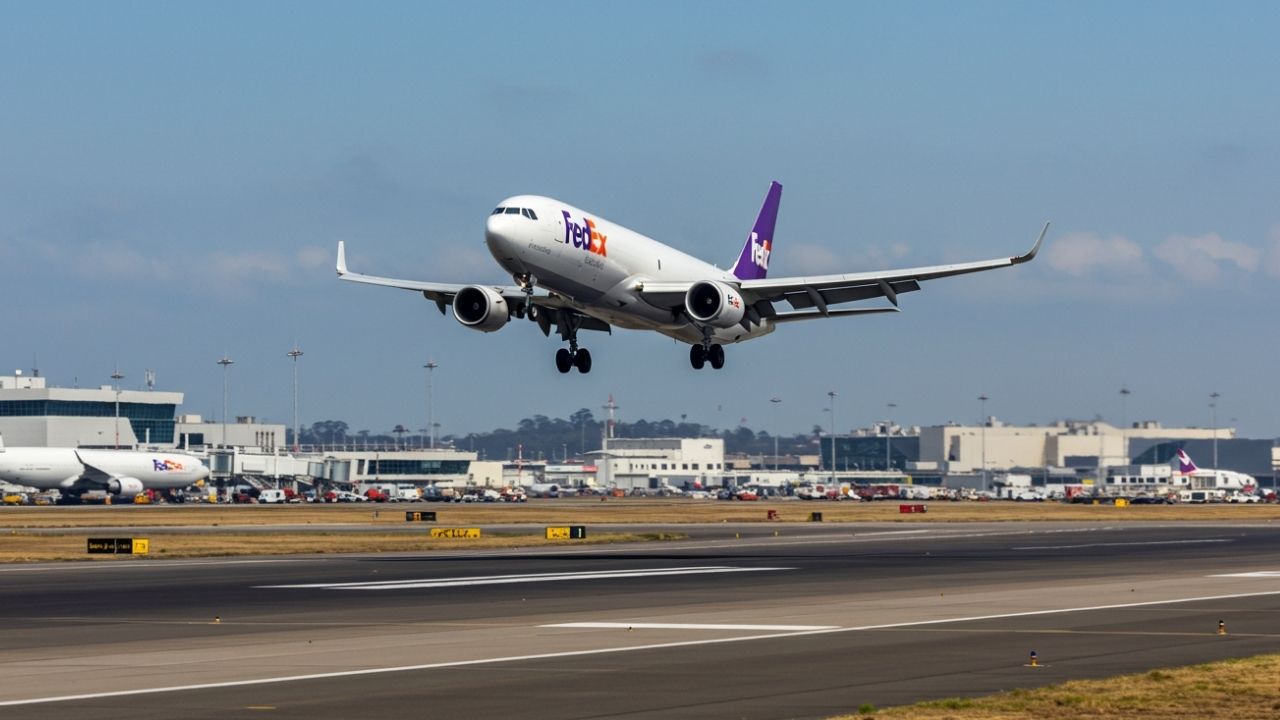
The tariff situation is landing on top of carrier rate increases that were already painful. Both FedEx and UPS announced a 5.9% General Rate Increase (GRI) for 2026. Independent audits suggest the real impact for ecommerce brands will land between 8% and 12% when you account for surcharge expansion.
Here’s what the surcharge increases actually look like:
|
Surcharge Type |
2025 Rate |
2026 Rate |
Increase |
|
FedEx Home Delivery Residential |
$5.95 |
$6.45 |
+8.4% |
|
UPS Ground Residential |
$6.10 |
$6.50 |
+6.6% |
|
Additional Handling (Dimension) |
$28.00 |
$29.50 |
+5.4% |
|
Remote Area Surcharge (U.S. 48) |
$15.35 |
$16.50 |
+7.5% |
|
Minimum Charge (Ground) |
$11.32 |
$11.99 |
+5.9% |
One change that’s flying under the radar: both carriers added a cubic volume criterion to the Additional Handling surcharge. Any package exceeding 10,368 cubic inches now triggers the surcharge regardless of weight or length. If you sell pillows, small appliances, boxed apparel, or anything lightweight-but-bulky, check your package dimensions now.
U.S. Based Order Fulfillment
See How Using a 3PL like eFulfillment Service sellers saves time. Get a Free Quote from eFulfillment Service Today!
FTZs and Bonded Warehouses: Your Duty Deferral Options
Two established customs tools are getting a lot more attention right now: Foreign Trade Zones and bonded warehouses. They work differently and serve different strategies.
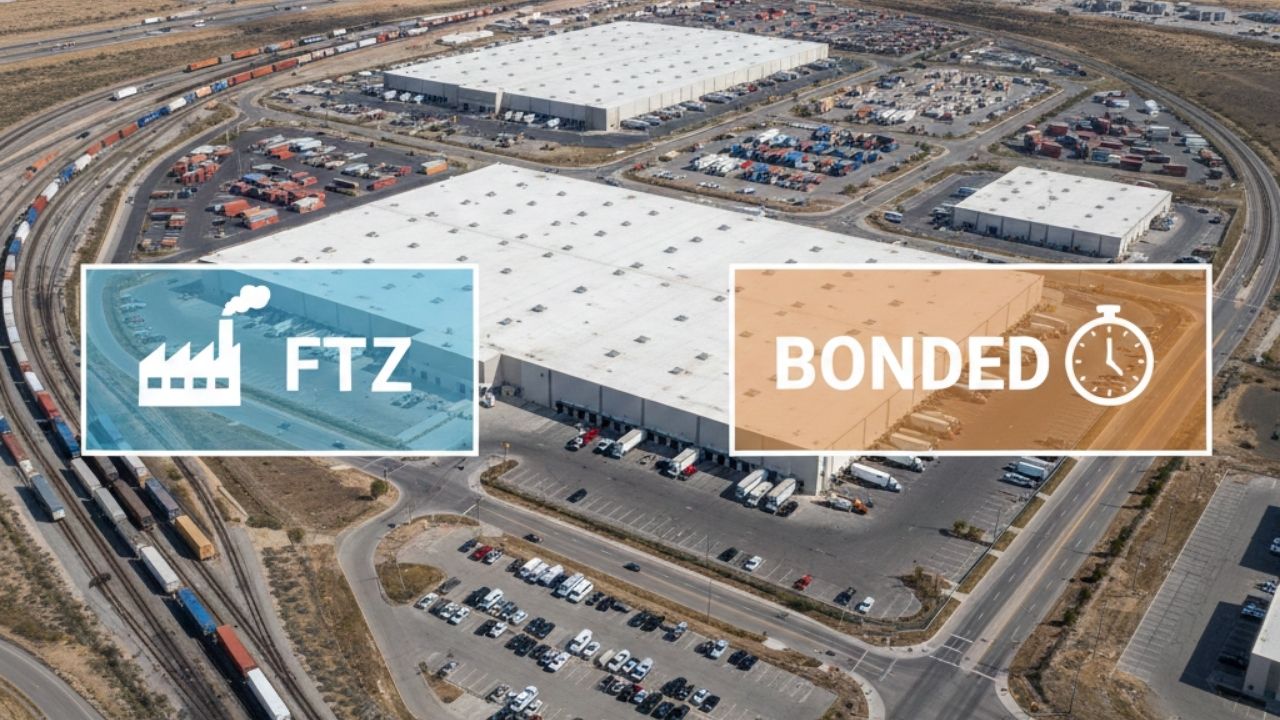
Bonded Warehouses: Best If You Think Duties Will Drop
Goods stored in a bonded warehouse are assessed duties at the rate in effect at the time of withdrawal, not at the time of import. If the Section 122 surcharge expires on July 24, 2026 as scheduled, goods withdrawn from a bonded warehouse in August would pay 0% Section 122 duty.
This is the play for sellers who believe the July expiration will stick and duties will fall. It’s a bet on the legislative calendar.
Foreign Trade Zones: Best for High-Volume Sellers
FTZs offer more flexibility:
- Inverted tariff benefits: Import raw materials or components into a zone and manufacture finished goods that may carry a lower duty rate than the inputs themselves.
- Weekly entry consolidation: Instead of filing a customs entry for every individual parcel, FTZ operators can file a single weekly entry covering thousands of shipments. That saves significant money in Merchandise Processing Fees (MPF) annually. For high-volume sellers, this alone can justify the FTZ setup cost.
- Indefinite storage without a duty clock ticking.
|
Feature |
Bonded Warehouse |
Foreign Trade Zone |
|
Best for |
Sellers expecting duty reductions |
High-volume, complex operations |
|
Duty timing |
At withdrawal |
At entry to U.S. commerce |
|
Inverted tariff option |
No |
Yes |
|
Weekly entry consolidation |
No |
Yes |
|
Manufacturing allowed |
No |
Yes |
Duty Drawback: Getting Money Back on Re-Exports

If you’re selling internationally, meaning you’re importing goods into the U.S. and then shipping some to customers in Canada, the UK, or elsewhere, you can recover up to 99% of the duties paid on those re-exported goods through the Duty Drawback program.
With a 15% surcharge now layered on top of existing duties, this program carries significantly more financial value than it did a year ago. For omnichannel brands with meaningful international sales, a formal drawback program isn’t optional anymore. The cash flow impact is too large to leave on the table.
Talk to a licensed customs broker about setting up a proper drawback claim process if you don’t already have one.
Recovering IEEPA Duties: The $175 Billion Refund Window
The Supreme Court ruling created something unexpected: a potential refund pool of $175-180 billion in duties paid under the now-illegal IEEPA orders. If your business paid IEEPA-based tariffs, you may have money coming back.
The catch: refunds aren’t automatic. You have to file for them.
How to File for a Refund
- Administrative Protests (Form 19) You have 180 days from the liquidation date of each entry to file a protest challenging the duty collected. This is your primary mechanism for entries that have already been liquidated.
- Post-Summary Corrections (PSC) For entries that have been filed but not yet liquidated (typically within 314 days of entry), file a PSC to remove the IEEPA tariff codes and request a refund of the overpayment.
- ACE Portal Configuration All refunds now go through the Automated Clearing House (ACH) electronically. Make sure your ACE account is set up to receive electronic payments from CBP, or you’ll miss the refund even if your protest is approved.
Important: Only IEEPA-based duties are refundable under the Learning Resources ruling. Section 232 and Section 301 duties are not affected by the court’s decision. Don’t confuse them when filing.
What Happens When Section 122 Expires on July 24, 2026
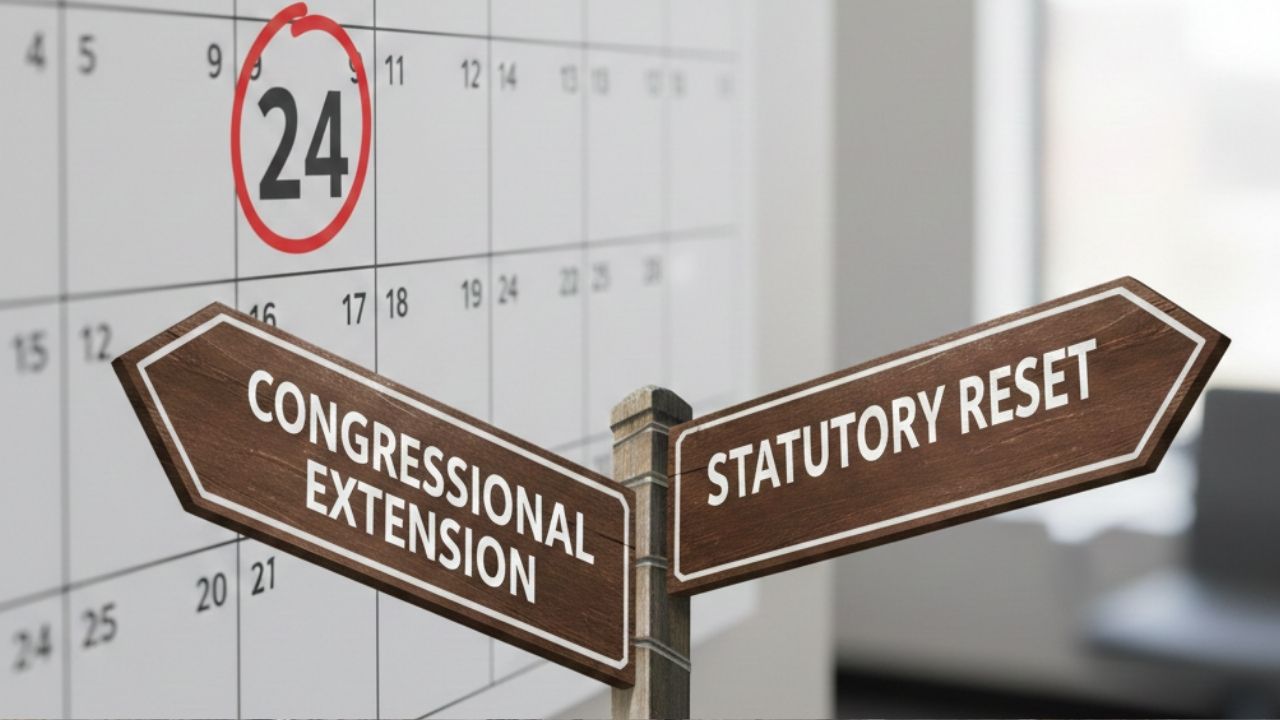
The 150-day clock started February 24. That puts the expiration at July 24, 2026. What happens then is genuinely uncertain, and there are two realistic scenarios worth planning for.
Scenario 1: Congressional Extension Congress votes to extend the 15% surcharge, likely as part of a broader trade package that might include domestic manufacturing incentives. If this happens, the 15% becomes the new normal indefinitely.
Scenario 2: The Statutory Reset The administration declares a “new” balance-of-payments emergency and restarts the 150-day clock. This effectively creates a permanent tariff instrument without requiring a Congressional vote, just repeated 150-day intervals.
A third possibility: the surcharge genuinely sunsets and duties fall back to MFN rates. That outcome would benefit sellers who held goods in bonded warehouses. But it’s the least certain of the three.
Build your strategy around scenarios 1 and 2 being more likely. Use the next five months to restructure your supply chain, not to wait and hope.
FAQs: Quick Answers for Ecommerce Sellers
Do the new duties apply to shipments from Canada and Mexico?
Not if the goods qualify under USMCA. Canadian and Mexican goods meeting USMCA rules of origin still come in at 0% for the Section 122 surcharge. But you still have to file customs entries and provide HTS classifications, even for low-value shipments. The de minimis exemption is gone for everyone.
How do I know if my product is exempt?
Check your product's 10-digit HTS code against the Annexes in the February 20, 2026 proclamation. Exempted categories include pharmaceuticals, critical minerals, energy products, and certain high-tech electronics. If your code is listed, enter the corresponding Chapter 99 code (e.g., 9903.03.05) on your customs entry.
Can I get refunded if Section 122 is later ruled illegal?
It's possible but unlikely. Section 122 was specifically designed for tariff authority and sits on much firmer constitutional ground than IEEPA. The refund potential here is significantly lower than what existed with the IEEPA duties.
My products are on the water right now. Will they get hit with the 15%?
Only if they were loaded onto the final vessel or aircraft before 12:01 a.m. on February 24 AND are entered for consumption before 12:01 a.m. on February 28. After that window closes, the 15% applies regardless of when goods were shipped.
What happened to Entry Type 86?
It's been deactivated for shipments subject to the Section 122 surcharge. You're now working with Informal Entry (Type 11) for shipments under $2,500 or Formal Entry (Type 01) for higher-value or regulated goods.
Should I raise my prices now?
That depends on your confidence in the July 24 expiration. If you think Congress will extend the surcharge, raise prices and lock in the higher cost basis. If you think the surcharge sunsets, you have more room to absorb the cost temporarily. Given that the administration has already shown willingness to restart tariff authorities through new legal frameworks, leaning toward extension as the base case is the more conservative strategy.
Cargo vs. Shipment Summary + Next Step for Sellers
The U.S. import system just changed faster than most businesses can adapt. The IEEPA regime is gone, replaced by a 15% Section 122 surcharge that hits nearly every import category. De minimis is dead. And the CBP systems supporting informal clearance are being completely rebuilt around the new legal framework.
The sellers who come out ahead in this environment are the ones who get their HTS classifications right, understand which duty stacking rules apply to their specific products, and start using tools like bonded warehouses, FTZs, and drawback programs now rather than treating them as options for later.
If you haven’t already, get a licensed customs broker on the phone this week. Review every SKU you import against the new Chapter 99 codes. Check whether any of your products qualify for exemptions. And if you paid IEEPA duties in 2025, start that protest process before the 180-day clock runs out on your earliest entries.
If your current model relies on direct international shipping to customers, now is the time to look seriously at a U.S.-based 3PL like eFulfillment Service. Bulk importing, domestic warehousing, and fulfilling from U.S. soil won’t make the 15% go away, but it cuts your per-order compliance costs significantly and gets your returns out of the duty exposure problem entirely.


0 Comments