The cart-to-confirmation is only half the story. What happens after someone buys from you is where trust is either earned or eroded. When the unboxing lives up to the promise, when tracking is clear, when returns are easy, people come back. When it’s a mess, they don’t.
A great post-purchase experience makes repeat business feel obvious. Fast, reliable delivery. Helpful customer service. Easy returns and exchanges. Thoughtful follow-ups. Loyalty programs that actually reward loyalty. Nail those, and you don’t just win orders…You win relationships!
This page tackles what you need to know about the post-purchase experience. Read on to learn how this experience can either make your e-commerce brand win or lose.
Understanding the Post-purchase Experience
The post-purchase experience covers everything that happens from the moment someone clicks “buy” to the moment they’re satisfied with what they got. And every touchpoint after:
- Confirmation and tracking
- Delivery speed and accuracy
- Product setup or care
- Support when something goes sideways
- Returns or exchanges.
This matters beyond feel-good metrics. The proof is in the numbers:
- Salesforce research finds that a strong experience is as important as the product itself for most shoppers. And that expectation carries through every stage after the sale, including delivery and support.
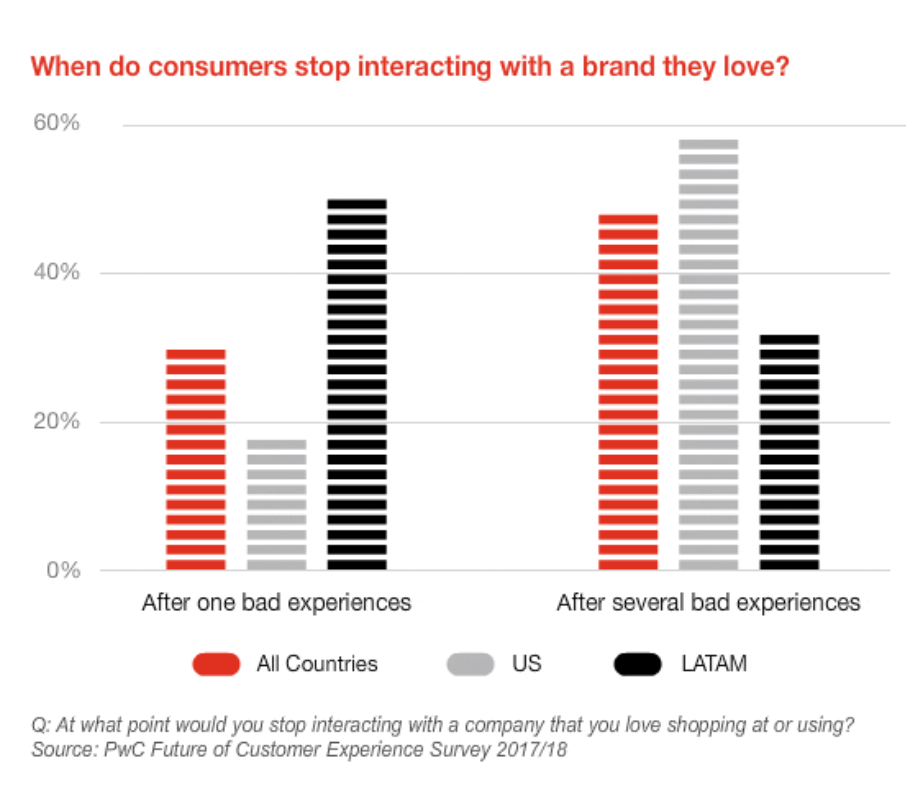
PwC reports that 32% of customers will walk away from a brand they love after a single bad experience. Even if everything before checkout went fine.
- And when you keep customers, the math gets friendly fast. Improving retention by just 5% can lift profits by 25% to 95%.
1. Delivery: The first step to customer satisfaction
Shipping is the first “real world” moment your brand has to deliver on a promise.
Gavin Yi, CEO & Founder of Yijin Solution, works closely with suppliers and manufacturers where timing, accuracy, and condition of delivery directly impact operations. For him, delivery isn’t just a logistics step, as it shapes the entire customer experience.
Yi explains, “In manufacturing and supply chains, delivery is critical. When parts arrive on time and in the right condition, everything downstream runs smoothly. It’s the same in e-commerce, where reliable delivery builds trust from the very first order.”
He adds, “That early experience sets expectations. Fast delivery with clear tracking gives customers confidence in your brand. It increases the chances they’ll come back.
Speed matters, but reliability and communication matter just as much. For some products, same-day or next-day options really do sway decisions.
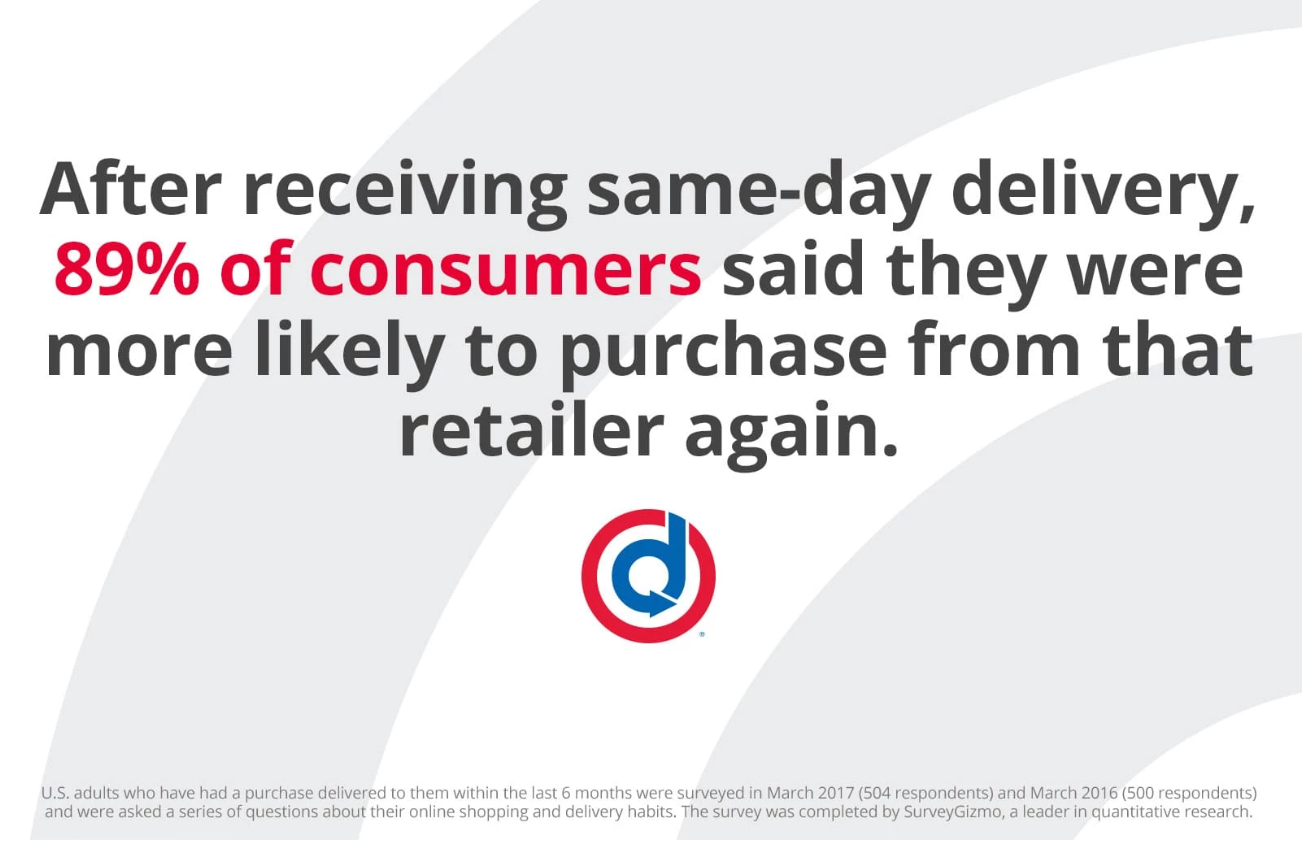
Consumer surveys show that same-day expectations are rising, especially among younger shoppers accustomed to instant everything. In fact, nearly 90% of customers are more likely to buy from the same retailer after receiving same-day delivery.
That doesn’t mean you need a warehouse on every corner. You need to be clear about delivery times and stick to them. You have to give customers honest, proactive updates.
Practical moves that work:
- Showing accurate delivery estimates
- Providing real-time tracking
- Positioning inventory closer to your customers
- Setting cut-off times you can hit and communicate
- Packaging for the entire journey (not just the shelf)
Amazon built the category norm around fast shipping and transparent tracking, but mid-market brands can still shine. Target’s Shipt option sets a smart standard for same-day delivery on select items.
Is Your Business Ready for Professional Order Fulfillment Services?
Take our 3-minute assessment to discover if partnering with a fulfillment service could help scale your business.
Storage Solutions
Optimize your inventory management
Scale Operations
Support your business growth
Save Time
Focus on core business activities
Improve Accuracy
Enhance customer satisfaction
Takes 3 minutes • Get instant results • Free analysis
Business Metrics
Assessment Questions (1-4)
Assessment Questions (5-8)
Assessment Results
2. Customer service: Building trust and loyalty
Even perfect operations can’t prevent every hiccup. How you handle the moment of need separates forgettable from fantastic.
Eric Yohay, CEO and Founder of Outbound Consulting, advocates for proactive post-purchase communication. He believes that anticipating customer needs transforms potential frustrations into opportunities for connection.
Yohay explains, “The best customer service happens before customers need to reach out. Send shipping updates and care instructions…even personalized recommendations automatically. When you demonstrate that you’re thinking about their experience after the sale, customers feel valued and are more likely to return.”
Common post-purchase issues aren’t a surprise:
- Where-is-my-order questions
- Fit or sizing struggles
- Missing or damaged items
- Exchanges
- Warranty claims
A tight playbook reduces friction. What to do:
- Give agents context. Order history, tracking, photos, and prior conversations should appear in one view.
- Empower first-contact resolution (FCR). Do this with clear policies and the authority to make it right.
- Keep tone human and helpful. A short apology goes further than a long script.
- Use chatbots for quick answers. However, hand off to humans seamlessly for complex issues.
- Maintain a living knowledge base. That way, customers can self-serve on their schedule.
- Track the reasons behind contacts. The goal is to fix the root cause (not just the ticket).
Modern help desks (Zendesk or Gorgias) and customer relationship management (CRM) can cut response times and raise satisfaction.
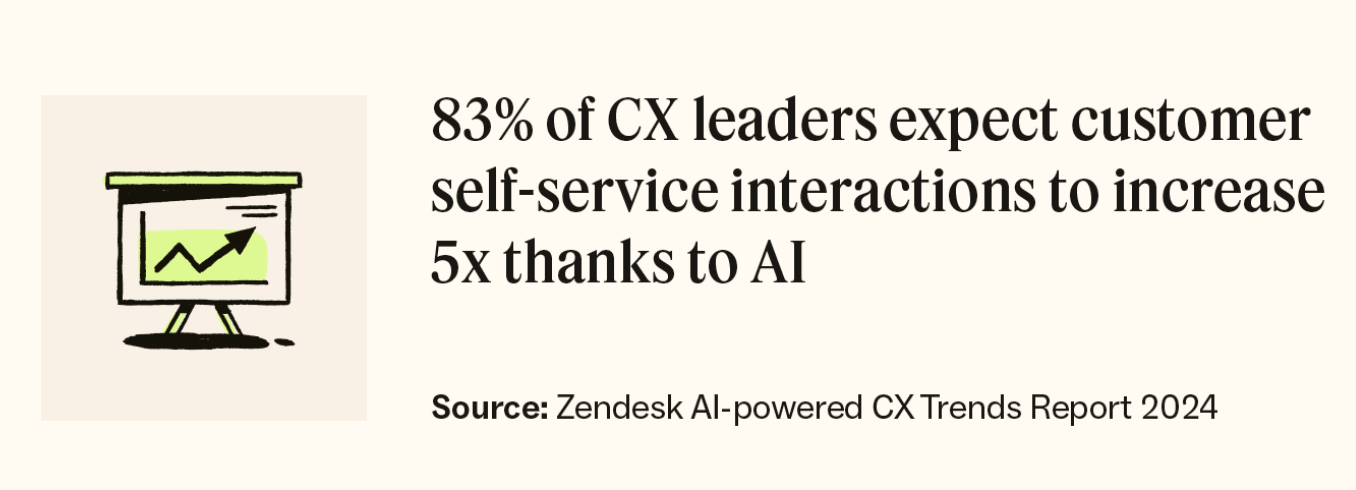
Most customers expect quick, simple resolutions. However, they are happy to self-serve if you give them the option. Over 80% of business leaders believe self-service interactions will increase five times due to artificial intelligence (AI).
3. Returns and exchanges: Turning a negative into a positive
Returns aren’t a failure. They’re part of the buying journey. Especially online, where you can’t try before you buy.
Kellon Ambrose, Managing Director at Central Oregon Heating, Cooling, Plumbing & Electrical, champions transparent return policies. Having worked closely with hundreds of suppliers for parts and components, he’s seen how easy returns drive purchasing confidence.
Fulfillment with a Personal Touch.
See How Using a 3PL like eFulfillment Service sellers saves time. Get a Free Quote from eFulfillment Service Today!
Ambrose shares, “Clear, generous return policies actually increase sales by removing purchase anxiety. When customers know they can easily return or exchange items, they’re more willing to try new products and sizes. The key is making the process simple and keeping customers informed at every step.”
The scale is real:
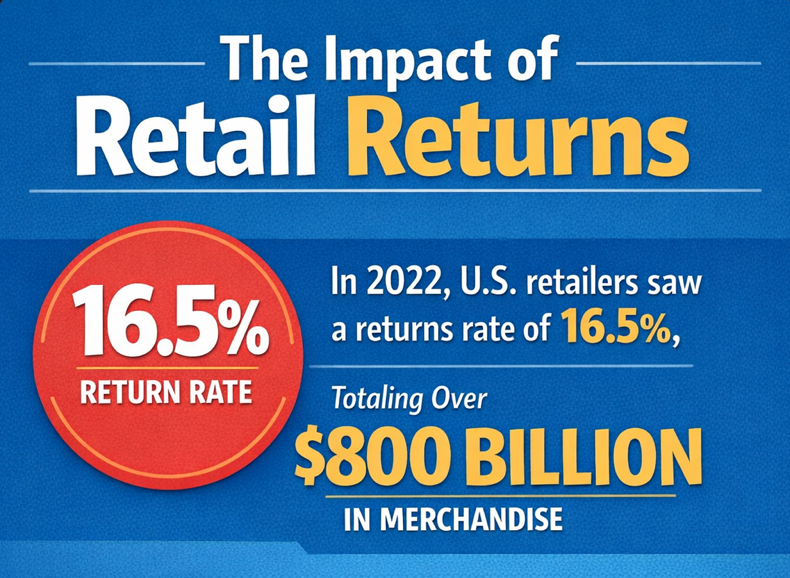
Image source: Generated by the author via ChatGPT
- US retailers saw a returns rate of roughly 16.5% in 2022, representing more than $800 billion in merchandise. Streamlined returns help shoppers feel safe trying your brand.
- Narvar has also reported that easy returns strongly influence whether customers buy again from the same retailer. Over 95% of customers will repurchase from a business with an “easy” or “very easy” return policy.
Tactics that reduce friction:
- A policy page that’s short, clear, free of surprises
- A self-serve portal for starting returns, printing labels, tracking the process
- Instant exchanges and store credit options to keep the relationship going
- Prepaid labels or convenient drop-off options, where possible
- Fast inspections and refunds so customers don’t feel stuck in limbo
Cases in point:
- Zappos’ famously generous 365-day return policy set the bar for many shoppers’ expectations.
- Amazon’s network of drop-off partners, including Kohl’s, makes in-person returns quick without printing a label.

Those conveniences reduce friction. They often lead to another purchase down the line.
How To Build a Customer Loyalty Program
A smart loyalty program multiplies the impact of everything above. It nudges customers back with rewards that feel fair and relevant.
McKinsey found that top-performing loyalty programs can boost revenue from members by 15 to 25% by driving higher frequency and basket size.
What works today:
- Points – easy to earn and redeem without a calculator
- Perks – relate to post-purchase joy (faster shipping, easy exchanges, extended return windows, etc.)
- Tiered benefits — unlock experiences (early access, limited drops, personal styling, etc.)
- Thoughtful referrals — reward both the advocate and the friend
- Tech integration – with post-purchase emails and tracking pages so rewards feel present
For example: A warehouse solutions brand offering a Vertical Lift Module could create a loyalty program. This initiative seeks to reward repeat orders and long-term partnerships.
As such, customers can earn points for purchases and service renewals. They can redeem this for perks, such as priority maintenance and faster shipping on parts. Ultimately, this keeps high-value clients engaged while reinforcing reliability and post-purchase support.
Remember: keep it simple to start. If people need a spreadsheet to understand how to get value, they’ll bail.
AND measure whether the program drives behavior you want. Think repeat purchases, higher AOV, better engagement, and other key metrics. That way, you can tweak the benefits over time!
Summary
If acquisition is the invitation, post-purchase is the party. That’s where you prove you’re worth coming back to.
A simple starting checklist:
- Map your post-purchase touchpoints from confirmation to repurchase.
- Tighten delivery promises and make tracking crystal clear.
- Train support to solve and give them the authority to do it.
- Publish a return policy you’d be happy to use yourself.
- Ask for feedback, act on it, tell customers what you changed.
- Layer in a loyalty program that rewards good habits.
Brands that treat the post-purchase phase like a core product edge out those that don’t. Start where your customers feel the most friction. Improve one link in the chain this month. Then, the next. Over time, you’ll build a post-purchase experience that keeps people coming back!
If you want to offer the best post-purchase experience for your click-and-order store, eFulfillment Service can help optimize various parts of your operations. To get started, request a free quote today!

About the Author
Brooke Webber is a passionate advocate for a people-first strategy in HR. Her major focus areas are workplace psychology and employee listening, where she has already accumulated five years of writing experience.
0 Comments