Transparency Disclosure: This guide was created by the team at eFulfillment Service (eFS). We are proud of our service and have ranked ourselves #1. All competitor information is sourced from publicly available data as of early 2026. We have no affiliate or paid relationships with any other provider listed.
Starting an online store is often the easy part. But once orders start stacking up, the question becomes: do you want to be a professional box packer, or a business owner? If you choose the latter, you need a fulfillment partner to handle the logistics.
This guide compares eFulfillment Service against 14 other well-known fulfillment providers for small businesses. We evaluated each based on publicly available information, pricing, minimums, warehouse count, and service focus, so you can make an informed decision.
| Provider | Pricing | Order / spend min. | Setup fee | Long-Term Contract | Best for |
|---|
* eFulfillment Service is the author of this guide. See disclosure above.
Why We Designed eFulfillment Service for Small Businesses
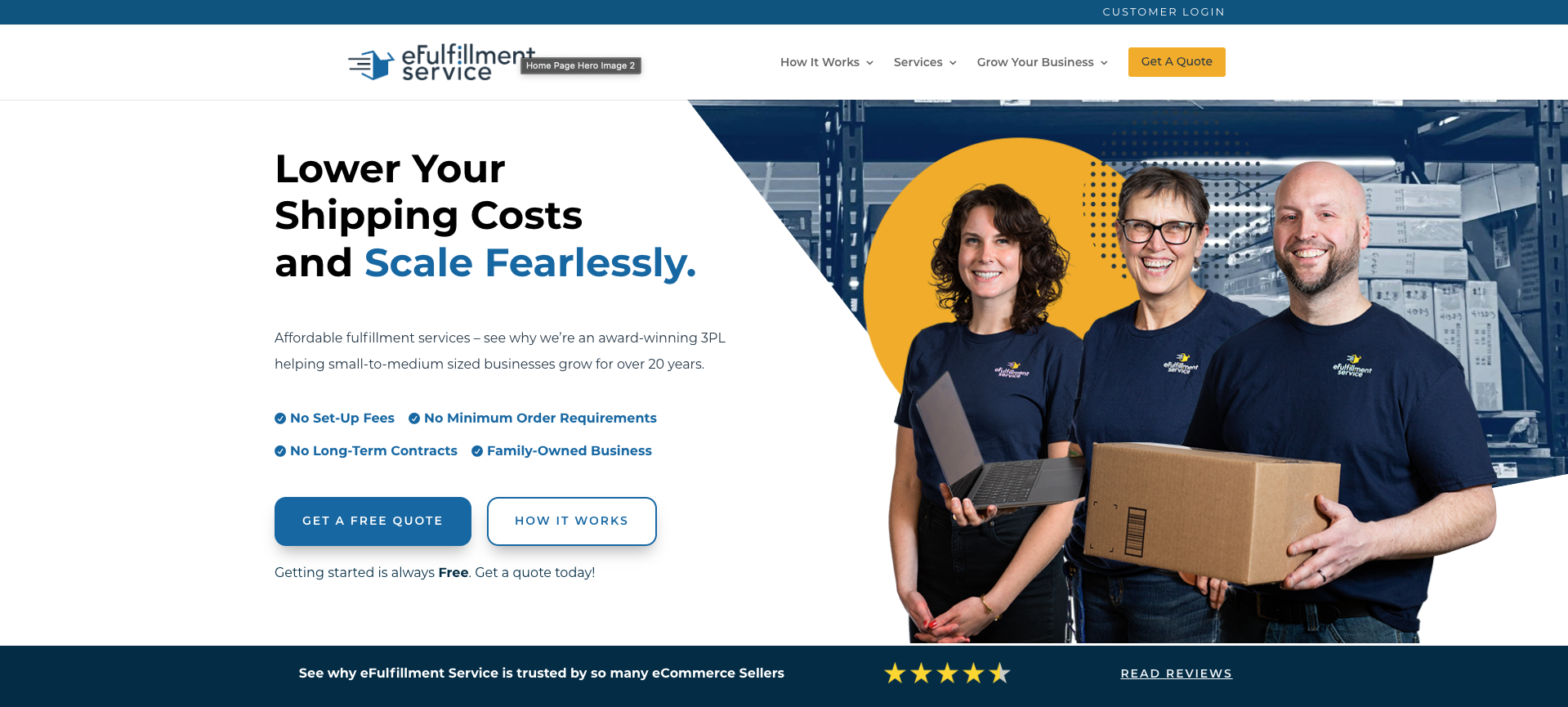
For a small business owner, long contracts and hidden fees are the enemy. That is why we designed eFulfillment Service specifically for small to mid-sized sellers rather than chasing enterprise volume.
Founded in 2001 by John Lindberg, eFS remains family-owned and operated today from Traverse City, Michigan. When you contact us, you reach a real team — not an overseas call center. We have built a reputation on transparency and ownership of mistakes, and we have been doing this for over 20 years.
A Legacy of Family Ownership
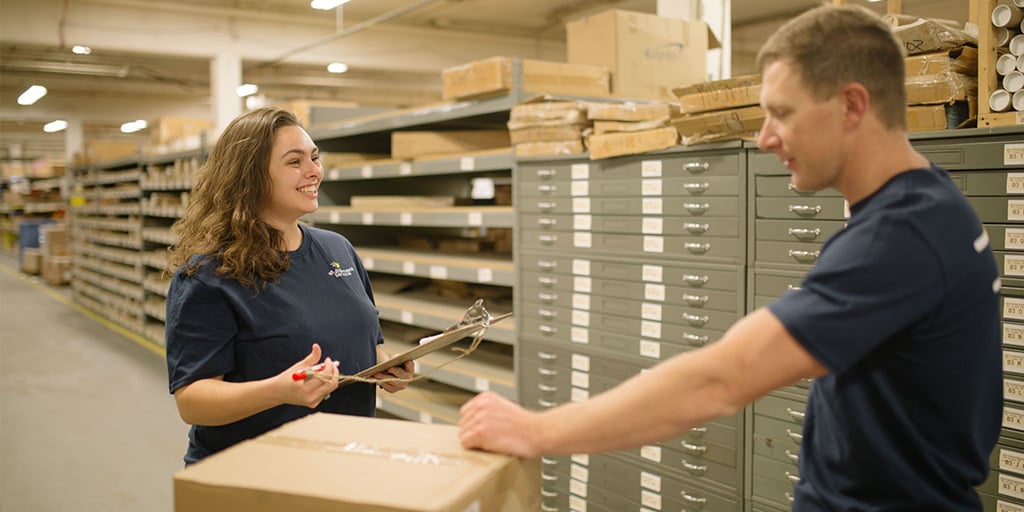
Founded by John Lindberg in 2001, EFS remains family-owned today. This impacts the service you receive. When you call them, you are not routed to a massive call center overseas. You speak to a team in Traverse City, Michigan.
The Human Factor: In logistics, mistakes happen, weather delays, bad labels, or damaged inventory. You want a partner who owns the mistake and fixes it immediately. EFS has built a reputation on integrity, meaning you get real help instead of an auto-reply from a ticketing system.
Technology and Integrations
Do not let their age fool you. Their technology is modern, reliable, and keeps you off the warehouse floor. Their web-based portal lets you check inventory in real-time while you work from anywhere.
Plug-and-Play Integrations:
- Shopify
- WooCommerce
- Amazon
- eBay
- BigCommerce
The connection is simple. A customer buys something on your site, the order pops up in the EFS system, and they handle the rest. You maintain the backend of your business without ever touching a box.
Red Stag Fulfillment
Best for Oversized & Heavy Items
Red Stag Fulfillment built their entire business around handling heavy, bulky, and high-value items that other warehouses turn away. If you sell mountain bikes, furniture, gym equipment, or high-value electronics, your options narrow fast — Red Stag is the specialist in this space.
They operate two warehouses totaling 1.2 million square feet — in Sweetwater, TN and Salt Lake City, UT — strategically positioned to reach 96% of the US population within two days via ground shipping. Their published minimum is approximately 200 orders per month. Unlike most 3PLs, they back their service with hard financial guarantees: a $50 credit per order error, zero shrinkage (they pay wholesale cost for lost/damaged items), and a free shipment plus $50 credit for any on-time fulfillment miss.
The Heavyweight Specialist
Most warehouses rely on lightweight conveyor belts that break under heavy loads. Red Stag uses reinforced racks and wider aisles designed for big boxes. This specialization matters because shipping heavy items is expensive.
Why They Win on Price with Large Items:
- Carrier Negotiation: They have negotiated specialized rates with FedEx and UPS specifically for heavy parcels.
- DIM Weight Protection: They help you avoid some of the massive “dimensional weight” fees that usually kill margins on large, light boxes.
Obsessive Accuracy
If you sell a $2,000 espresso machine, you cannot afford for it to go missing. Red Stag offers a “zero shrinkage” guarantee. If they lose your item, they pay for it. If they mis-ship an order, they pay you $50.
Strategic Reach: They operate two main hubs in Knoxville, TN, and Salt Lake City, UT. This placement allows them to reach 96% of Americans in two days via ground shipping, avoiding the high costs of coastal real estate.
Shipbob
Best for Geographic Reach
Founded in 2014, ShipBob is one of the largest tech-forward 3PLs in the market. They operate 60+ fulfillment centers across the US, Canada, UK, Europe, and Australia, with a Madrid facility planned for 2026. Their distributed inventory model allows brands to split stock across multiple warehouses to reduce shipping zones and offer 2-day delivery.
ShipBob requires a minimum monthly spend of $275 and typically targets brands shipping 400+ orders per month. There is also a setup fee starting at approximately $975. Published reviews note a 15–30% shipping rate markup and a 3% credit card surcharge on invoices, so it’s important to understand the full cost structure before committing. Their tech platform and analytics dashboard are consistently praised as best-in-class among 3PLs.
The Distributed Inventory Strategy
ShipBob’s main goal is speed. By splitting your inventory across multiple warehouses, you place products closer to your customers. This reduces the shipping zones a package must cross, lowering costs and delivery times.
Tech Highlights:
- Inventory Placement: Their software analyzes your sales data and tells you exactly which warehouse needs more stock.
- 2-Day Express: This network allows you to offer Amazon-style 2-day delivery on your own website.
Need a Fulfillment Company for your Small Business?
Get a free quote from eFulfillment Service today to see why they were built for small businesses!
ShipMonk
Founded in 2014, ShipMonk operates 12+ fulfillment centers across the US (Florida, California, Nevada, New Jersey), Canada, Mexico, UK, and Czech Republic. They are particularly well-known for subscription box fulfillment and crowdfunding campaign support, with purpose-built tooling for recurring and batch orders.
ShipMonk has a published monthly minimum of approximately $250. Pricing is tiered — higher volumes unlock lower per-order rates. They offer a Foreign Trade Zone duty deferral program which can reduce import costs for certain product categories. Their MonkProtect post-purchase suite lets customers add delivery protection and track claims.
Branding & Presentation
If the look of your package matters as much as the product inside, ShipMonk is a strong choice. They excel at following strict packing guidelines—perfect for subscription boxes or lifestyle brands.
Key Features:
- MonkProtect: A post-purchase suite that lets customers add delivery protection and track their claims easily.
- Custom Packing: They handle tissue paper, stickers, and inserts better than most automated warehouses.
The 4-in-1 Software
Their inventory portal is designed for non-logistics people. It groups order management, inventory, shipping, and warehouse data into one clean interface. While they do have minimum pick-and-pack fees, their transparency makes it easy to calculate your costs before you sign up.
Saltbox
Saltbox is not a traditional 3PL, it is a co-warehousing company. Founded in 2019 and headquartered in Atlanta, Saltbox operates 12 US locations in major metro areas including Atlanta, Dallas, Seattle, Denver, and Los Angeles. You rent a private warehouse suite or access shared space, and Saltbox provides the infrastructure (loading docks, carrier pickups, equipment) and optional pick-and-pack services.
Membership plans start at $99/month for virtual access and $199–$349/month for physical access. Pick-and-pack services start at $3/order. All memberships are month-to-month with no long-term commitments.
Want to Choose EFS as your Fulfillment Service for Small Business?
See why eFulfillment Service was built for Small to Medium eCommerce Businesses!
Fulfillrite

Founded in 2010 and based in Lakewood, NJ, Fulfillrite is a family-owned 3PL with a 40,000 sq ft warehouse that has developed a strong reputation for eCommerce and crowdfunding campaign fulfillment. Their Shopify app has a 5-star rating across 35+ reviews. Their proximity to the Port of Newark and major airports on the East Coast makes them efficient for brands with heavy import volume from overseas.
Fulfillrite has a $399/month minimum pick-and-pack fee, which typically covers approximately 140 orders. They offer same-day shipping for orders received by 2 PM EST (noon on Fridays), a dedicated account manager for every client, and published volume-based discounts. Pricing is not fully self-serve — contact them for a detailed rate guide.
Simpl Fulfillment

Founded in 2016 and based in Austin, TX, Simpl Fulfillment is a flat-rate 3PL built for DTC brands shipping 1 to 500 orders per month. Their all-inclusive pricing starts at $7 per order covering picking, packing, postage, and packaging — with no dimensional weight surcharges or hidden fees. They have a published $750/month minimum spend.
Simpl operates a single warehouse in Austin, TX, which keeps quality control tight and consistent, though it does mean longer transit times to coastal markets. They are certified for hazmat shipping (lithium batteries, liquids, perfumes), which is a notable differentiator for brands selling those product types. They integrate with 80+ platforms including TikTok Shop and Etsy.
ShipHero
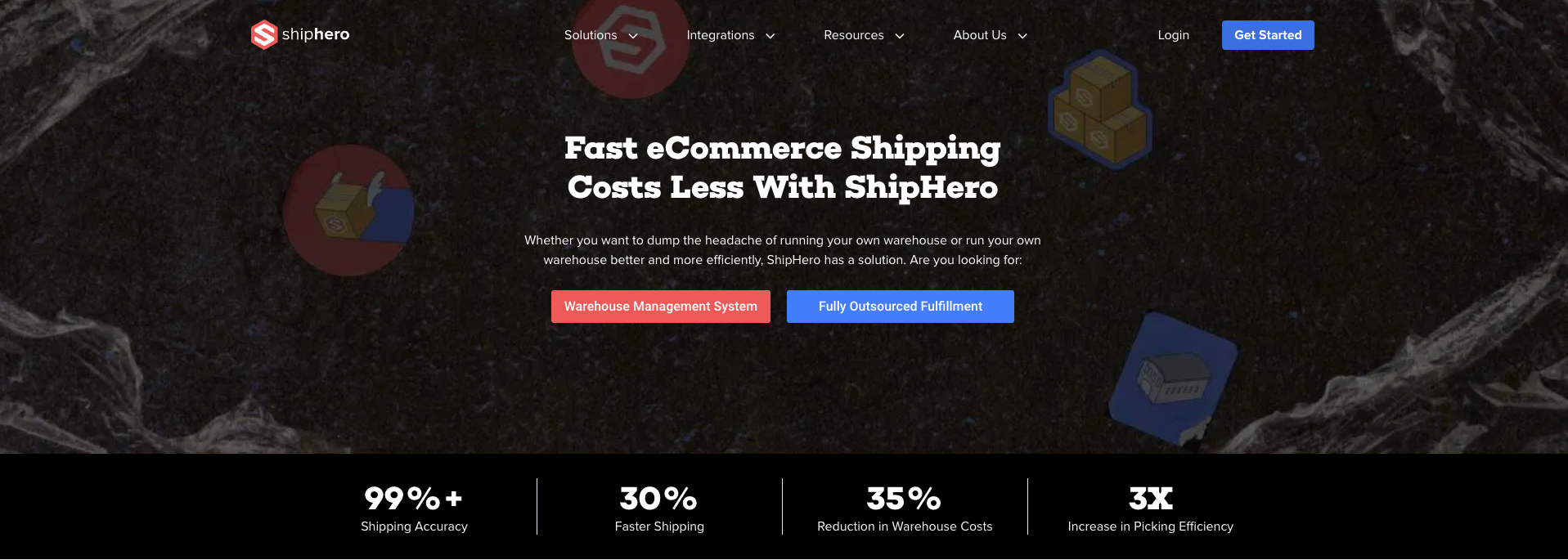
ShipHero is primarily a warehouse management system (WMS) software platform — not a traditional 3PL. They offer two products: a WMS software license for brands that run their own warehouse, and an outsourced fulfillment service for brands that want to use ShipHero-powered 3PL partner warehouses. The article’s original framing of ShipHero as a standard fulfillment company requires this clarification.
ShipHero’s outsourced fulfillment network targets brands shipping approximately 500+ orders per month. Their WMS is their core strength: AI-assisted pick path optimization, real-time carrier rate shopping, barcode scanning, and B2B/wholesale routing. Pricing is custom — contact vendor for a quote. Their flat-rate shipping model (one rate for the lower 48 states) simplifies cost forecasting.
Fulfillment.com
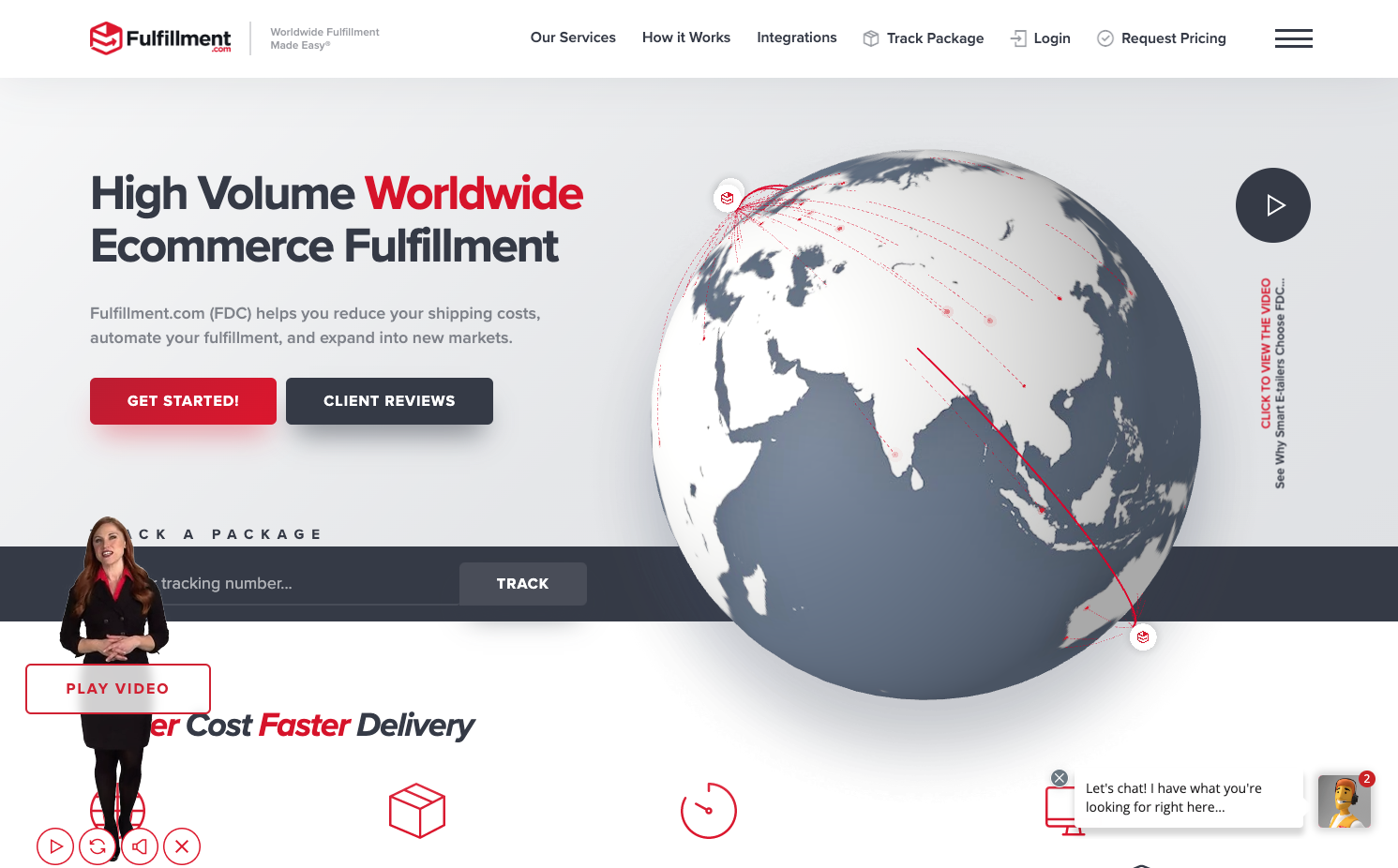
Fulfillment.com is a veteran global 3PL with facilities in the US, UK, Europe, Australia, and Canada. Their key strength is local fulfillment for international markets — brands can batch ship inventory to regional warehouses and fulfill orders locally, which eliminates customs fees for international customers and dramatically reduces delivery times.
They are best suited for established brands with consistent international order volume. Pricing is custom-quoted and not published. Volume requirements apply — contact them directly for details.
Managing Fulfillment doesn’t have to be a hassle.
Partnering with a 3PL like eFulfillment Service means you can focus on growing your business while we handle the details. Request a Free Quote Today!
ShipFusion
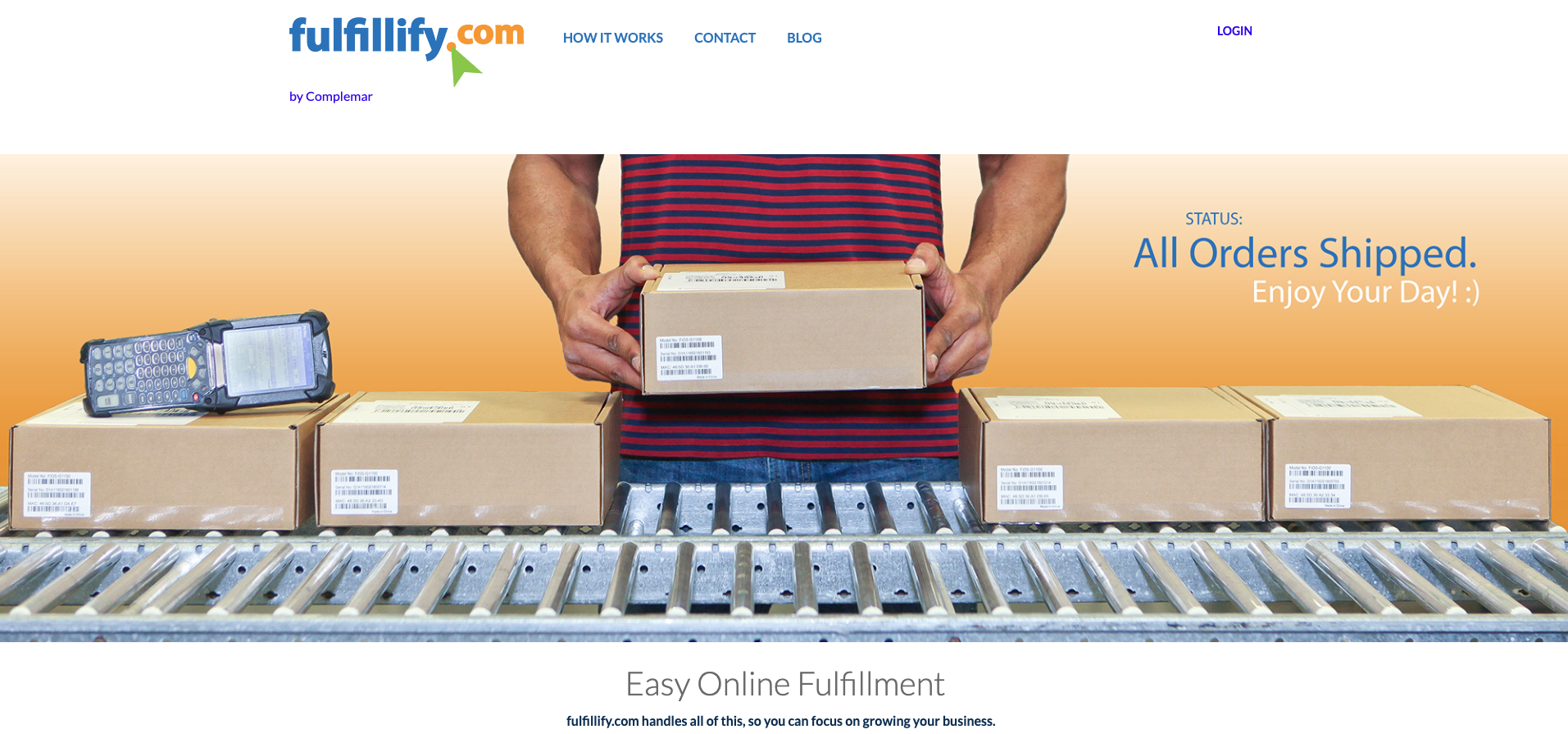
Founded in 2014, Shipfusion is a tech-driven fulfillment provider that saw shipment volume grow over 65% in 2025 and acquired Chicago-based Boxtrot in early 2026. They now operate 4 warehouses across North America (Chicago IL, York PA, Las Vegas NV, Toronto Canada) totaling over 1 million square feet. All US facilities are SQF and FDA certified; the Toronto facility is Health Canada approved.
Shipfusion’s target client ships approximately 2,000+ orders per month. Their proprietary 360 platform provides real-time inventory visibility, SKU-level forecasting, and multi-channel order management. Every client receives a dedicated on-site account manager. Temperature-controlled storage and cold-chain shipping are available at all locations.
Atomix
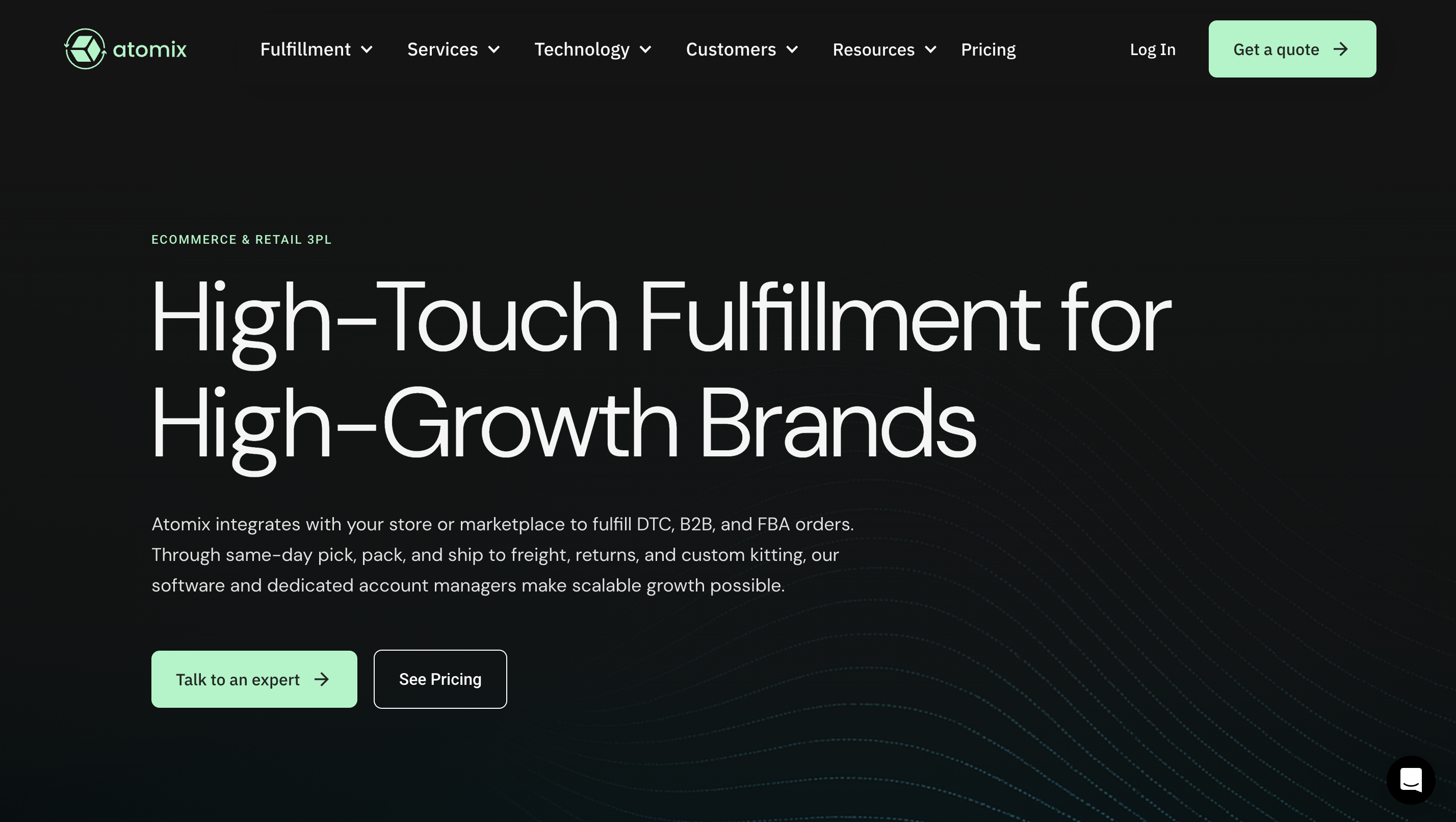
Founded in 2019 and headquartered in Milwaukee, WI, Atomix Logistics has been recognized on the 2025 Inc. 5000 list of America’s fastest-growing companies. They operate two current warehouses (Milwaukee, WI and Salt Lake City, UT), with new facilities launching in Atlanta and the Northeast in 2026, which will expand their 2-day ground shipping coverage to 95%+ of the US population.
Their defining feature is the ‘Pod Model’: your brand is assigned a dedicated micro-warehouse within their facility managed by a Pod Manager who knows your product, workflows, and packaging rules specifically. Communication runs through Slack. The model has produced 99.7%+ order accuracy per published Pod-level data. Pricing is custom-quoted with transparent component-level billing.
Is Your Business Ready for Professional Fulfillment Services?
Take our 3-minute assessment to discover if partnering with a fulfillment service could help scale your business.
Storage Solutions
Optimize your inventory management
Scale Operations
Support your business growth
Save Time
Focus on core business activities
Improve Accuracy
Enhance customer satisfaction
Takes 3 minutes • Get instant results • Free analysis
Business Metrics
Assessment Questions (1-4)
Assessment Questions (5-8)
Assessment Results
The Fulfillment Lab
Founded in 2012 and headquartered in Tampa, FL, The Fulfillment Lab differentiates itself through what they call ‘Fulfillment Marketing’ — using the shipment box as a marketing channel. Their proprietary Global Fulfillment Software (GFS) allows brands to dynamically change packaging based on customer type: new customers get a welcome box, VIP customers get a personalized experience, and so on.
They operate 14 facilities worldwide (2 domestic + 12 international) with a 99.9% published accuracy rate and same-day processing for orders placed before 12 PM. There is no monthly minimum for accounts with 5+ sales per day. Pricing is custom-quoted.
ShipNetwork (formerly Rakuten Super Logistics)
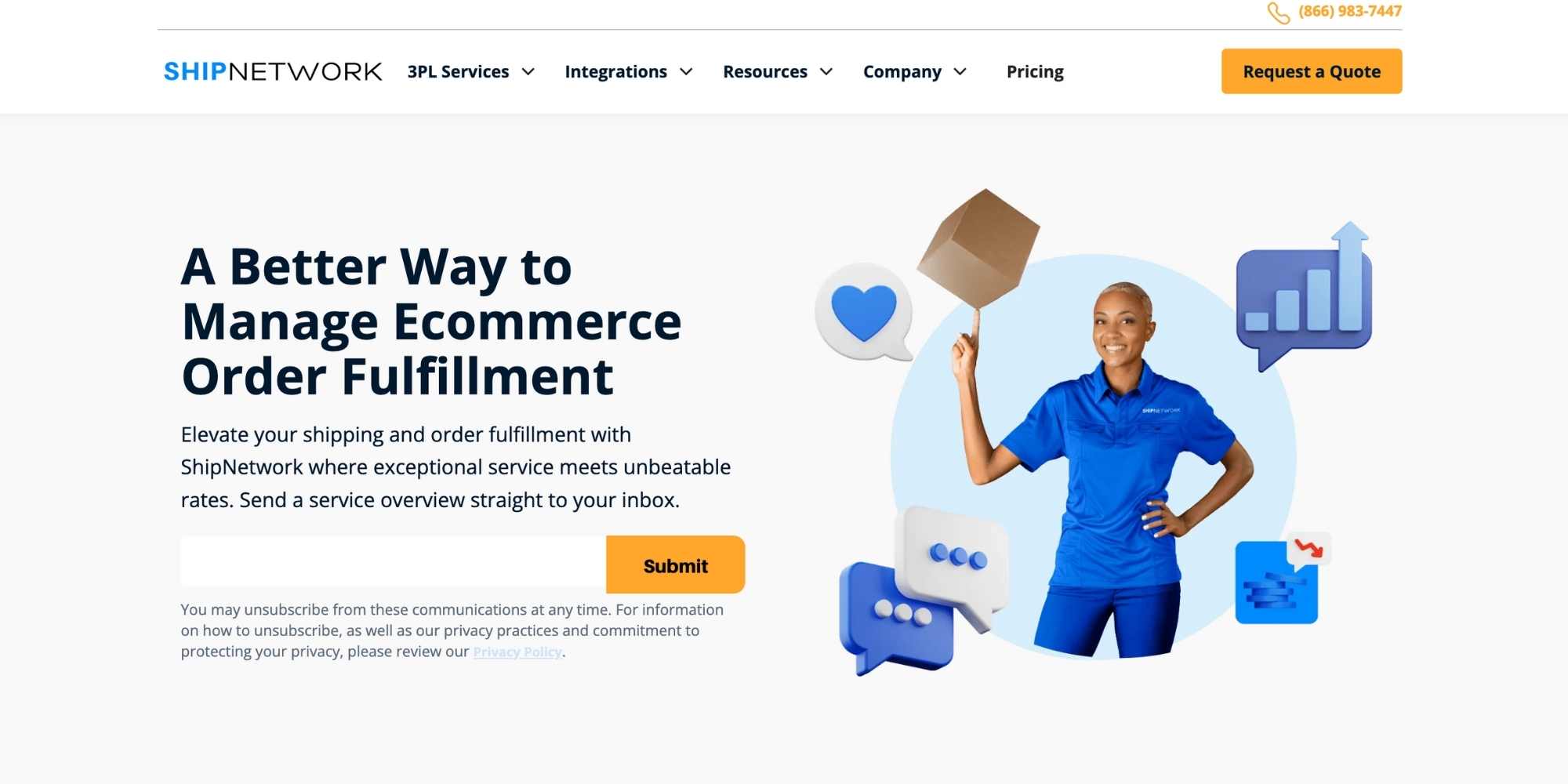
ShipNetwork was originally founded in 2001 as Webgistix, later rebranded as Rakuten Super Logistics, and rebranded again to ShipNetwork following its acquisition by Devin Johnson in August 2022. They operate 12 fulfillment centers across strategic US locations including Anaheim CA, Atlanta GA, Austin TX, Chicago IL, Dallas TX, Denver CO, Houston TX, Las Vegas NV, and others.
Their KNCT shipping optimization system shops in real time for the cheapest carrier rate on every package. ShipNetwork publishes a minimum of approximately 250–500 orders per month and pricing is custom-quoted. They reach 98% of the US population within two days via ground shipping.
ShipHype
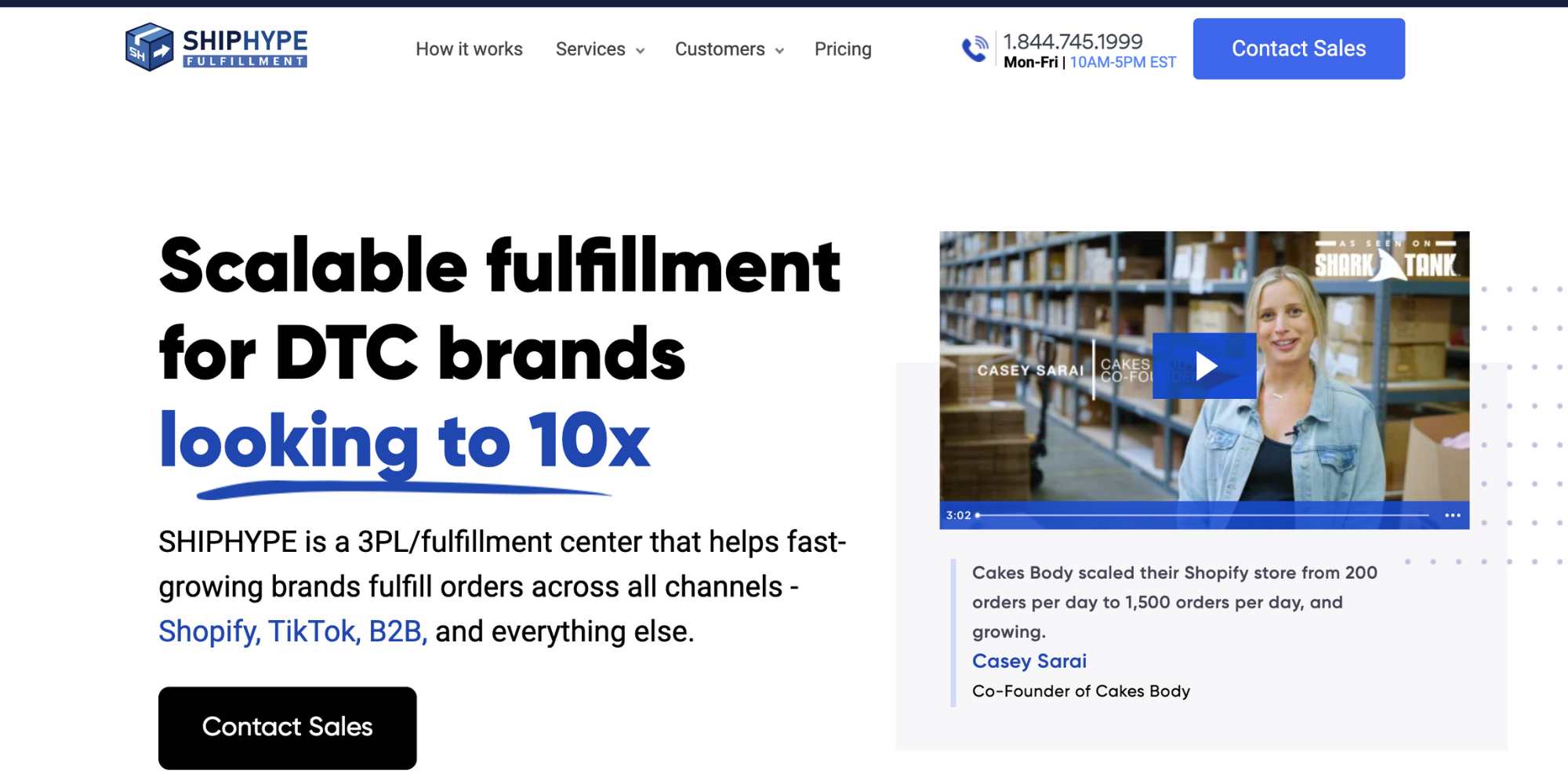
ShipHype is a growing 3PL that owns and operates 5 fulfillment centers across North America: 3 in the US (California, Texas, New Jersey) and 2 in Canada (Toronto, Vancouver). They have no published order minimums and provide transparent pricing with a self-serve calculator on their website. All facilities are owned and operated by ShipHype — no third-party warehouses.
Their dual US/Canada footprint makes them particularly effective for brands selling to both countries, as Canadian orders ship from Canada and US orders ship from the US, eliminating cross-border customs fees for customers. They offer same-day fulfillment for orders placed before 2 PM, a 99.9% published accuracy rate, and a dedicated account manager accessible 24/7. They do not ship items over 50 lbs.
How to Choose the Right Fulfillment Partner for Your Small Business
Choosing a fulfillment partner comes down to three factors: your volume, your product, and where your customers are.
Know Your Volume
If you ship 0–200 orders a month, avoid providers with high monthly minimums. eFulfillment Service, ShipHype, and The Fulfillment Lab have no published order minimums. Simpl Fulfillment has a $750/month spend minimum. Fulfillrite requires $399/month in pick-and-pack fees. ShipBob targets 400+ orders/month with a $275/month minimum. Shipfusion targets 2,000+ orders/month. Match the provider to where you are now, not where you hope to be.
Know Your Product
Heavy or high-value goods: Red Stag Fulfillment. Fragile or hazmat (batteries, liquids, perfumes): Simpl Fulfillment. Subscription boxes or crowdfunding: ShipMonk or Fulfillrite. Custom unboxing and retention marketing: The Fulfillment Lab. Temperature-sensitive (food, cosmetics, supplements): Shipfusion. Standard DTC or apparel: eFulfillment Service, ShipHype, or ShipBob.
Understand the Full Pricing Picture
Headline pick-and-pack rates are rarely the whole story. Watch for: long-term storage fees (now charged by 48.6% of warehouses per the 2025 Warehousing and Fulfillment Survey, up from 23.3% the prior year), shipping rate markups (ShipBob adds 15–30%), minimum monthly spend requirements, setup fees, and offboarding fees. Always request a full rate card and ask specifically about what triggers additional charges.
Verify Contract Terms Before Committing
Providers like eFS, ShipHype, Fulfillrite, ShipMonk, The Fulfillment Lab, and Saltbox offer month-to-month flexibility. Shipfusion and Red Stag do not publicly publish contract terms — verify directly. ShipBob off

Summary:
The best fulfillment partner for a small business is the one that fits your current volume, your product type, and your growth stage — not the one with the biggest marketing budget. A transparent partner that charges you exactly what they said they would is worth more than a fancy dashboard.
If you are just starting out, eFulfillment Service, ShipHype, or Fulfillrite are worth exploring first. If you have special needs — heavy items, cross-border, temperature control, or high-volume scale — look at the specialists.
Want to get started with an award-winning 3PL?
Get a free quote from eFulfillment Service and see how a 3PL could simplify your ecommerce fulfillment!
This article was written by Sean Weeks, Search Marketing Specialist at eFulfillment Service. All competitor data is sourced from each provider’s publicly available website and published materials as of early 2026.
Sources
All data in this guide was sourced from publicly available materials as of early 2026.
eFulfillment Service
- [1] eFulfillment Service — Official website — https://www.efulfillmentservice.com
Red Stag Fulfillment
- [2] Red Stag Fulfillment — Best Fulfillment Service Companies 2026 — https://redstagfulfillment.com/best-fulfillment-service-companies/
- [3] Red Stag Fulfillment — 3PL Pricing Guide — https://redstagfulfillment.com/3pl-pricing-explained/
- [4] Fulfill.com — Red Stag Fulfillment profile — https://www.fulfill.com/3pl/profile/red-stag-fulfillment
ShipBob
- [5] ShipBob — Pricing page (official) — https://www.shipbob.com/pricing/
- [6] Simpl Fulfillment — ShipBob Pricing Breakdown 2026 — https://www.simplfulfillment.com/breakdowns/shipbob-pricing
- [7] Fulfill.com — ShipBob vs ShipMonk comparison 2026 — https://www.fulfill.com/shipbob-vs-shipmonk
- [8] Sacra — ShipBob revenue and funding profile — https://sacra.com/c/shipbob/
ShipMonk
- [9] ShipMonk — Pricing page (official) — https://www.shipmonk.com/pricing
- [10] Fulfill.com — ShipBob vs ShipMonk comparison 2026 — https://www.fulfill.com/shipbob-vs-shipmonk
Saltbox
- [11] Saltbox — Official website — https://www.saltbox.com
- [12] Saltbox — Pricing page — https://www.saltbox.com/pricing
- [13] Tracxn — Saltbox company profile — https://tracxn.com/d/companies/saltbox
Fulfillrite
- [14] Fulfillrite — Official website — https://www.fulfillrite.com
- [15] Fulfill.com — Fulfillrite profile (2025) — https://www.fulfill.com/3pl/profile/fulfillrite
- [16] Red Stag Fulfillment — Best 3PL for Small Business — https://redstagfulfillment.com/best-3pl-for-small-business/
Simpl Fulfillment
- [17] Simpl Fulfillment — Official website and pricing — https://www.simplfulfillment.com
- [18] Tracxn — Simpl Fulfillment company profile — https://tracxn.com/d/companies/simpl-fulfillment
ShipHero
- [19] ShipHero — Official website — https://www.shiphero.com
- [20] ShipHero Fulfillment — Outsourced fulfillment services — https://fulfillment.shiphero.com
- [21] SoftwareConnect — ShipHero review — https://softwareconnect.com/reviews/shiphero/
Fulfillment.com
- [22] Fulfillment.com — Official website — https://www.fulfillment.com
Shipfusion
- [23] Shipfusion — Official website — https://www.shipfusion.com
- [24] BusinessWire — Shipfusion acquisition of Boxtrot (Feb 2026) — https://www.businesswire.com/news/home/20260204232558/en/Shipfusion-Acquisition-of-Boxtrot-Highlights-Record-Year
- [25] Fulfill.com — Shipfusion profile (2025) — https://www.fulfill.com/3pl/profile/shipfusion
Atomix Logistics
- [26] Atomix Logistics — Official website — https://www.atomixlogistics.com
- [27] Atomix Logistics — Pod Model explained — https://help.atomixlogistics.com/en/articles/6597447-what-is-the-atomix-fulfillment-pod-model
- [28] Atomix Logistics — 2-Day Shipping coverage — https://www.atomixlogistics.com/services/2-day-shipping-international-delivery
- [29] PitchBook — Atomix Logistics company profile — https://pitchbook.com/profiles/company/495009-46
The Fulfillment Lab
- [30] The Fulfillment Lab — Official website — https://www.thefulfillmentlab.com
- [31] The Fulfillment Lab — eCommerce fulfillment services — https://www.thefulfillmentlab.com/ecommerce-fulfillment-services
- [32] Fulfill.com — The Fulfillment Lab profile (2025) — https://www.fulfill.com/3pl/profile/the-fulfillment-lab
ShipNetwork
- [33] ShipNetwork — Official website — https://www.shipnetwork.com
- [34] PR Newswire — Rakuten Super Logistics is Now ShipNetwork (Aug 2022) — https://www.prnewswire.com/news-releases/rakuten-super-logistics-is-now-shipnetwork-under-new-ownership-301597367.html
- [35] WarehousingAndFulfillment.com — ShipNetwork reviews and ratings — https://www.warehousingandfulfillment.com/reviews/rakuten-super-logistics-reviews-ratings/
ShipHype
- [36] ShipHype — Official website — https://shiphype.com
- [37] ShipHype — Fulfillment pricing — https://shiphype.com/fulfillment-pricing/
- [38] ShipHype — Pricing calculator — https://shiphype.com/fulfillment-pricing-services-calculator/
Industry Data
- [39] Ware-Pak — Hidden 3PL Fees to Watch for in 2026 — https://ware-pak.com/fulfillment/hidden-3pl-fees-to-watch-for-in-2026/
[40] Ware-Pak — 3PL Storage Cost Trends in 2026 — https://ware-pak.com/fulfillment/storage-trends-in-2026-for-3pls-pricing-models-storage-methods-and-the-push-for-transparency/


0 Comments