
If you sell online long enough, you start to notice how much of your business depends on decisions you don’t control.
At first, it doesn’t feel risky. Amazon is sending steady orders. eBay brings in a different kind of buyer. Walmart starts picking up momentum. Then something small shifts.
It might be a ranking change or a fee adjustment buried in an email. This is the part most sellers don’t talk about when they’re starting. When too much of your revenue runs through one or two platforms, your business inherits their volatility.
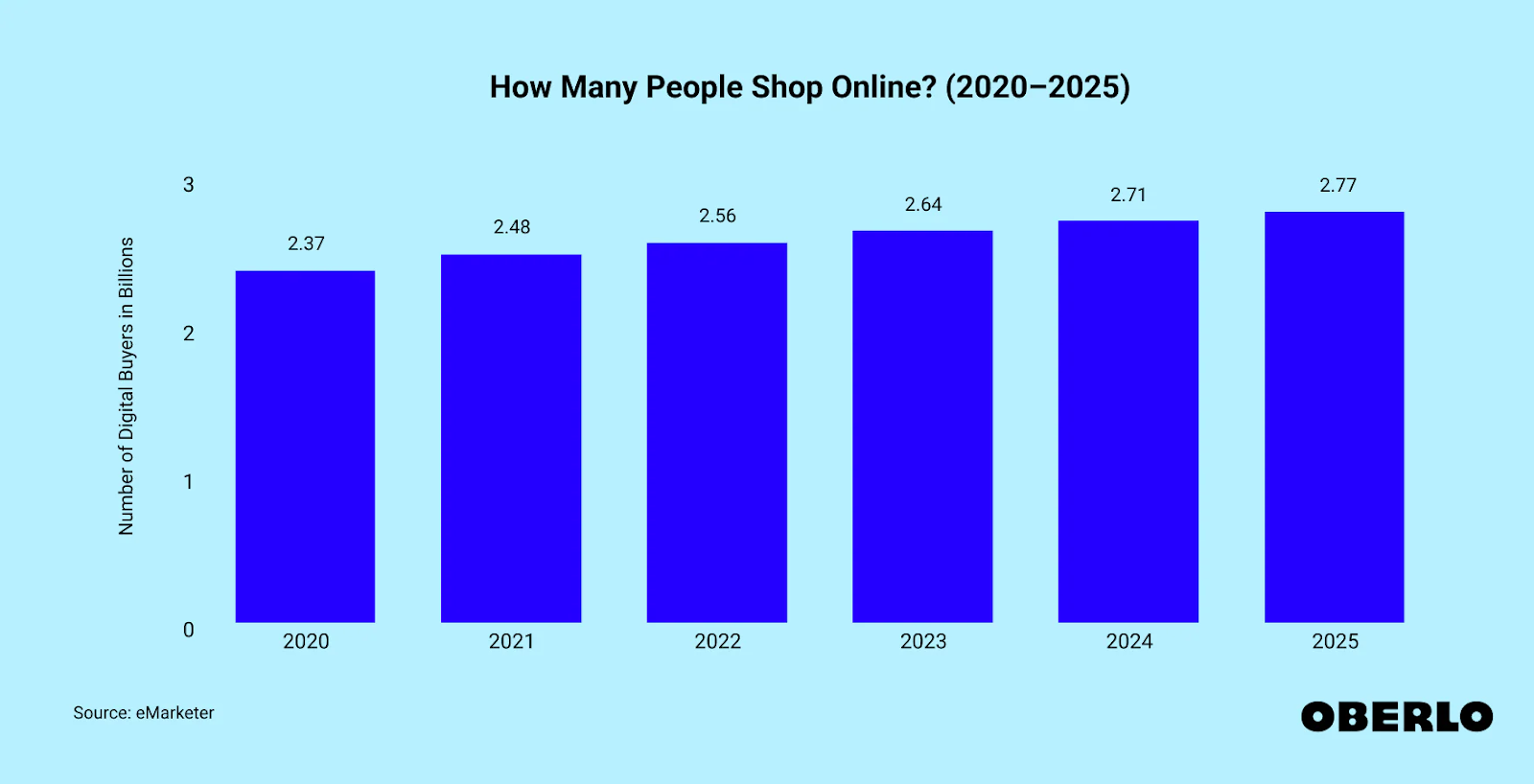
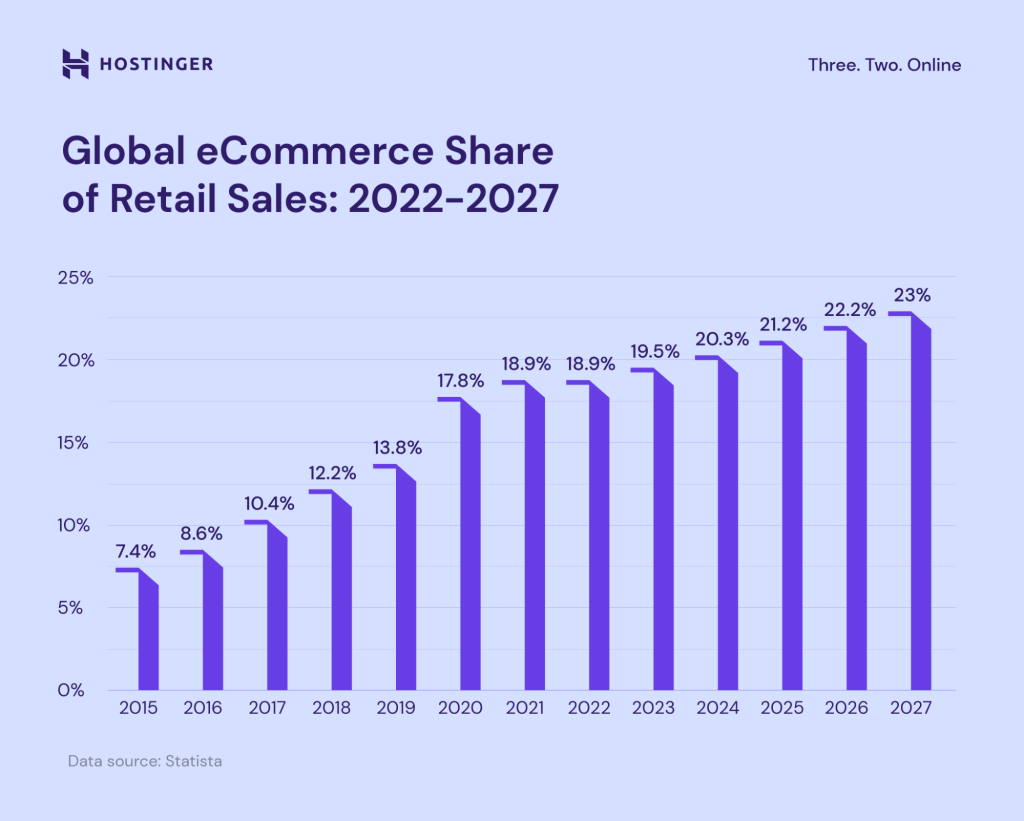
But everyone is shopping online, as you can see below. So you need a workaround.
This guide walks you through how sellers diversify their channels, which marketplaces are actually worth adding, and how to avoid operational chaos in the process.
Understanding the Big Three and Their Role
Most sellers end up on Amazon, eBay, or Walmart for the same reason: the traffic is already there. And you’re not trying to convince someone to trust a new website or learn a new checkout process.
If your listing shows up and the price makes sense, orders start coming in.
That early traction is hard to replace. These platforms solve a lot of problems upfront. They bring buyers, handle payments, and set clear expectations around shipping and returns. For many sellers, they’re the fastest way to move from zero to consistent sales.
But over time, you start to see the tradeoff. The customer isn’t really yours. The platform decides how products are ranked, what fees apply, and how issues are resolved. Most of the time, everything is fine. Then a listing loses visibility, fees change, or a policy update affects how you operate.
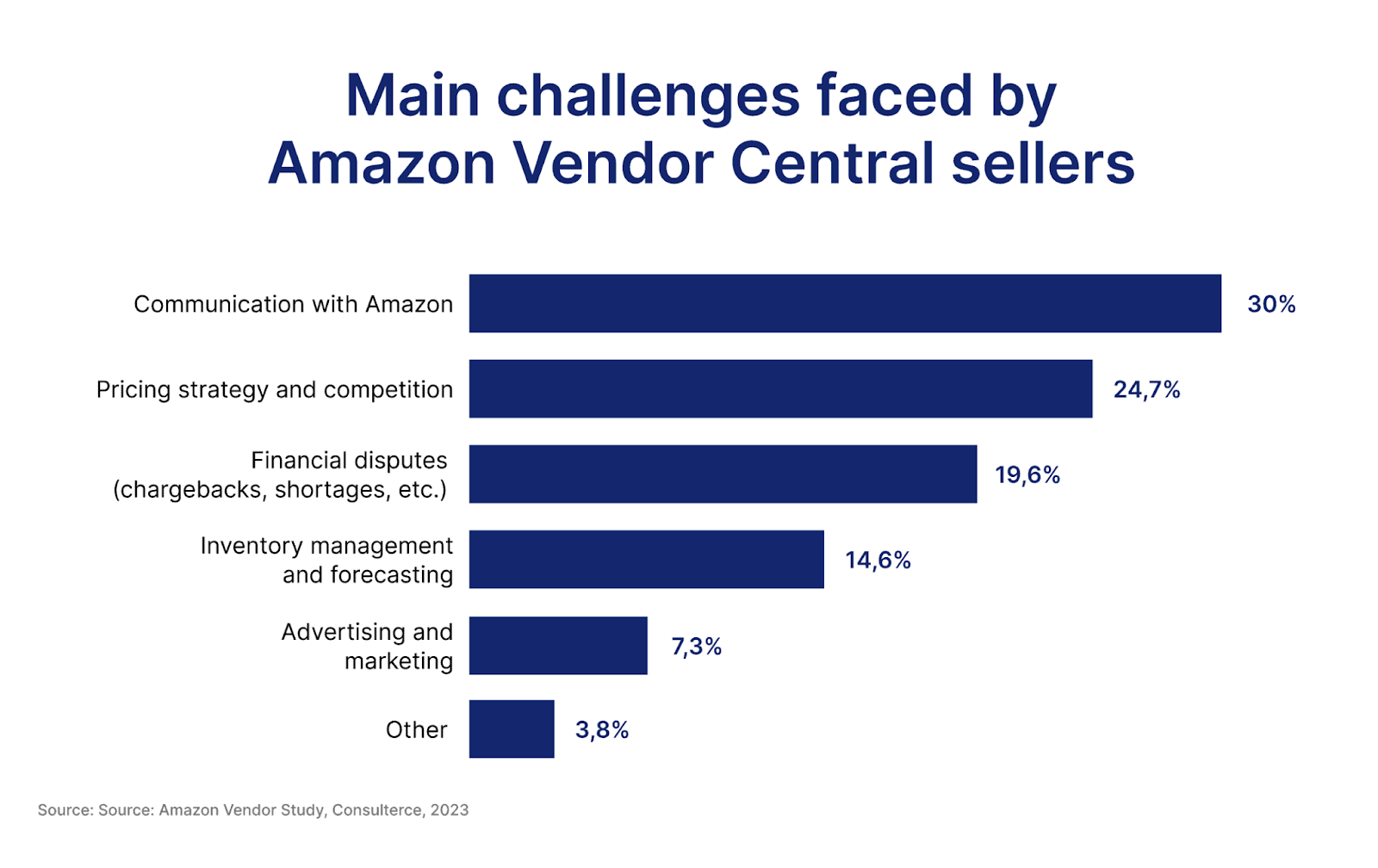
This is usually when sellers start looking outward. Relying on them entirely means your business moves at their pace. Adding other channels doesn’t replace them. It gives your business more stability, so it isn’t tied to a single platform, continuing to behave the same way.
The Benefits of Diversifying Sales Channels
Diversifying isn’t just about growth. It changes the risk profile of your business and gives you more control over where sales come from.
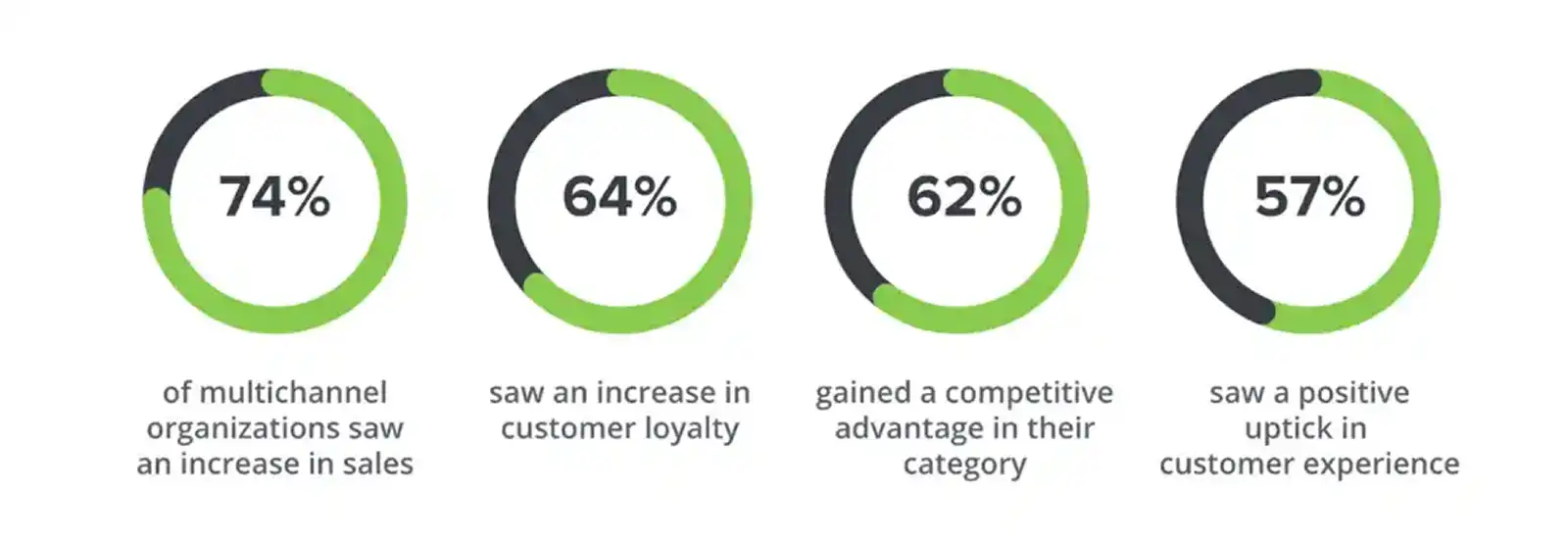
- Less dependence on one platform: If one marketplace slows down or changes something, you’re not fully exposed.
- Access to different buyer types: Some customers stick to big marketplaces. Others prefer buying directly from brands. Niche platforms bring their own built-in audiences.
- Stronger brand familiarity: When buyers see your products in more than one place, your brand becomes easier to remember.
- Clearer performance insights: Selling across channels shows you where margins are stronger and which audiences respond best.
Emerging Marketplaces and Platforms to Consider
Once sellers get comfortable on the major platforms, the next question usually isn’t whether to expand, but where. There’s no shortage of options. The challenge is figuring out which ones actually make sense for your products, instead of signing up everywhere and spreading yourself thin.
Some platforms are obvious extensions. Others only start to make sense once you think about how your product is positioned, who it appeals to, and where those buyers tend to browse.
Etsy
A shop on Etsy has incredible potential, as you can see below.
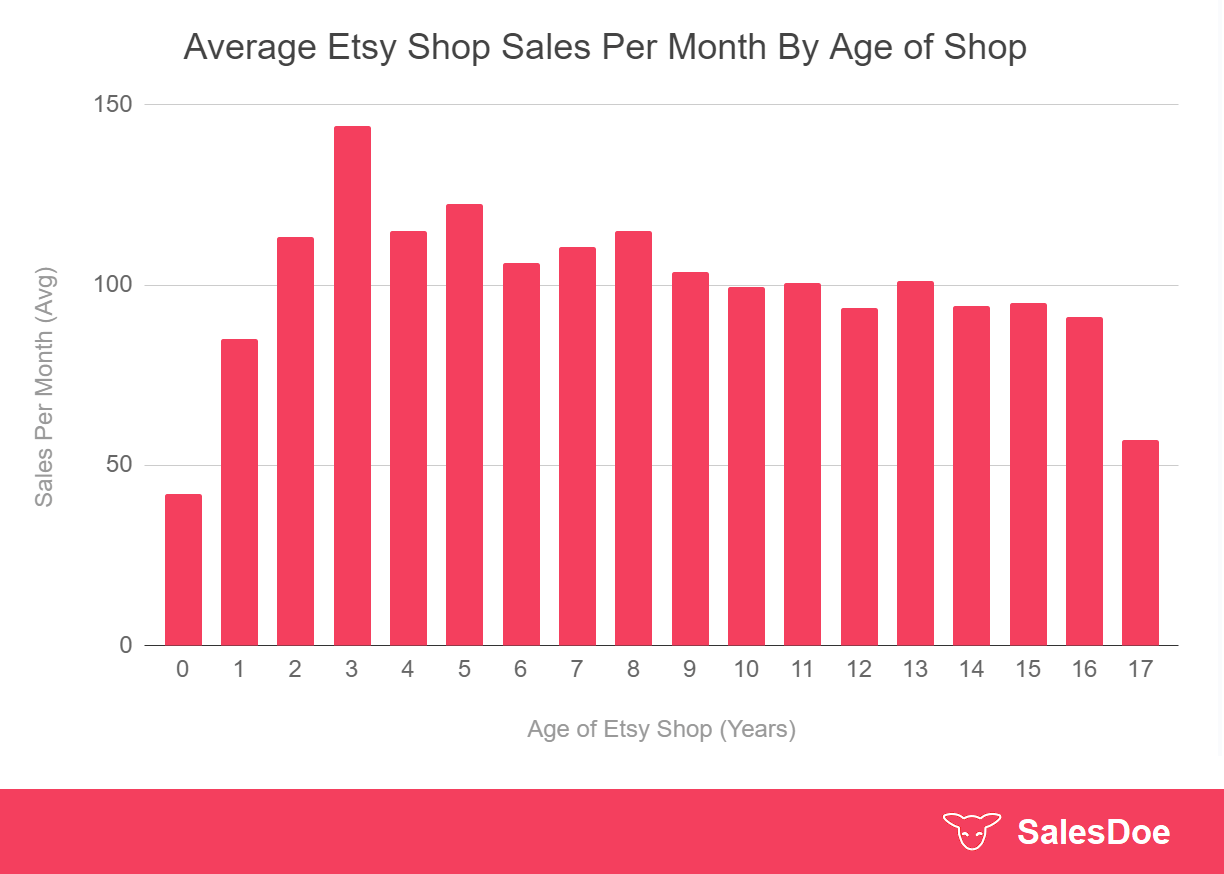
But it tends to work best when the product has some character to it. Buyers there aren’t scrolling the same way they do on Amazon.
They notice things like how the product is presented, how the photos look, and whether the listing feels intentional. Sellers who take the time to photograph their products properly and explain what makes them different usually get better traction.
Is Your Business Ready for Professional Order Fulfillment Services?
Take our 3-minute assessment to discover if partnering with a fulfillment service could help scale your business.
Storage Solutions
Optimize your inventory management
Scale Operations
Support your business growth
Save Time
Focus on core business activities
Improve Accuracy
Enhance customer satisfaction
Takes 3 minutes • Get instant results • Free analysis
Business Metrics
Assessment Questions (1-4)
Assessment Questions (5-8)
Assessment Results
Shopify
Shopify isn’t a marketplace, which is exactly the point. It’s where sellers build their own storefront instead of operating inside someone else’s ecosystem. There’s more responsibility involved, since you have to generate your own traffic, but you also gain control over the customer relationship. Over time, that becomes valuable.
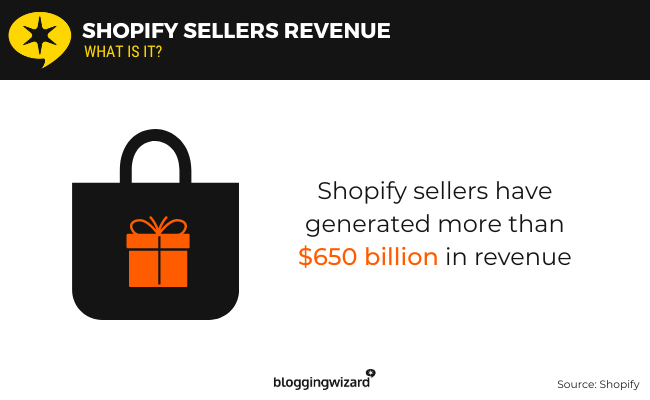
Here you’re not competing side by side with dozens of near-identical listings, and you’re not dependent on marketplace rules to stay visible.
Niche and wholesale platforms
Smaller platforms often bring more qualified buyers. Wholesale marketplaces like Faire or Handshake, for example, connect brands directly with retailers. That changes the economics completely, there’s incredible potential there. Instead of selling one unit at a time, you’re fulfilling larger orders, often with better margins and less direct competition.
These platforms tend to work best when your product fills a clear niche rather than trying to compete broadly.
Fulfillment with a Personal Touch.
See How Using a 3PL like eFulfillment Service sellers saves time. Get a Free Quote from eFulfillment Service Today!
International marketplaces
Selling internationally introduces a different kind of opportunity. Marketplaces like Mercado Libre in Latin America, Rakuten in Japan, Zalando in Europe, or Bol.com in the Netherlands and Belgium each operate within their own buyer ecosystems. Customers there already trust those platforms, just like buyers in the US trust Amazon. Entering those marketplaces makes your products visible in regions you wouldn’t reach otherwise.
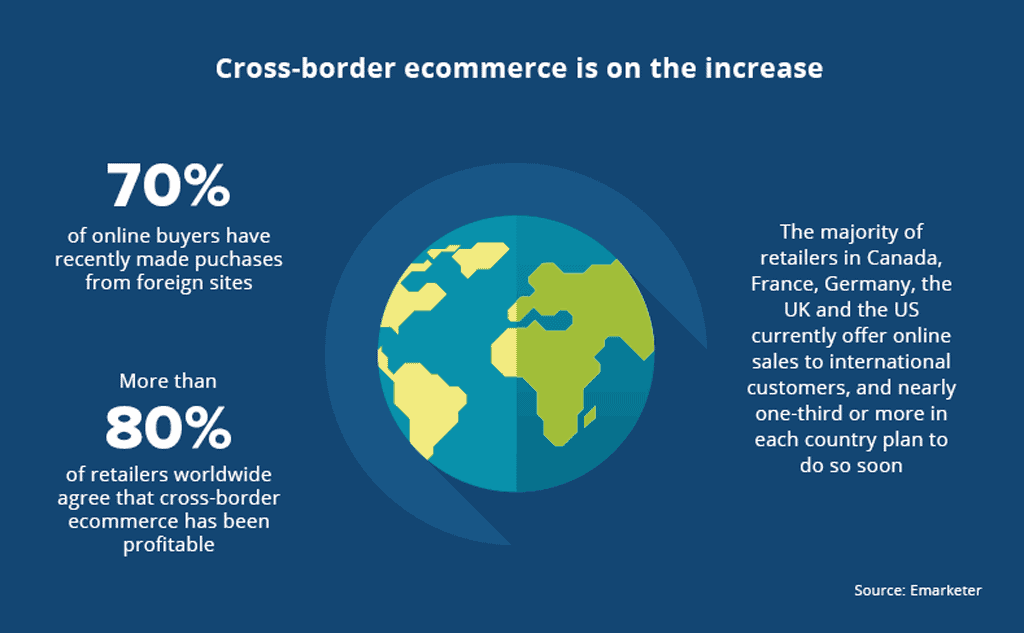
Each platform comes with its own expectations, fee structures, and buyer behavior. That can feel like friction at first, but it’s also what creates opportunity. When your product fits the platform well, it doesn’t have to fight as hard for attention.
Samuel Charmetant, Founder of ArtMajeur, leads a marketplace where independent artists sell directly to collectors across dozens of countries. He has seen how the right platform can change whether a product gets noticed at all.
Charmetant explains, “When artists list their work on platforms that align with their style and audience, the difference is immediate. The same piece that gets overlooked in a general marketplace can gain traction quickly in an environment where buyers are already looking for that kind of work. Choosing the right platform isn’t just about reach. It’s about context.”
Choosing the Right Marketplaces for Your Products
Once you move beyond Amazon, eBay, or Walmart, the temptation is to sign up everywhere. Most sellers try a few platforms before realizing that more isn’t always better. Some marketplaces fit immediately. Others never really take off, no matter how much effort you put in.
It helps to filter your options early.
- Start with where your product feels natural: Certain products just fit certain environments. Handmade or design-focused products tend to do well on Etsy. Commodity products do better where buyers are comparing options quickly. If your listing feels out of place there, it usually performs that way too.
- Pay attention to where your customers already come from: Your existing data is often the best guide. Look at referral sources, countries, and where buyers already discover you. Expanding into platforms that overlap with that demand is easier than starting from zero somewhere new.
- Run the numbers before committing: Marketplace fees, shipping costs, payment processing, and advertising all affect your margins. A channel can bring in orders and still not be worth it. It’s important to understand the real profit per order, not just the volume.
- Make sure your operations can support it: Some platforms expect faster shipping or stricter service standards. Adding a channel only works if your fulfillment setup can handle it without creating delays or inventory issues.
- Think about what role each channel plays: Marketplaces are strong for discovery. Your own storefront is where you build direct relationships. Both serve different purposes, and most businesses end up using a mix of both.
Ryan Beattie, Director of Business Development at UK SARMs, works in a category where platform economics directly affect long-term sustainability. He emphasizes that volume alone doesn’t guarantee profitable growth.
Beattie notes, “It’s easy to focus on order volume when entering a new marketplace, but what matters more is what’s left after fees, shipping, and returns. We’ve seen channels generate strong sales but weaker margins, and others with lower volume but much better long-term value. Expanding selectively keeps growth sustainable.”
Challenges of Multi-Channel Selling and Fulfillment
Adding another sales channel never looks complicated on paper. You duplicate a few listings, connect shipping, and assume it will run more or less the same way the first one did.
The friction shows up later.
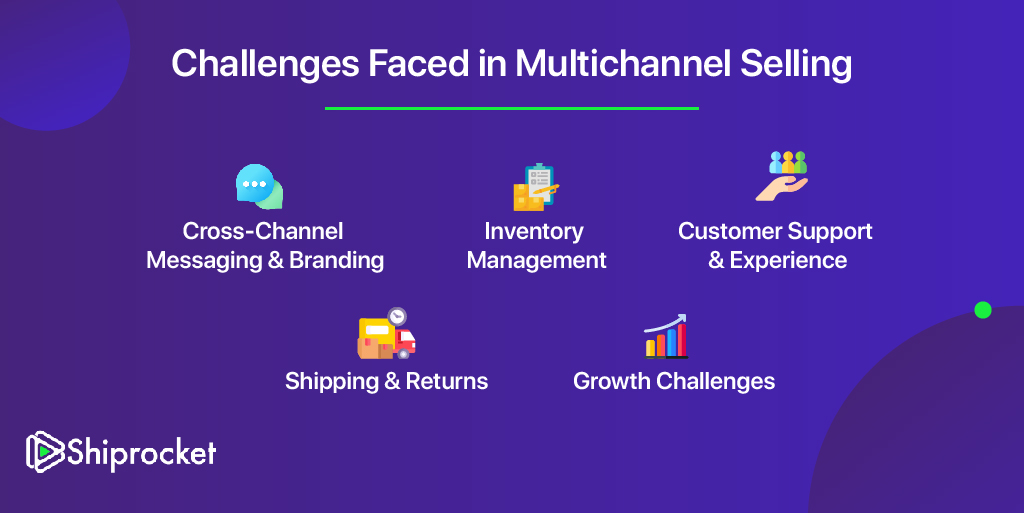
Inventory is usually where things start to wobble. One platform moves faster than you expected, but the others are still showing the old stock level. Now you’re either cancelling orders or holding inventory back just to be safe. Neither feels like progress. It’s usually a sign that your systems aren’t talking to each other properly.
Listings don’t transfer cleanly either. A title that ranks well on Amazon might look flat on Etsy. The way buyers scan pages, compare products, and respond to images isn’t identical across platforms. Copying everything over untouched saves time upfront, but often costs performance later.
Customer service gets scattered. Messages come in from different dashboards, each with different response expectations. You’re not necessarily overwhelmed, but you are switching contexts constantly, and that’s where delays creep in.
Fulfillment adds its own layer. Some orders ship from your own stock, others from a partner, and sometimes from different locations depending on availability. That flexibility helps with growth, but without tight coordination, small errors start stacking up.
Tom Rockwell, CEO of Concrete Tools Direct, manages fulfillment for customers who depend on reliable delivery timelines for active construction projects. He has seen how small inventory gaps can create larger operational problems.
Rockwell says, “When inventory isn’t synchronized across channels, the impact goes beyond a single order. Customers plan work around delivery dates, so accuracy matters. Once we centralized inventory and fulfillment data, it became much easier to maintain consistency across every platform.”
Most of these problems don’t come from selling in multiple places. They come from expanding before the underlying systems are ready. Multi-channel selling works well, but only when the foundation underneath it can handle the extra load.
Strategies for Effective Fulfillment Across Multiple Channels
You can usually tell when fulfillment is working properly because nothing about it feels urgent. Orders come in, stock adjusts, labels print, and packages go out. No scrambling, no surprises. It fades into the background, which is exactly where it belongs.
Getting there isn’t about doing one big thing. It’s about removing the small points of friction that create problems later.
Keep inventory in one place, even if you sell everywhere
Inventory can’t live separately on each marketplace. It has to come from one central system, with every channel pulling from the same numbers.
Otherwise, discrepancies creep in. You sell something that isn’t actually available, or you hold back stock without realizing it. A centralized inventory system prevents that drift and makes availability reliable.
As order volume grows, physical organization starts to matter just as much as software. Some sellers move beyond shelves and bins into more structured storage systems.
A vertical lift module, for example, stores inventory in vertically stacked trays and brings the right item to the operator automatically.
It sounds like overkill until SKU counts climb into the hundreds or thousands. At that point, reducing search time and picking errors becomes less about efficiency and more about keeping fulfillment consistent across every channel.
Make your shipping promise consistent
Customers rarely think about your internal setup. They notice when delivery feels fast and predictable, and they notice when it doesn’t. Keeping shipping timelines and tracking consistent across platforms removes uncertainty.
If certain channels require faster handling, it’s better to design your fulfillment around that standard rather than treating it as an exception every time.
Choose fulfillment partners that extend your reach, not complicate it
As order volume grows, shipping everything from one location starts to create delays or higher costs. Working with fulfillment partners in different regions can solve that, but only if inventory and routing stay coordinated.
Keep returns predictable
Returns become harder to manage when every channel handles them differently. It helps to have one internal process that stays consistent, with adjustments only where required. That way, returns don’t disrupt inventory accuracy or create extra manual work.
Let repetitive tasks happen automatically
Manual work feels manageable when the order volume is low. As volume increases, those same tasks start consuming time and attention. Automating order routing, label creation, and tracking updates removes that burden and makes fulfillment more reliable without constant supervision.
Multi-channel fulfillment doesn’t need to feel complicated. Most of the difficulty comes from disconnected systems and inconsistent processes. Once those are aligned, the flow becomes steady enough that you stop thinking about it.
Getting Started
Diversifying beyond the Big Three helps you spread risk and reach new customers. It also adds complexity, mostly in inventory, listings, and fulfillment.
Pick one new marketplace that fits your products and audience. Map your SKUs, attributes, and content to that marketplace’s best practices. Stand up a central inventory system or tighten your current one so stock syncs in real time. Add basic analytics to watch order volume, margin, and return rates by channel.
If you prefer to learn live, keep an eye on the eFulfillment Service for help with multi-channel fulfillment and integrations.

About the Author
Brooke Webber is a passionate advocate for a people-first strategy in HR. Her major focus areas are workplace psychology and employee listening, where she has already accumulated five years of writing experience.


0 Comments