
You know what most Michigan eCommerce sellers don’t realize? The fulfillment partner that could save them thousands per year is probably sitting right in their backyard.
While everyone’s scrambling to work with massive 3PLs on the coasts, there’s a different story playing out here in the Great Lakes State. One that involves lower shipping costs, faster delivery times, and a level of personal service that makes those big-box fulfillment centers look like, well, exactly what they are: impersonal warehouses that don’t really care about your brand.
If you’re shipping from California to New York, you’re paying Zone 8 rates. That’s the most expensive shipping zone that exists. But ship from Michigan? You’re hitting 68% of the U.S. population within two days using standard ground shipping. That’s not marketing speak; that’s just geography working in your favor.
This guide breaks down everything Michigan brands need to know about kitting, custom packaging, and why working with a local 3PL like eFulfillment Service in Traverse City might be the smartest business decision you make this year.
Jump right in: The North Coast Advantage
- What Kitting Actually Means (And Why It Matters)
- eFulfillment Service: Traverse City’s Secret Weapon
- The Real Cost Savings Behind Kitting
- Custom Packaging Partners That Work With Michigan Brands
- Why Michigan’s Location Saves You Money on Every Order
- Subscription Box Fulfillment: A Special Case
- How to Choose the Right Packaging for Your Products
- Getting Started: What You Need to Know
- Summary & Key Points
What Kitting Actually Means (And Why It Matters)
Kitting isn’t just warehouse jargon. It’s the process of taking individual products and bundling them together into a single package before they ever get ordered. Think of it like meal prep for your fulfillment operation.

Say you sell skincare products. You’ve got a cleanser, toner, and moisturizer that customers frequently buy together. Instead of having warehouse staff pick three separate items every time someone orders that combo, you pre-bundle them. Now it’s one pick, one package, one shipping label.
The difference between kitting and regular “pick and pack” comes down to when the work happens:
- Pick and Pack: Customer orders three items → warehouse picks three items → packs them together → ships
- Kitting: You pre-bundle those three items ahead of time → customer orders the kit → warehouse picks one kit → ships
Light assembly takes this a step further. That’s when you’re actually putting products together or adding components. Maybe you’re inserting batteries, folding custom tissue paper in a specific way, or arranging products so the labels face forward when someone opens the box.
For subscription boxes, this level of detail matters. Your subscribers expect the same experience every month. That ribbon needs to be tied the exact same way. The sticker goes in the same spot. The products are arranged in the same order. That’s not pick and pack; that’s production work.
eFulfillment Service: Traverse City’s Secret Weapon
Let’s talk about eFulfillment Service (eFS), because if you’re a Michigan brand and you haven’t heard of them, you’re missing out.
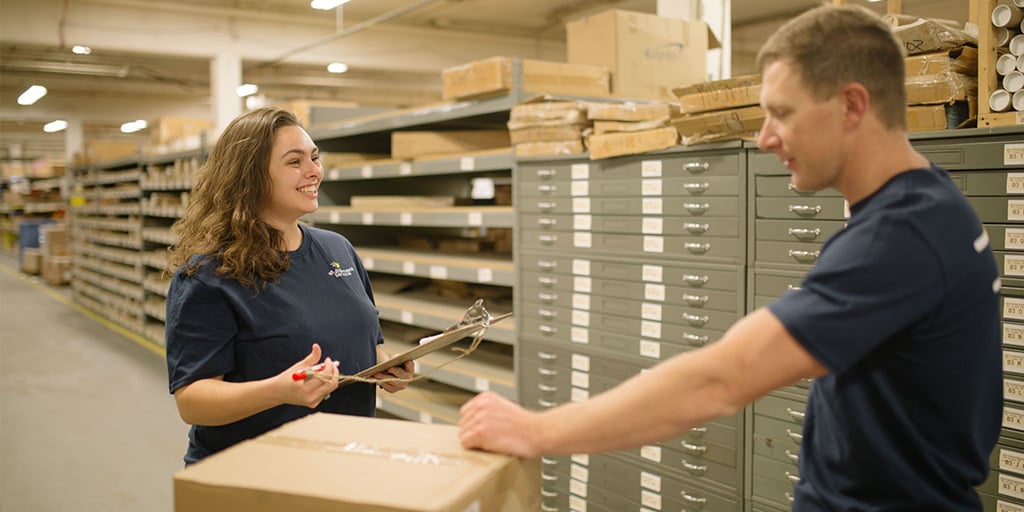
eFulfillment Service at a Glance
| Feature | Details |
|---|---|
| Warehouse Size | 200,000 sq. ft. |
| Setup Fees | None |
| Contract Terms | Pay-as-you-go (no long-term commitment) |
| Order Minimums | None |
| Order Accuracy | 99.9% |
| Key Services | Pick/pack, kitting, subscription boxes, FBA prep, returns, custom packaging |
| Platform Integrations | 40+ free connections (Shopify, Amazon, eBay, Walmart, etc.) |
| Shipping Coverage | Central U.S. location for efficient nationwide delivery |
| Best Product Types | Apparel, health/beauty, books, games, gifts, pet supplies |
They run a single, centralized warehouse instead of a network of smaller facilities. That simplifies inventory management. You don’t have to split your stock between Nevada and Pennsylvania; everything lives in one place, serving the entire country from a central location.
The facility offers climate-controlled warehousing, which matters if you’re shipping supplements, cosmetics, or food products that can degrade in temperature extremes. They’re also FDA registered for handling nutraceuticals, food, and cosmetics.
But here’s the real differentiator: their tech stack. They built a proprietary cloud-based Warehouse Management System that gives you 24/7 visibility. You can check inventory levels, track orders from receipt to shipment, manage returns, and forecast needs based on historical data. And it integrates with over 40 shopping carts and marketplaces including Shopify, Amazon, eBay, Etsy, Walmart, and WooCommerce.
When an order hits your Shopify store, it flows directly to the warehouse floor in Traverse City with zero manual intervention. No emailing spreadsheets back and forth. No waiting for someone to upload orders at the end of the day.
The Real Cost Savings Behind Kitting
Kitting looks like it should cost more. You’re paying someone to assemble products ahead of time. But the math works differently than you’d think.
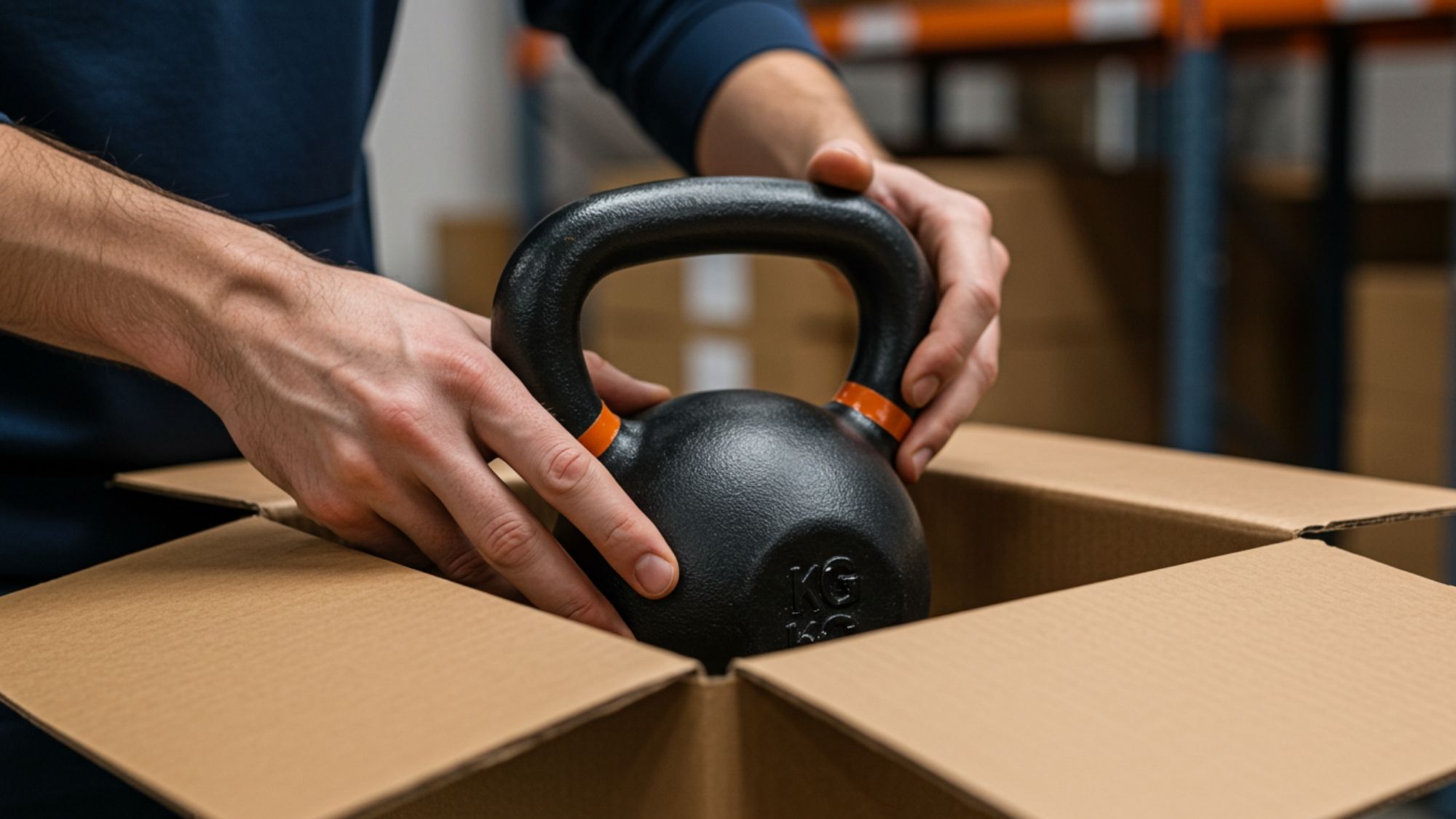
Pick Fee Economics
Most 3PLs charge per pick. If a customer orders three items, you pay three pick fees. Let’s say that’s $0.50 per pick. That’s $1.50 in picking costs for that order.
Now kit those same three items ahead of time. There’s an upfront labor cost to assemble the kit. Maybe that costs $0.75 per unit when you do it in bulk. But when the order comes in? The warehouse only picks one item. One pick fee. $0.50.
Over time, the savings compound:
|
Scenario |
Pick Fees per Order |
Kit Assembly Cost |
Total Cost per Order |
|
Individual picks |
$1.50 (3 items × $0.50) |
$0 |
$1.50 |
|
Pre-kitted |
$0.50 (1 pick) |
$0.25 (amortized) |
$0.75 |
That’s a 50% reduction in per-order fulfillment costs. And we haven’t even talked about shipping yet.
Managing inventory doesn’t have to be a hassle.
Partnering with a 3PL like eFulfillment Service means you can focus on growing your business while we handle the details. Request a Free Quote Today!
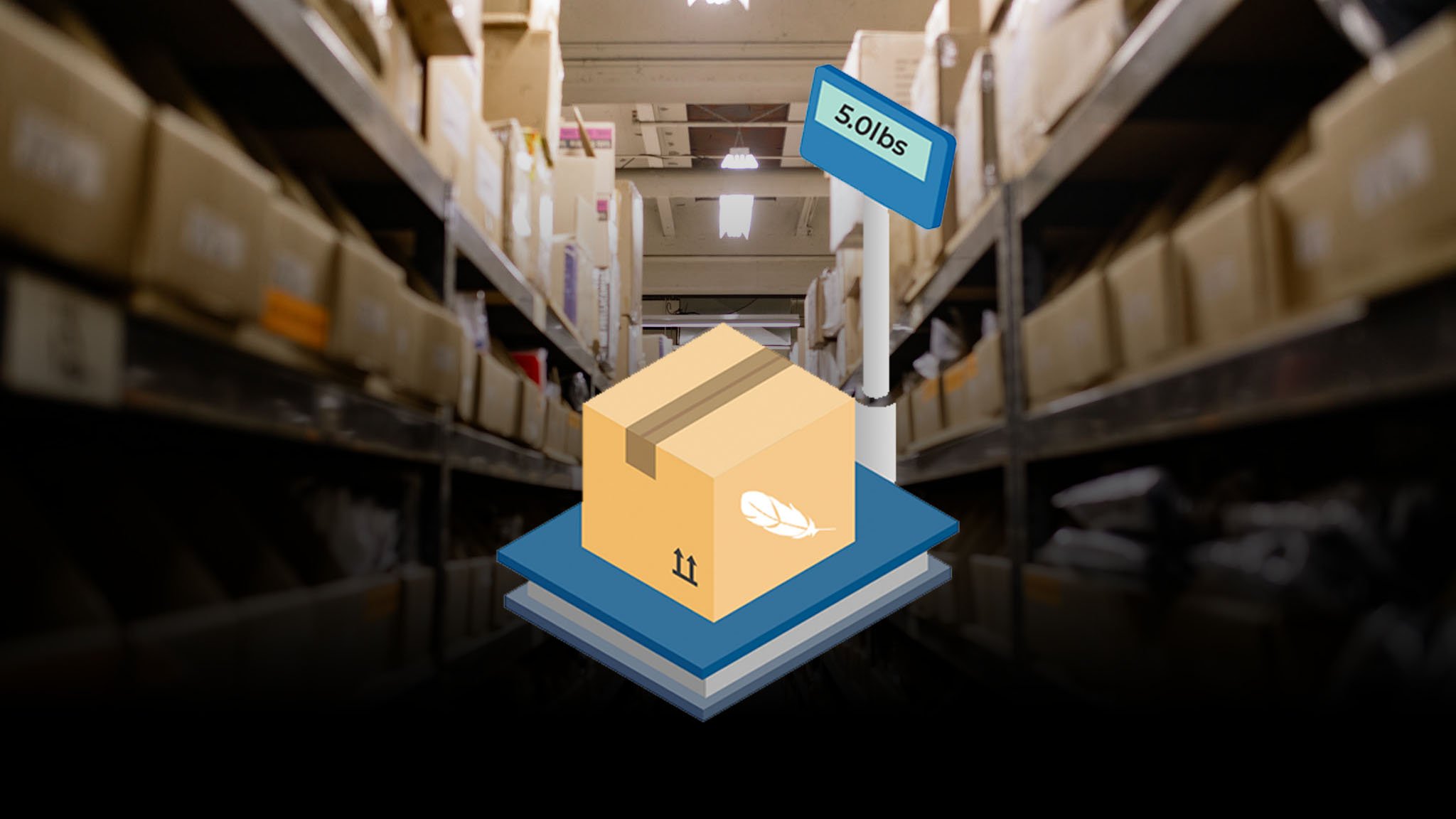
Dimensional Weight Optimization
Here’s where kitting gets really interesting. FedEx and UPS charge based on whichever is greater: actual weight or dimensional weight (DIM weight). DIM weight is calculated by taking the package volume (length × width × height) and dividing by a factor (usually 139 for domestic shipments).
If you throw three items into a standard box with bubble wrap and air pillows, that box might be 16″ × 12″ × 8″. The volume is 1,536 cubic inches. Divide by 139, and you get a DIM weight of about 11 pounds.
But what if those three items only weigh 4 pounds? You’re paying for 11 pounds.
Now kit them into a custom-sized box that fits them exactly: 12″ × 8″ × 4″. Volume is 384 cubic inches. DIM weight drops to about 3 pounds. Since your actual weight is 4 pounds, you’re now paying for 4 pounds instead of 11.
That difference can be $5-$8 per package. Multiply that by thousands of orders, and you’re looking at real money.
Material Waste Reduction
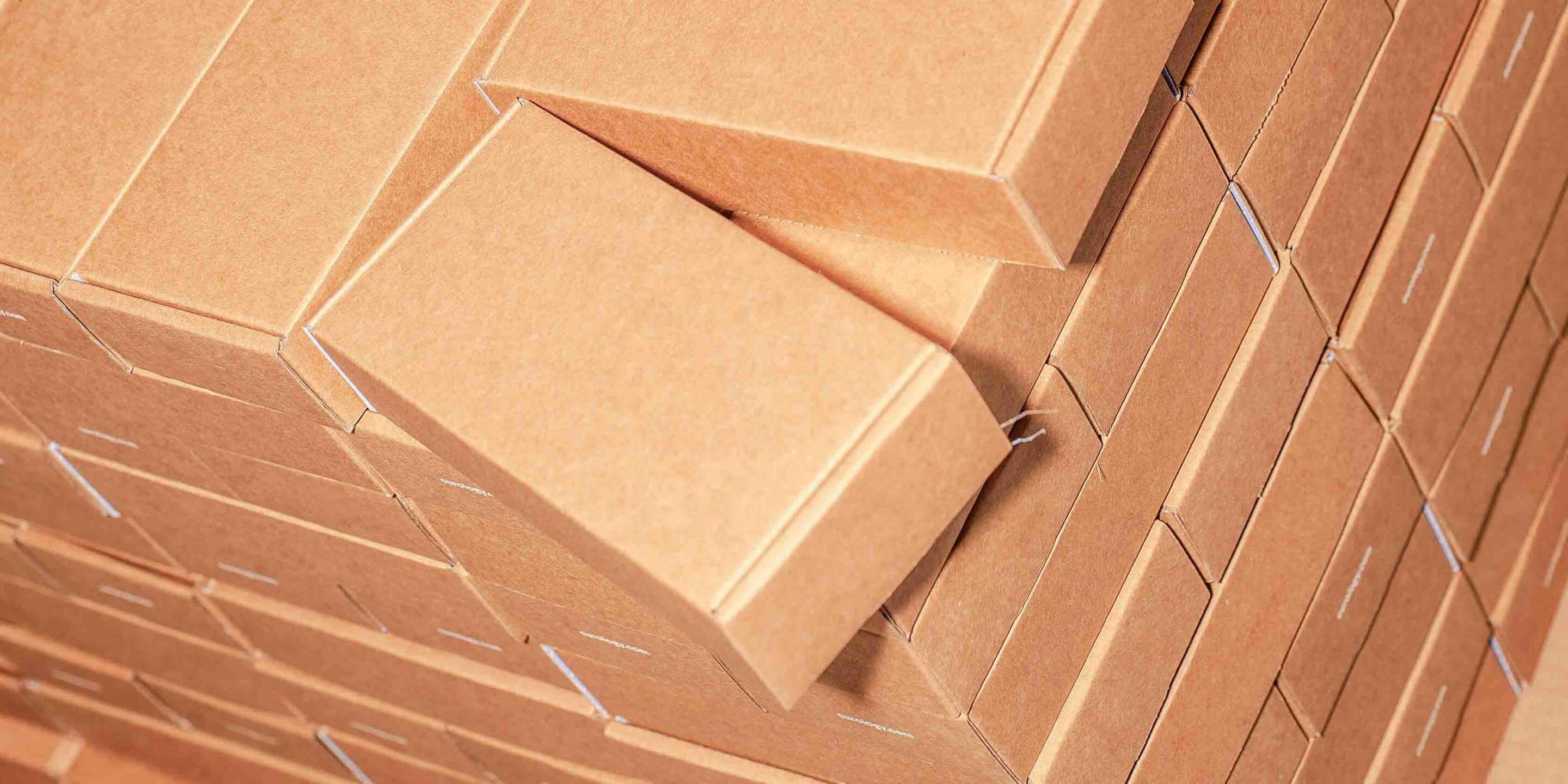
Custom kitting cuts down on void fill. When a box is designed to fit the products exactly, you don’t need excess bubble wrap or packing peanuts to keep things from rattling around. The box itself holds everything in place, often using custom inserts.
This saves material costs. But it also matters to customers. Nobody wants to dig through a mountain of plastic air pillows to find their actual product. And in 2024, sustainability matters. Excess packaging waste creates a negative brand impression.
Custom Packaging Partners That Work With Michigan Brands
eFulfillment Service doesn’t manufacture packaging themselves. They’ve built a network of partners who specialize in custom solutions. This ecosystem approach gives Michigan brands access to best-in-class packaging without the hassle of managing multiple vendor relationships.

RBC Packaging: Right-Sizing Your Boxes
RBC Packaging is based in New York, but they work closely with eFS clients to design custom corrugated solutions. Their specialty is “right-sizing,” which is exactly what it sounds like: engineering boxes to fit your specific products with minimal wasted space.
They handle both digital printing (for short runs, no plate setup fees) and offset printing (for larger runs with lower per-unit costs). Minimum quantities start at just 1 box and go up to 5,000+, which gives you flexibility to scale your packaging as your business grows.
A case study: Metropolis Goods was using stock boxes that were a few inches deeper than necessary. RBC redesigned the box to fit their inventory within 1/16th of an inch. The result?
- Lower material costs (less corrugated needed)
- Reduced shipping costs (smaller DIM weight)
- No void fill required (tight fit eliminated rattle)
- Branded packaging (better customer experience)
That depth reduction alone saved them thousands annually. In shipping, every inch matters.

BrandMyBags: Local Michigan Manufacturing
BrandMyBags operates out of Oak Park, Michigan, in Metro Detroit. For Michigan brands, this proximity is a game changer.
They specialize in flexible packaging: mylar bags, stand-up pouches, and custom packaging for food, supplements, and cannabis products. Their packaging meets strict regulatory standards including odor-proof, child-resistant, and moisture barrier requirements.
Turnaround time is typically 15-18 business days, and they work with low minimums. If you’re a Traverse City brand using eFS for fulfillment, you can source your pouches from Oak Park (just a few hours south), cutting weeks off your supply chain compared to overseas manufacturing.
The “Made in Michigan” story also resonates with customers. You can market a fully local supply chain: designed in Michigan, packaged in Michigan, fulfilled in Michigan. That’s a narrative that builds brand loyalty.
Other Key Partners
Kwik Print Copy sits right on Garfield Ave in Traverse City. They handle printed inserts, marketing collateral, and instruction manuals. Their proximity to the eFS warehouse means last-minute printing needs can be met almost instantly.
Simply Polybags (West Springfield, MA) provides poly mailers for apparel brands. These lightweight, durable mailers are cost-effective for clothing shipments and take up minimal space.
Pratt Industries offers recycled, sustainable corrugated packaging. For brands focused on eco-friendly shipping, Pratt’s solutions align with consumer expectations around sustainability.
EcoPackables (Vista, CA) specializes in compostable and recycled flexible packaging for brands that want to eliminate plastic entirely.
The broader Michigan packaging landscape also includes heavy hitters like Landaal Packaging (Bay City/Flint) and Coastal Container (Holland), which handle industrial packaging, POP displays, and large-scale fulfillment support.
Stay Ahead of Your Competitors!
From inventory strategies to real-time tracking, eFulfillment Service ensures your products are always picked, packed, and shipped on time. Get a Free Quote today!
Why Michigan’s Location Saves You Money on Every Order
Geography isn’t sexy. But it directly impacts your bottom line every single time you ship a package.
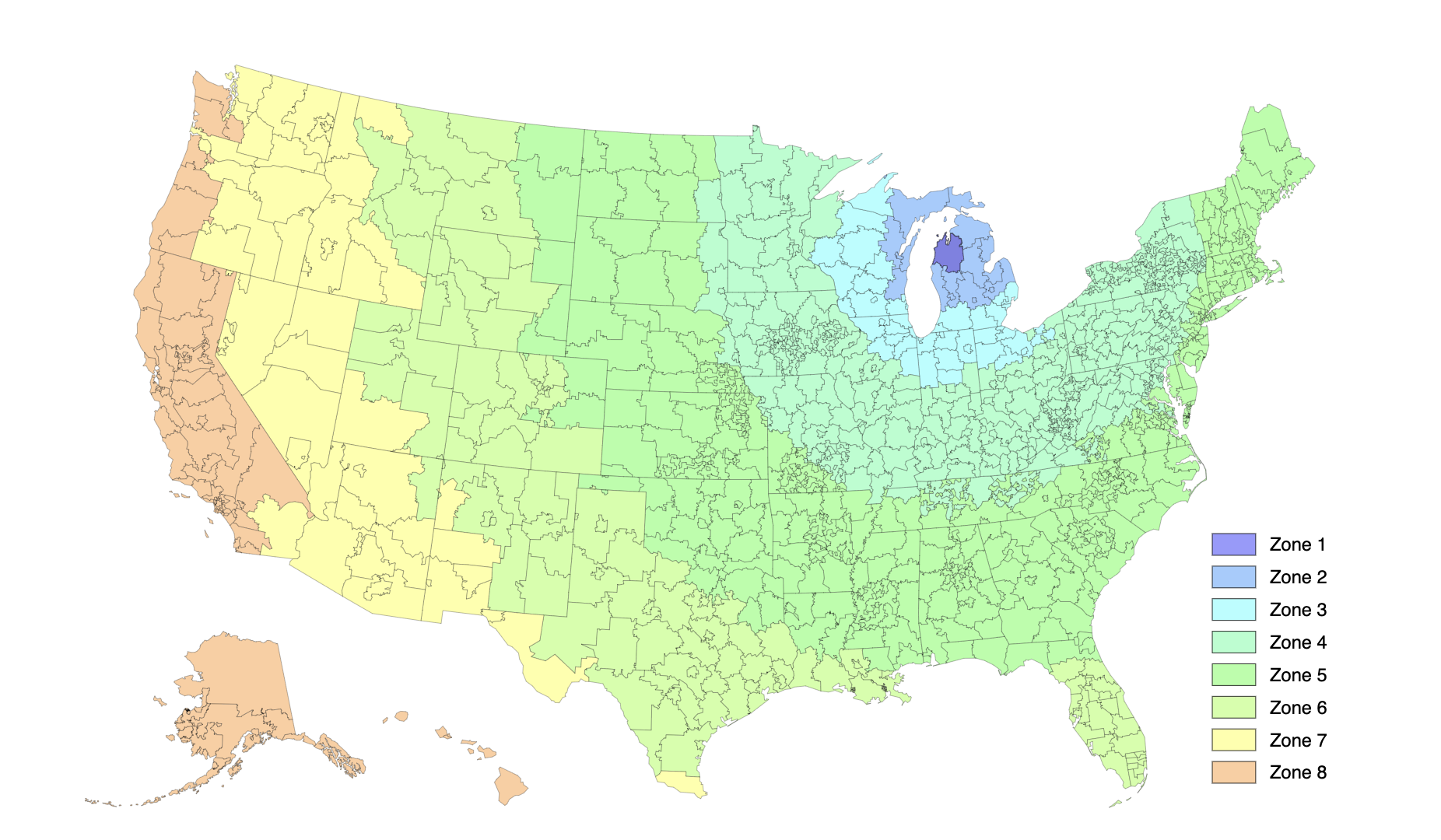
Zone Skipping Explained
USPS, UPS, and FedEx all use zone-based pricing. The further a package travels, the higher the zone, and the more you pay. There are eight zones. Zone 1 is local. Zone 8 is cross-country.
Here’s the cost breakdown for a 5-pound package using UPS Ground:
|
Origin → Destination |
Zone |
Approximate Cost |
|
Los Angeles → New York |
8 |
$18.50 |
|
Los Angeles → Chicago |
6 |
$14.25 |
|
Michigan → New York |
4 |
$11.75 |
|
Michigan → Florida |
5 |
$12.50 |
|
Michigan → Chicago |
2 |
$9.25 |
If you’re shipping nationally, Michigan gets you to most customers in Zone 2-5. A West Coast fulfillment center hits Zone 6-8 for East Coast customers. That 10-15% cost difference adds up fast.
A brand shipping 1,000 orders per month at an average savings of $2 per package saves $24,000 annually just by shipping from Michigan instead of California.
Population Density and Transit Times
Michigan sits at the population center of the eastern half of North America. A truck leaving Traverse City can reach:
- 35% of the U.S. population overnight
- 68% within two days (standard ground)
Major metros within that two-day radius include Chicago, Detroit, Indianapolis, Cleveland, Cincinnati, Pittsburgh, Columbus, Milwaukee, and Toronto (yes, Canada is right there).
For customers, this means “Prime-like” delivery speeds without paying for expedited air freight. For brands, this means competitive delivery times at ground shipping rates.
USPS Ground Advantage, which eFS uses heavily, offers 2-5 day delivery across the contiguous U.S. at highly competitive rates. Michigan’s central location maximizes the efficiency of that network.
Supply Chain Resilience
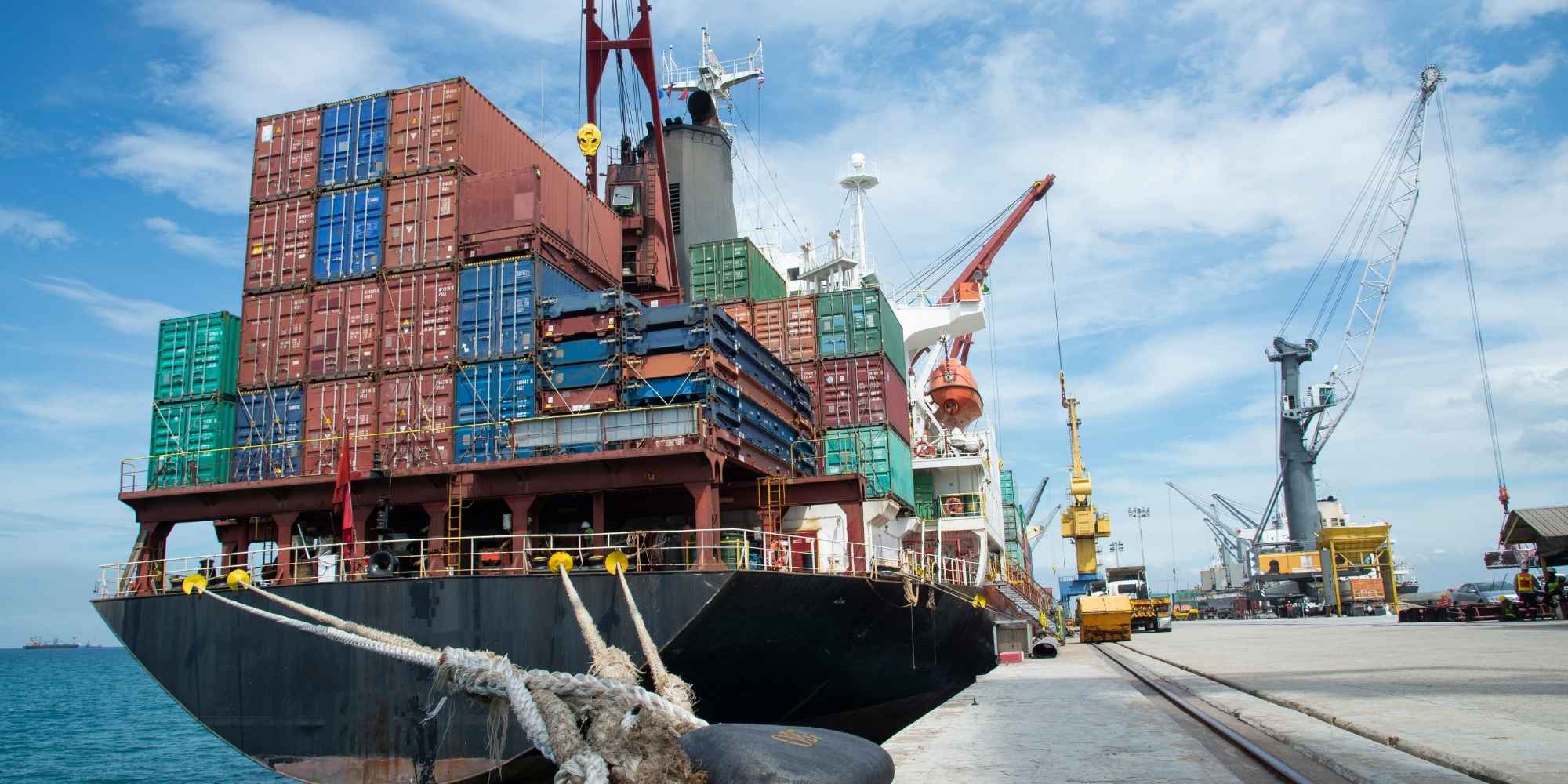
Coastal hubs face vulnerabilities. Hurricanes hit the Southeast. Wildfires disrupt the West Coast. Port congestion and labor strikes delay container shipments.
Michigan? The biggest risk is winter weather, and the infrastructure here is built to handle it. Road crews clear snow fast. Freight rarely stops. The Midwest supply chain is boring in the best possible way: it just works.
The Detroit-Windsor crossing is the busiest international border crossing in North America. For U.S. brands looking to expand into Canada, Michigan serves as a natural staging ground.
Subscription Box Fulfillment: A Special Case
Subscription boxes live or die on the unboxing experience. Your subscribers aren’t just buying products; they’re buying the reveal.

eFulfillment Service runs a dedicated team for subscription fulfillment. They understand that every box needs to be identical. The tissue paper folds the same way. The ribbon ties in the same spot. The sticker goes at the same angle. Products are arranged so labels face the customer when they lift the lid.
This level of detail requires process discipline. It’s production work, not just picking and packing.
The complexity varies based on how many versions you’re running. A single version (every subscriber gets the same thing) is straightforward. But if you’re running personalized boxes where different subscribers get different variations based on their preferences, the operation gets complex fast.
eFS manages the full lifecycle:
- Receiving diverse inventory from multiple suppliers
- Organizing products by variation and segment
- Batch assembly where thousands of boxes are kitted before the monthly ship date
- Quality control to verify each box matches the spec
- Shipping on deadline so subscribers receive boxes on the same day
Boxes with fewer variations move faster and cost less. But their systems can handle complex segmentation if your business model requires it.
Managing inventory doesn’t have to be a hassle.
Partnering with a 3PL like eFulfillment Service means you can focus on growing your business while we handle the details. Request a Free Quote Today!
How to Choose the Right Packaging for Your Products
Not all packaging is created equal. The right choice depends on what you’re shipping, where it’s going, and what experience you want to create.
Corrugated Boxes
Best for: Products that need protection, fragile items, gift sets, subscription boxes
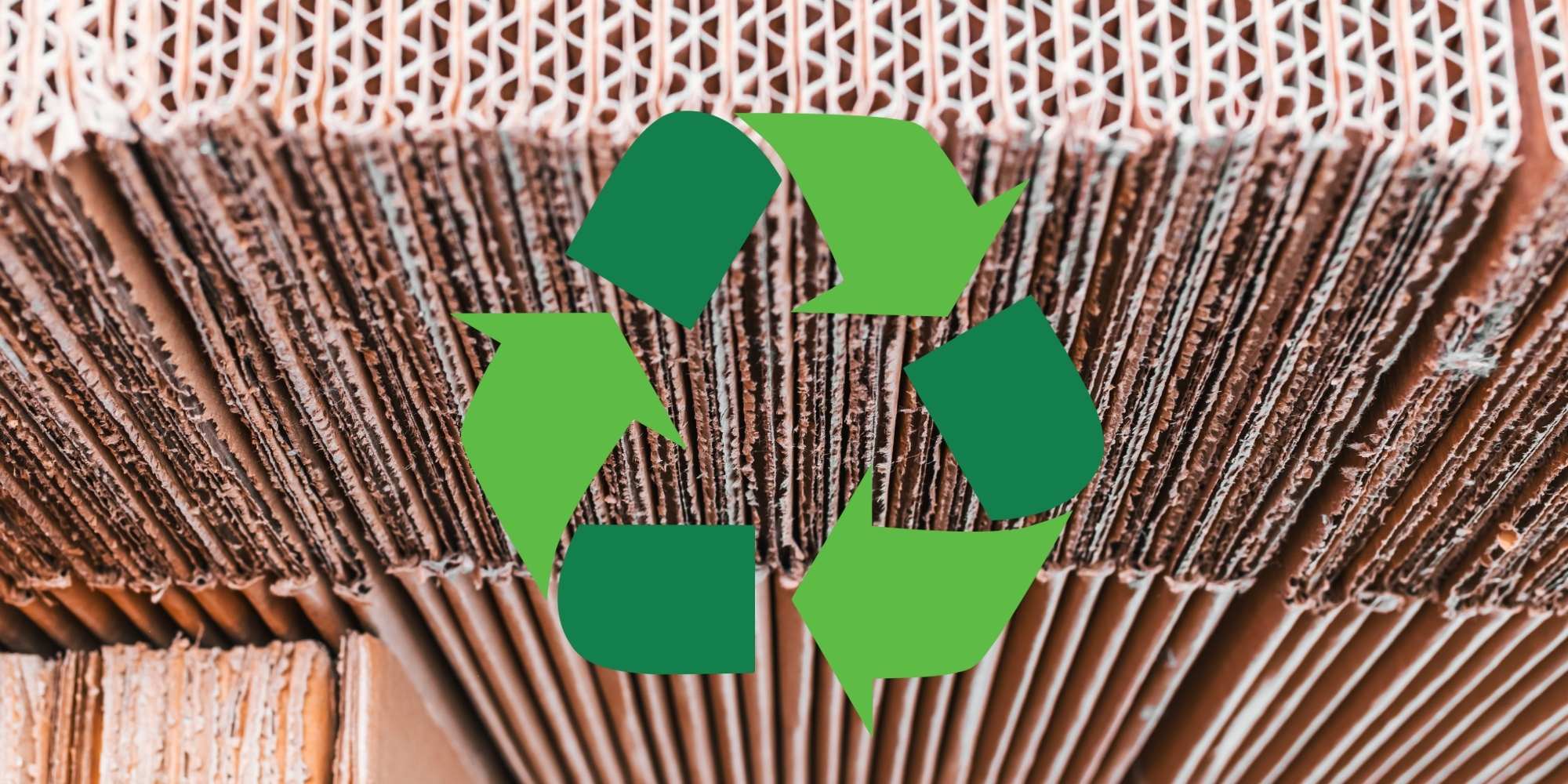
Corrugated comes in different grades (single-wall, double-wall) and flute sizes (A-flute, B-flute, C-flute, E-flute). The flute size affects strength and cushioning.
Custom boxes from partners like RBC Packaging can be designed to exact specifications. You can add:
- Full-color printing (your branding on the outside)
- Interior printing (surprise designs when opened)
- Custom inserts (hold products in place without void fill)
- Perforated tear strips (easy opening)
Flexible Packaging (Pouches and Bags)
Best for: Food products, supplements, cannabis, powder products, anything that needs moisture barriers
Stand-up pouches from BrandMyBags offer:
- Resealable zippers
- Tear notches
- Transparent windows
- Foil lining (light and oxygen barriers)
- Child-resistant closures (required for cannabis)
Flexible packaging is lightweight (lower shipping costs) and space-efficient (stores flat until filled).

Poly Mailers
Best for: Apparel, soft goods, non-fragile items
Poly mailers are the workhorse of clothing fulfillment. They’re:
- Waterproof
- Tear-resistant
- Lightweight (minimal shipping cost)
- Available in custom sizes and colors
- Printable (put your logo directly on the mailer)
Simply Polybags offers custom options with bubble lining for added protection.
Sustainable Options
Eco-conscious consumers pay attention to packaging. Options include:
- Recycled corrugated (Pratt Industries)
- Compostable mailers (EcoPackables)
- Recyclable pouches (BrandMyBags has options)
- Minimal packaging strategies (right-sizing eliminates waste)
The sustainability angle also makes for good marketing. You can talk about your packaging choices in product descriptions, on social media, and in email campaigns.
Getting Started: What You Need to Know
If you’re ready to explore kitting, custom packaging, and working with a Michigan-based 3PL, here’s your action plan.

Step 1: Audit Your Current Fulfillment
Look at your data:
- What products are frequently purchased together?
- What’s your average shipping cost per order?
- What’s your current dimensional weight?
- What’s your average delivery time?
- How many customer complaints relate to packaging or shipping?
This baseline gives you a comparison point when evaluating alternatives.
Step 2: Reach Out to eFulfillment Service
Contact eFS at their Traverse City location. They’ll want to understand:
- Your order volume (current and projected)
- Your product types and storage requirements
- Your integration needs (what platform you’re on)
- Your packaging preferences
- Any special requirements (gift wrapping, inserts, etc.)
They’ll provide a quote based on their transparent pricing model. No hidden fees, no setup charges, no long-term commitment.
Step 3: Plan Your Packaging Strategy
If you need custom packaging, factor in lead times:
- Digital printing (RBC Packaging): 7-10 business days
- Offset printing (RBC Packaging): 2-3 weeks for larger runs
- Flexible packaging (BrandMyBags): 15-18 business days
- Printed inserts (Kwik Print): 3-5 business days
Order packaging before you need it. Having custom boxes sitting in the eFS warehouse when your product arrives ensures you’re ready to fulfill immediately.
Step 4: Test and Iterate
Start with a test run. Send a small batch of inventory. Place some test orders. Evaluate the process:
- How accurate were the shipments?
- How did packages arrive?
- What was the customer feedback?
- Did the kitting work as expected?
- Were there any issues with integrations?
Use this feedback to refine before scaling up.
Step 5: Monitor and Optimize
Once you’re operational, keep tracking metrics:
- Average shipping cost per order
- Average delivery time
- Order accuracy rate
- Customer satisfaction scores
- Return rates
Compare these to your baseline. The savings should be measurable. If they’re not, dig into why and adjust.
Conclusion: Kitting and Custom Packaging Options for Michigan Brands
Here’s what it comes down to. If you’re a Michigan eCommerce seller, you’ve got options. You can work with a massive coastal 3PL that treats you like account number 47,392. Or you can work with a local partner that actually knows your name.
eFulfillment Service in Traverse City offers the trifecta: flexible terms, high accuracy, and Michigan’s geographic advantage. Their network of packaging partners gives you access to custom solutions without the complexity of managing multiple vendors.
Kitting and custom packaging aren’t just operational efficiencies. They’re brand differentiators. The unboxing experience matters. Shipping costs matter. Delivery speed matters.
Michigan’s location puts you within two days of 68% of the U.S. population. That’s not a nice-to-have; that’s a competitive advantage. Lower shipping zones mean lower costs on every single order. For a brand shipping thousands of orders per month, that difference funds a lot of growth.
The manufacturing DNA that built Michigan’s automotive industry translates directly into 3PL operations. Assembly, quality control, process discipline—these are core competencies here. Your fulfillment partner isn’t just moving boxes; they’re handling your brand’s only physical touchpoint with customers.
If you’re serious about scaling your eCommerce business in Michigan, this ecosystem exists to support you. Local manufacturing for packaging. Central fulfillment that serves the entire country. Partners who understand that your success is their success.
The question isn’t whether you should explore this option. The question is what you’re waiting for.
Works cited
- Kitting and Light Assembly – eFulfillment Service
- Fulfillment of a Custom Box for Packaging Online Orders – eFulfillment Service
- Mid-South Freight Flows & Industry Analysis – Memphis MPO
- Kitting & Fulfillment: Unlock Hidden Benefits for Your eCommerce Business
- Transportation, Distribution, & Logistics (TDL) – Detroit Regional Chamber
- Northwest Michigan Freight Plan,
- Fulfillment Center in Michigan – GrowthSpoke
- eFulfillment Service – Fulfillment Services – 3PL for eCommerce
- Integrations & Partners – eFulfillment Service
- Michigan Fulfillment Center – eFulfillment Service, Inc.
- The Top 10 3PLs for Michigan eCommerce Sellers – eFulfillment Service
- Can Kitting Save You Money on Order Fulfillment? – eFulfillment Service
- Custom Packaging & Fulfillment – Strategic Design Saves Sellers Money
- Custom Packaging Services & Solutions – RBC Custom Packaging NYC
- Brand My Bags
- Top Nationwide Custom Mylar Bag Manufacturer – Brand My Bags
- Contact Us – Simply Polybags
0 Comments