
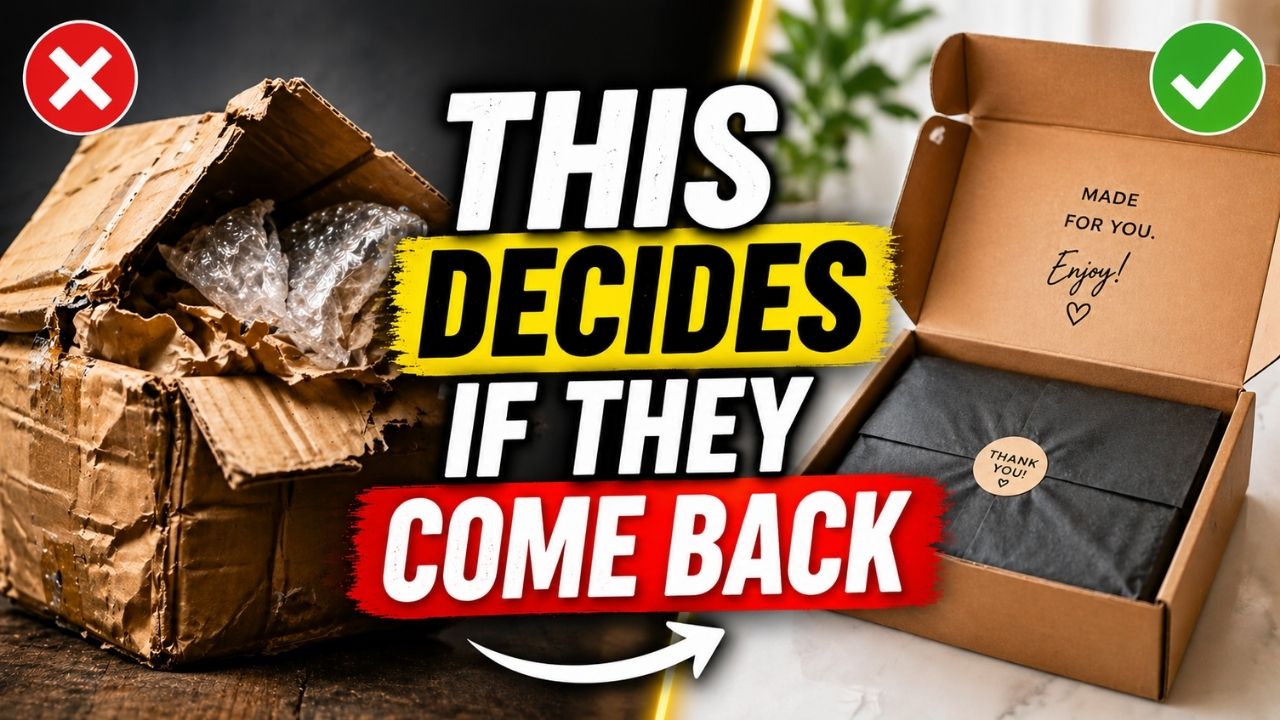
Loyal customers are what make e-commerce work.
They buy again without needing another ad, spend more per order, and they’re easier to retain than replace. And when acquisition costs keep climbing, that difference starts to show up fast in margins.
Most teams say they care about retention. Then they treat packaging and delivery like a cost center. Here’s how you can work those very aspects into the experience of buying from you.
Understanding Customer Loyalty
Customer loyalty relates to repeat purchases, higher lifetime value, and a bit of forgiveness when something goes wrong.
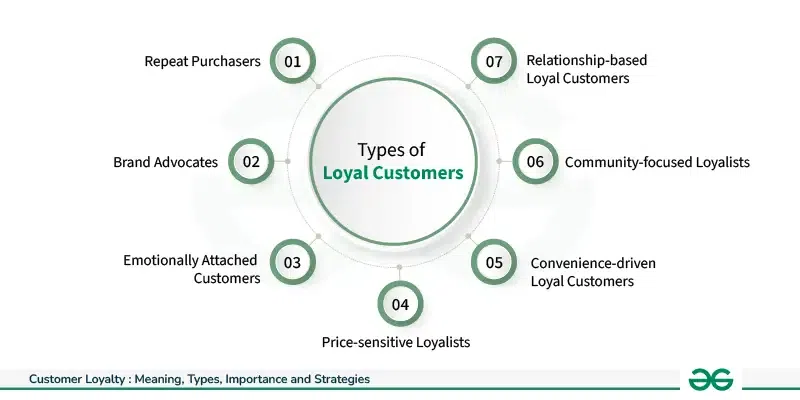
The Harvard Business Review data gets quoted a lot, retention is cheaper than acquisition, and loyal customers are more profitable. That’s true. But the more useful way to think about it is operational: every interaction either reinforces trust or quietly weakens it.
And a lot of those interactions happen after checkout, in the delivery window and tracking page. The box on the doorstep. The first 10 seconds of opening it.
Is Your Business Ready for Professional Order Fulfillment Services?
Take our 3-minute assessment to discover if partnering with a fulfillment service could help scale your business.
Storage Solutions
Optimize your inventory management
Scale Operations
Support your business growth
Save Time
Focus on core business activities
Improve Accuracy
Enhance customer satisfaction
Takes 3 minutes • Get instant results • Free analysis
Business Metrics
Assessment Questions (1-4)
Assessment Questions (5-8)
Assessment Results
The Role of Packaging in Customer Experience
You can usually tell how much a brand values the post-purchase experience just by looking at the box.
If it’s too big, with crushed corners and excessive filler, customers notice. They may not complain, but it shifts how they think about you.
A well-sized, sturdy package that opens cleanly? Different reaction. Feels intentional. Feels like someone thought it through.
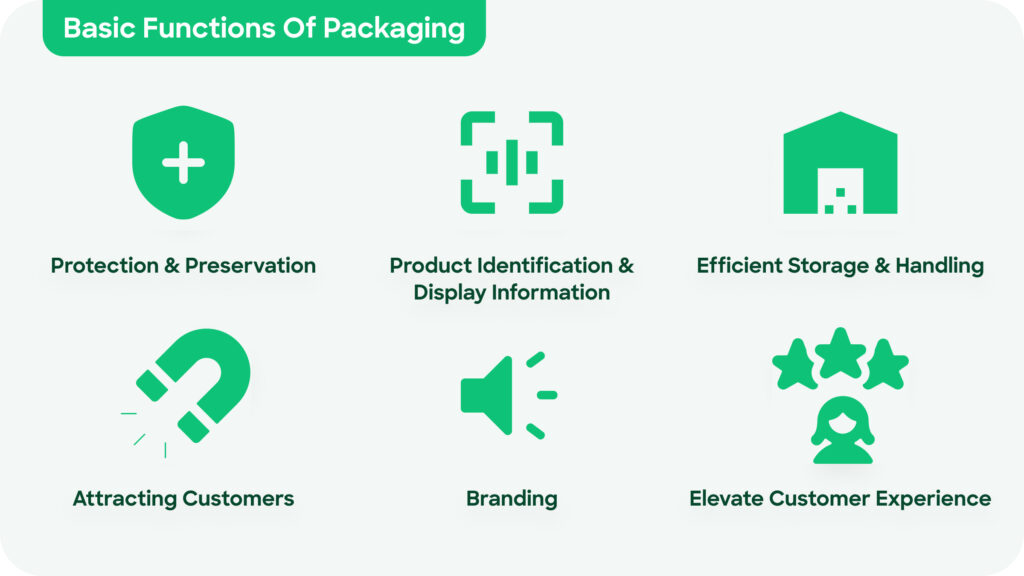
Packaging does a few jobs at once:
- It protects the product through shipping (which is less predictable than people assume).
- It signals brand quality.
- It determines how easy returns will be.
- Increasingly, it reflects whether you take sustainability seriously.
Miss any one of those, and the experience feels off.
Some brands have figured this out. Apple made packaging part of the product experience. Subscription brands like Birchbox leaned into repeat unboxing as a ritual, McKinsey’s subscription research points to how that consistency builds habit over time.
In practice, the improvements that actually move the needle are simple:
- Boxes that fit the product properly (less damage, lower shipping costs).
- Easy-open features that don’t require tools.
- Small, relevant touches, like a note, a sample, or even a QR code, help the customer use what they just bought.
Not everything needs to be delightful. But it should be considered.
Fulfillment with a Personal Touch.
See How Using a 3PL like eFulfillment Service sellers saves time. Get a Free Quote from eFulfillment Service Today!
Delivery Experience as a Customer Loyalty Driver
Speed gets attention. Reliability keeps customers.
That’s the part many teams learn the hard way.
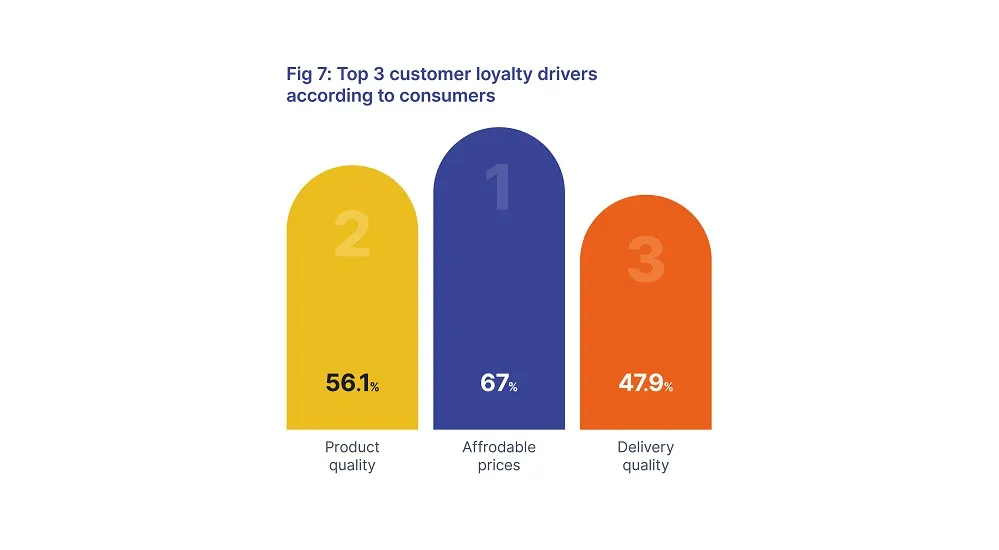
Customers don’t just care about when something arrives, but whether the promise was clear and whether it was kept.
PwC’s research consistently shows that convenience and predictability sit at the center of customer expectations, and one bad experience is often enough to push someone to try another brand.
The gap between placing the order and delivering it is where most anxiety builds. If you send no updates, fail to establish clear timelines, or fail to relay delays.
Wade O’Shea, Founder of BusCharter.com.au, sees the same pattern in transport logistics where customers are relying on timing, not just the outcome.
He says, “Most issues start with silence. If a customer doesn’t know where things stand, they assume the worst and start reaching out. We’ve learned that clear, proactive updates reduce that friction more than speeding things up by a few hours.
When people can see what’s happening and trust the timeline, they’re far more likely to come back, even if the delivery itself wasn’t perfect.”
That’s when trust starts to slip.
The brands that handle this well do a few things consistently:
- They provide tracking that actually updates in real time.
- They set delivery expectations that they can meet.
- They communicate early when something changes.
- They give customers some control over delivery preferences and safe drop-off options.
To provide updates on tracking in real time, you need a stack that meets a few core technical requirements for eCommerce websites, reliable APIs, fast servers, and clean integrations with carriers and 3PLs.
Same-day delivery can work, depending on the category. But for most businesses, clarity beats speed.
A reliable three-day delivery with good communication feels better than a “next-day” promise that misses.
That’s the standard Amazon set, not just speed, but visibility. And now customers expect some version of that everywhere.
Integrating Packaging and Delivery
Customers don’t separate packaging from delivery. Internally, those might sit with different teams or vendors. To the customer, it’s one experience.
If the box is great but arrives late, the experience feels broken. If delivery is smooth but the packaging feels careless, same outcome.
Adrian Iorga, Founder of Stairhopper Movers, works in environments where customers experience every step of the service in real time.
He explains, “From the customer’s perspective, there aren’t separate stages. It’s one continuous experience. If something is handled well early on but breaks down later, that’s what they remember.
We’ve seen that consistency across handoffs matters more than any single ‘great’ moment. People decide whether to trust you again based on whether the whole process felt controlled from start to finish.”
The brands that get this right treat the whole flow as one system.
That usually means:
- Designing packaging with real shipping conditions in mind (not ideal ones).
- Aligning with 3PLs and carriers on handling expectations.
- Making sure tracking, support, and messaging all match.
Returns are part of this, too.
If returning something is complicated, it cancels out a lot of goodwill from the initial experience. If it’s easy with clear instructions and reusable packaging, it actually builds trust. They’re not being penalized for not liking or changing their minds about something.
Technology That Actually Helps
There’s a lot of noise around innovation here. Most of it doesn’t matter.
A few things do.
That same principle shows up behind the scenes as operations scale.
Teams coordinating fulfillment partners, carriers, and SLAs often rely on systems like contract management software to keep responsibilities and timelines clearly defined. When those agreements aren’t structured properly, issues don’t stay internal, they surface as missed expectations, delays, or inconsistent delivery experiences for the customer.
Simple ones first:
- QR codes inside packaging that lead to setup help or relevant next steps.
- Better materials that reduce damage without adding weight.
- Packaging that’s easier to recycle or reuse.
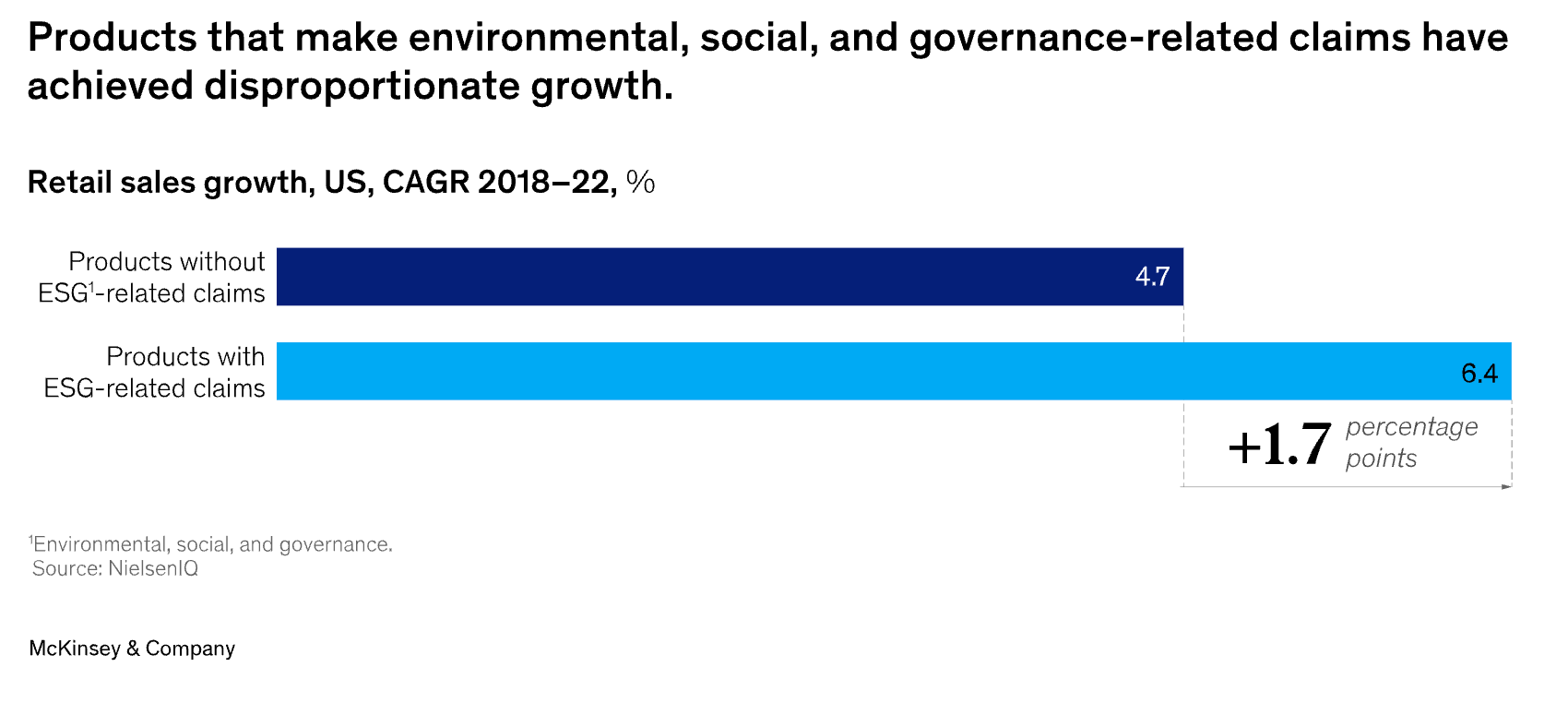
McKinsey’s research shows sustainability is becoming a real decision factor, not for every customer, but for enough of them that it affects repeat behavior.
On the delivery side, the biggest gains are less visible:
- Route optimization (like UPS’s ORION system) reduces delays and costs at scale.
- Better logistics planning reduces damage and missed deliveries.
Drones and robots get headlines. Most brands don’t need them. What matters is consistency.
Challenges That Actually Show Up
Everything costs money. Better materials, smarter packaging design, faster or more reliable shipping, tracking tools, and branded inserts.
It adds up quickly.
Nick Wiese, Regional Vice President at Alpha Heating & Air, sees the same cost-versus-impact tension in service operations.
He says, “It’s easy to assume that improving the experience always means spending more, but that’s not usually where the gains come from.
We’ve found that small changes, like clearer communication windows or setting expectations properly upfront, reduce callbacks and complaints more than adding more resources. The key is identifying what actually removes friction for the customer, not just what looks like an upgrade internally.”
There’s also the environmental side. Packaging waste is a real issue, EPA data puts containers and packaging as a significant share of municipal waste. Customers notice that too, especially when it feels excessive.
The teams that handle this well don’t guess. They test:
- Upgrade packaging for a subset of orders.
- Track repeat purchase rates.
- Measure returns and damage rates.
- Adjust based on what actually improves retention.
Some changes pay for themselves quickly.
What This Comes Down To
Packaging and delivery are where your brand stops being digital.
They’re physical. Visible. Harder to ignore.
A box that arrives on time, protects what’s inside, opens easily, and doesn’t create unnecessary waste, paired with delivery that feels predictable and transparent, does more for retention than most on-site optimizations.
You don’t need to overhaul everything at once. Open your own orders as a customer would.
Track them without internal access. Notice where it feels smooth and where it doesn’t.
Explore how your packaging, shipping, and returns could work together more smoothly at eFulfillment Service.

About the Author
Brooke Webber is a passionate advocate for a people-first strategy in HR. Her major focus areas are workplace psychology and employee listening, where she has already accumulated five years of writing experience.

0 Comments