Quick Answer:
FBA still wins for lightweight, fast-moving products in competitive categories. FBM (or a 3PL hybrid) is now the smarter choice for heavy items, slow-movers, and brands that care about the unboxing experience. In 2026, Amazon added a 3.5% logistics surcharge, new price-tiered fulfillment fees, and inbound placement fees that can run up to $6.50/unit—so the math matters more than ever.
New to this? Here’s the 10-second version of FBA vs. FBM:
FBA (Fulfillment by Amazon): You ship your inventory to Amazon’s warehouses. They store it, pick and pack orders, ship to customers, and handle returns. You get the Prime badge automatically. You pay Amazon fees for all of it. FBM (Fulfillment by Merchant): You (or a fulfillment partner like a 3PL) handle storage and shipping yourself. No automatic Prime badge, but you control costs, packaging, and the customer experience. Most sellers use FBA as a default. Whether that’s still the right call in 2026 is exactly what this article covers.
Amazon has been quietly (and not-so-quietly) shifting the cost of its logistics network onto sellers. The fee structure in 2026 is more complex than it’s ever been: fulfillment fees now vary by the price of your item, inbound placement carries a per-unit charge unless you split shipments to five or more locations, and aged inventory penalties now kick in at just 181 days instead of the old 271-day threshold.
If you’ve been defaulting to FBA because it’s easier, it’s time to run the numbers again.
What Changed in 2026 That You Actually Need to Know
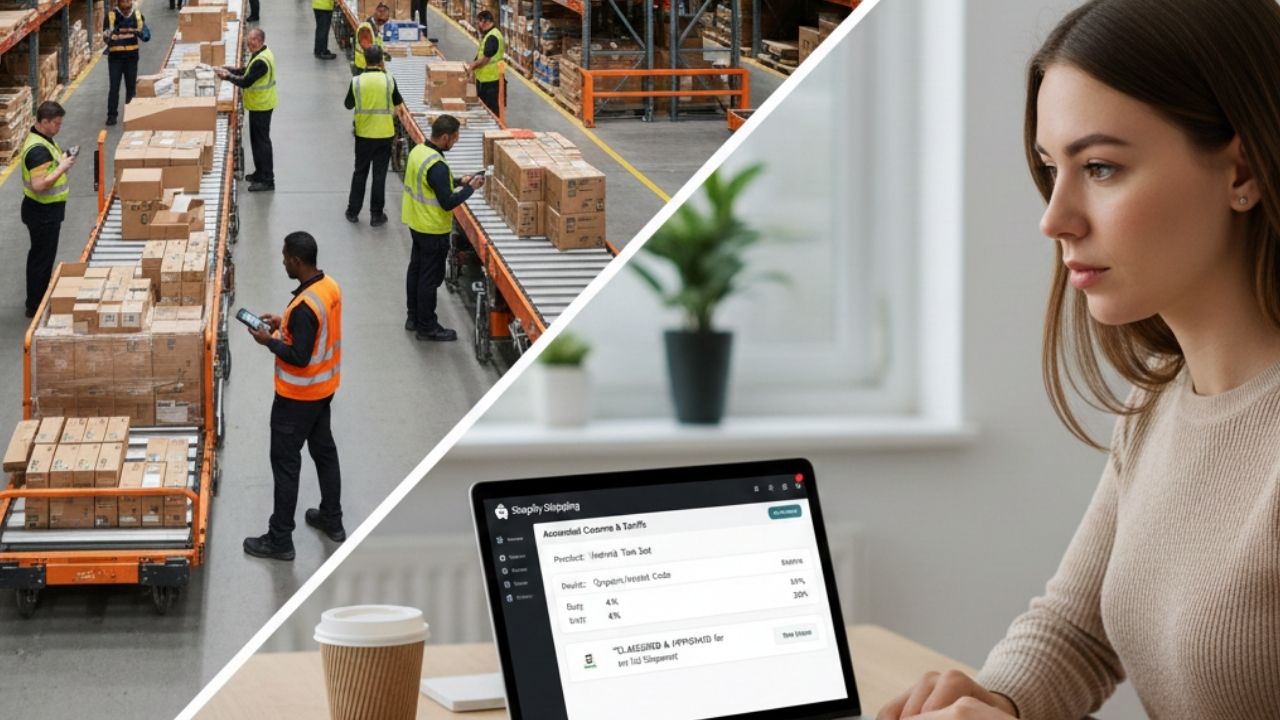
Amazon rolled out several major changes in early 2026 that affect every FBA seller:
- Price-tiered fulfillment fees — the same item now costs different amounts to fulfill depending on whether it sells for under $10, $10–$50, or over $50
- 3.5% fuel and logistics surcharge — effective April 17, 2026, applied on top of fulfillment fees for all US and Canadian FBA orders
- Expanded inbound defect fees — penalties jumped from $0.02–$0.07/unit to as high as $5.72/unit for standard items and $8.25 for bulky
- Aged inventory threshold dropped to 181 days — down from 271 days, meaning slower-moving inventory gets penalized sooner
These aren’t minor tweaks. For high-volume sellers, the April surcharge alone can add thousands of dollars per month in overhead. An enterprise moving 50,000 units monthly on a $5.00 average fulfillment fee sees an additional $8,750/month just from that one line item.
How FBA Fulfillment Fees Work Now: The Price Bracket System
The shift to price-based tiers is the biggest structural change to fulfillment fees in years. The idea is straightforward: Amazon argues that a $7 item and a $70 item have different handling risk, so they charge accordingly. In practice, it creates a pricing puzzle for sellers who list across multiple price points.
Here’s what standard-size fulfillment fees look like under the 2026 rate card (before the 3.5% surcharge):
| Size Tier | Shipping Weight | Under $10 | $10–$50 | Over $50 |
|---|---|---|---|---|
| Small Standard | 2 oz or less | $2.43 | $3.32 | $3.58 |
| Small Standard | 6–8 oz | $2.66 | $3.54 | $3.80 |
| Small Standard | 14–16 oz | $2.95 | $3.96 | $4.22 |
| Large Standard | 4 oz or less | $3.15 | $3.92 | $4.18 |
| Large Standard | 1–1.25 lb | $4.52 | $5.29 | $5.55 |
| Large Standard | 2.75–3 lb | $5.85 | $6.62 | $6.88 |
Rates effective January 15, 2026. Add 3.5% surcharge on top of these figures.
Items priced under $10 get a small discount (~$0.86/unit) through the Low-Price FBA program. Items over $50 pay a premium. The practical implication: if you sell a product at $49.99 vs. $50.01, you’re in two different fee brackets.
The 3.5% Surcharge: Small Number, Big Impact at Volume
The fuel and logistics surcharge went live April 17, 2026. It applies to all US and Canadian FBA orders, plus Multi-Channel Fulfillment and Amazon’s cross-border program into Mexico and Brazil.
The math on this is simple but important at scale:
| Monthly Units | Avg Fulfillment Fee | Surcharge Added |
|---|---|---|
| 5,000 | $5.00 | $875/month |
| 20,000 | $5.00 | $3,500/month |
| 50,000 | $5.00 | $8,750/month |
That’s not a rounding error, it’s a real line item in your P&L. And it’s applied to fulfillment fees, not sale price, so it doesn’t scale down if your margins are thin.
Inbound Placement Fees: The Hidden Tax on Sending Inventory to Amazon
This is the fee most sellers underestimate until it hits them. When you create a shipment plan, Amazon now wants you to distribute inventory across multiple fulfillment centers. If you don’t, you pay for it.

Three options, three different cost structures:
Amazon-Optimized Shipment Split — Send to 5+ locations, pay $0 in placement fees. But you’re eating the inbound freight cost to multiple warehouses and the internal labor to process separate shipments.
Minimal Shipment Split — Send to 1 location, pay per-unit placement fees. Simpler operationally, but it costs you:
| Size Tier | Weight Band | Minimal Split Fee |
|---|---|---|
| Small Standard | 8 oz or less | $0.14–$0.32/unit |
| Large Standard | 12 oz or less | $0.20–$0.40/unit |
| Large Standard | 1.5–3 lb | $0.34–$0.60/unit |
| Large Standard | 15–20 lb | $0.55–$1.90/unit |
| Small Bulky | 0–50 lb | $1.10–$1.60/unit |
| Large Bulky | 0–50 lb | $1.30–$6.50/unit |
On a 1,000-unit shipment of large bulky items, you could be looking at $1,300–$6,500 in placement fees alone—before you’ve sold a single unit.
We see this constantly with sellers who contact us after getting sticker shock from their first placement fee invoice. The sellers who can’t manage multi-destination inbound logistics are the ones most likely to benefit from a 3PL setup.
Inbound Defect Fees: The Stakes Got Much Higher
Amazon’s quality control penalties used to be largely symbolic. A $0.02–$0.07/unit fee for a labeling mistake was annoying but survivable. In 2026, that changed significantly.
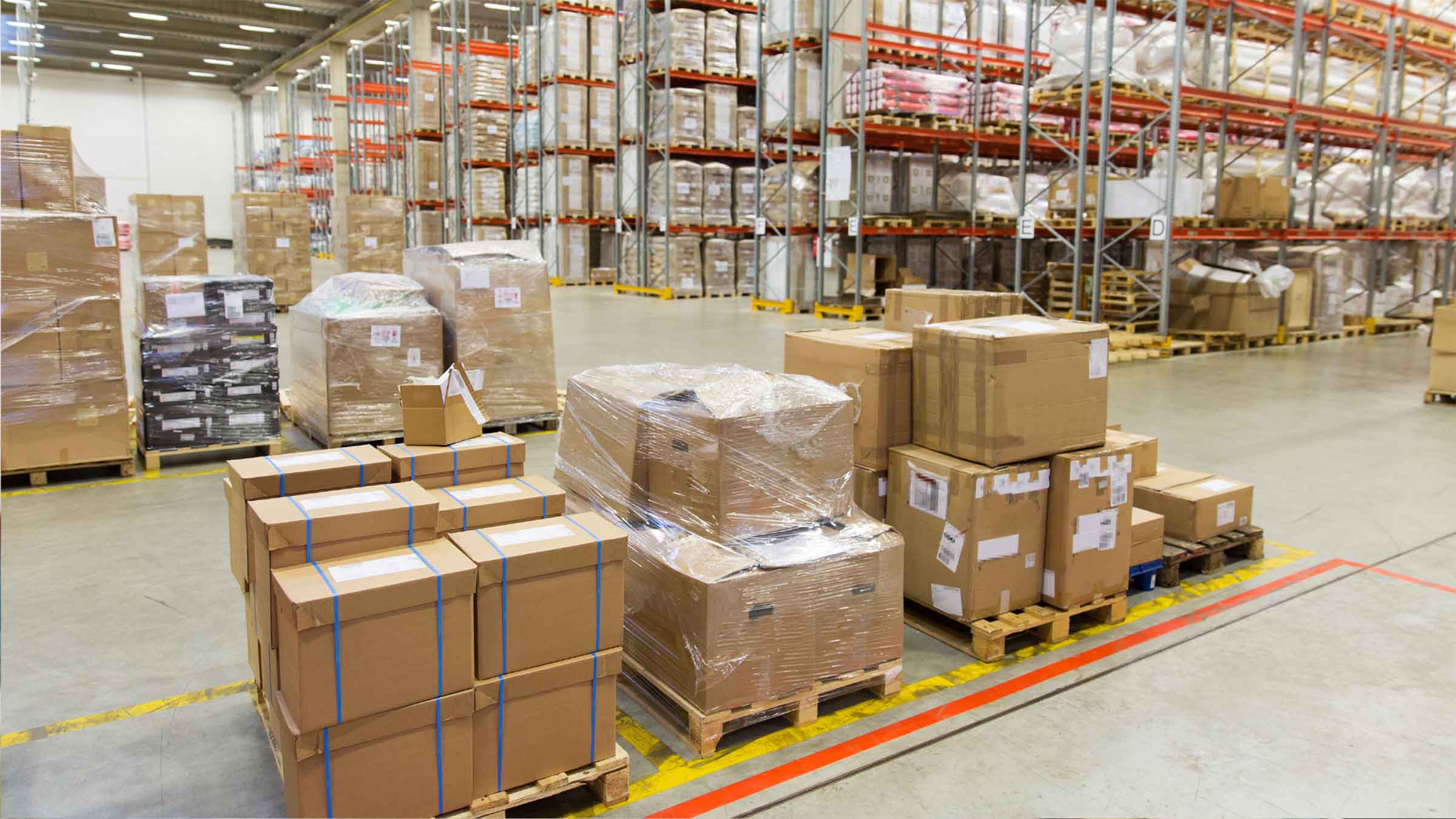
Inbound defect fees now range from $0.32 to $5.72/unit for standard items and up to $8.25/unit for bulky products. These trigger when you mislabel units, ship to the wrong warehouse, or have a shipment that doesn’t arrive within the 30-day window.
On a 1,000-unit shipment, one misrouting error can cost $5,720. That can erase your entire margin for that inventory cycle.
This is one area where working with a 3PL that has solid FBA prep experience pays for itself. EFS handles FBA prep as part of our fulfillment services—labeling, bundling, poly-bagging, and shipment routing to the right fulfillment centers—so defect fees don’t become a recurring line item. In our experience, prep errors are almost always a training or process problem, not a one-time mistake, and the cost compounds fast.
Storage Fees and the Aged Inventory Penalty: The Slow Killer
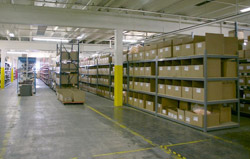
Monthly storage fees for standard-size items run $0.87/cubic foot (January–September) and spike to $2.40/cubic foot in Q4. For comparison, independent 3PL storage averages around $0.46/cubic foot. FBA storage is expensive even before you factor in aging penalties.
The aged inventory surcharge (formerly called LTSF) now starts at 181 days—cut down from the previous 271-day threshold. And the fees escalate sharply:
| Days in Storage | Surcharge (per cubic foot) |
|---|---|
| 181–210 | $0.50 |
| 211–240 | $1.00 |
| 241–270 | $1.50 |
| 271–300 | $5.45 |
| 301–330 | $5.70 |
| 331–365 | $5.90 |
| 366+ | $6.90 (or $0.15–$0.35/unit, whichever is greater) |
That jump from $1.50 at 270 days to $5.45 at 271 days is steep. It’s Amazon’s clearest signal yet: get slow inventory out or pay for it.
FBM sellers using a 3PL don’t face these tiered penalties. Most 3PLs charge flat storage rates regardless of how long inventory has been sitting.
The Low-Inventory Fee: A Penalty for Running Out
Introduced in mid-2024 and tightened in 2026, the low-inventory-level fee charges sellers when their stock falls below a historical days-of-supply threshold (28 days for most items, extended to 35 days for some tiers in 2026). When stock drops below that threshold, you pay $0.89–$1.11 per unit sold until you restock.
This puts sellers in a bind: keep too much inventory and face storage/aging fees. Keep too little and face low-inventory fees. It’s a narrow band to operate in.
The good news for FBM sellers: this fee doesn’t apply to FBM listings at all. That’s a meaningful advantage for anyone with unpredictable demand or stretched supply chains.
FBA vs FBM: The Actual Math
Here’s the framework for a proper per-unit profitability comparison. Both models need to account for more than just the obvious line items.
FBA vs FBM per-unit profit calculator branded for eFulfillment Service. Enter your product details to compare net profit under both Amazon fulfillment models.
FBA inputs
FBM / 3PL inputs
FBA Net Profit per Unit: Selling Price − Referral Fee − Base Fulfillment Fee − 3.5% Surcharge − Storage Cost − Placement Fee − Inbound Freight − Returns Processing − COGS
FBM Net Profit per Unit: Selling Price − Referral Fee − Outbound Shipping − Pick & Pack Labor − Packaging Materials − Storage Cost − Return Label Cost − COGS
The comparison isn’t just fulfillment fee vs. shipping cost. FBA also carries inbound freight, placement fees, and potential aging/low-inventory fees. FBM carries labor, packaging, and the cost of maintaining your own (or a 3PL’s) warehouse operation.
For lightweight, fast-moving items, FBA usually wins. For heavier products or slow movers, the numbers often flip.
Buy Box, Prime Badge, and Conversion: The Case for FBA
The qualitative argument for FBA is real and shouldn’t be dismissed. Products with the Prime badge convert 20–30% better than non-Prime listings. In competitive categories, an FBA offer within 1–2% of an FBM price will typically win the Buy Box.
For commodity products—anything where multiple sellers offer the same or similar item—FBA isn’t just a convenience. It’s often a prerequisite for staying visible.
When FBM Beats FBA: Three Clear Cases
1. Heavy or bulky products. Anything over 3 pounds starts accumulating steep surcharges in FBA, and large bulky items can face placement fees of $1.30–$6.50/unit on every inbound shipment. At EFS, our SaverShip program is specifically designed for heavy products, offering discounted carrier rates that make FBM economics work much better for these items. [INTERNAL LINK: SaverShip program page]
2. Slow-moving or seasonal inventory. If there’s any chance your product sits for more than 180 days—holiday items, niche goods, new product launches that don’t catch fire immediately—FBA’s aging surcharges will eat you alive. A 3PL gives you flat, predictable storage costs without the cliff at the 181-day mark.
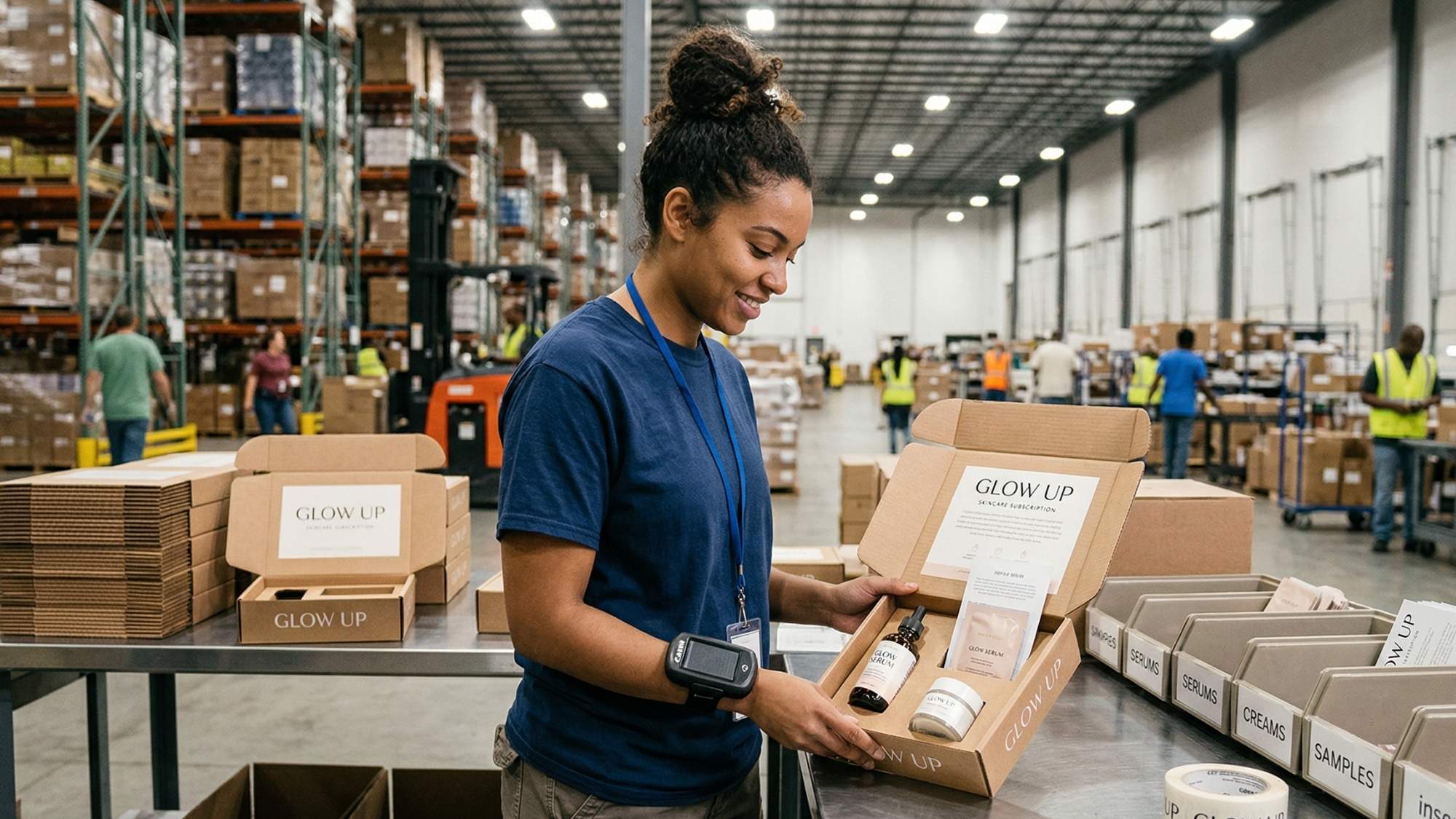
3. Brands that care about the unboxing experience. Amazon ships in Amazon boxes. No inserts, no branded packaging, no thank-you cards. For a brand where the customer experience matters, FBM (or a 3PL partner) is the only way to control what a customer sees when they open the box. We ship 76,000+ unique SKUs across 20 box sizes—and we never use styrofoam peanuts, which most brand-conscious sellers appreciate as much as their customers do.
Is Your Business Ready for Professional Order Fulfillment Services?
Take our 3-minute assessment to discover if partnering with a fulfillment service could help scale your business.
Storage Solutions
Optimize your inventory management
Scale Operations
Support your business growth
Save Time
Focus on core business activities
Improve Accuracy
Enhance customer satisfaction
Takes 3 minutes • Get instant results • Free analysis
Business Metrics
Assessment Questions (1-4)
Assessment Questions (5-8)
Assessment Results
Seller Fulfilled Prime: The Third Option Nobody Talks About Enough
SFP lets you keep the Prime badge without paying FBA fulfillment fees—but it’s genuinely hard to qualify for and harder to maintain.
The requirements are strict:
| Stage | Valid Tracking | Cancellation Rate | On-Time Delivery Rate |
|---|---|---|---|
| Trial | ≥ 99.0% | ≤ 0.5% | ≥ 93.5% |
| Maintenance | ≥ 99.0% | ≤ 0.5% | ≥ 93.5% |
Speed targets as of November 2025:
- Standard-size: 30% of orders must show ≤ 1-day promise; 70% must show ≤ 2-day
- Oversize: 10% at ≤ 1-day; 45% at ≤ 2-day
- Extra Large: 15% at ≤ 2-day; no 1-day requirement
Meeting these targets across the country almost always requires multiple warehouse locations or expensive air shipping. For most sellers, SFP ends up costing more than FBA unless you already have a well-distributed fulfillment network.
Fulfillment with a Personal Touch.
See How Using a 3PL like eFulfillment Service sellers saves time. Get a Free Quote from eFulfillment Service Today!
The Hybrid Model: How the Best Sellers Actually Operate
The most successful Amazon sellers in 2026 don’t pick one model and stick with it. They run both:
- FBA for the top 20% of SKUs — your bestsellers, competitive commodities, anything where the Prime badge and Buy Box advantage matter
- FBM for long-tail variants — colors, sizes, accessories that move slowly and would rack up placement fees and storage charges in FBA
- FBM as a stock-out safety net — keep an active FBM listing on every FBA product. If FBA stock runs out or a shipment gets stuck, your listing stays live and you don’t lose search rank
- FBM for new product launches — test demand without committing to multi-location inbound or risking low-inventory fees before velocity is established
This is where a 3PL relationship pays off most clearly. Having a fulfillment partner handle the FBM side means you can run both models without building warehouse infrastructure.
Which Model Should You Choose? A Decision Framework
| Situation | Recommendation |
|---|---|
| Lightweight (<1 lb), fast-moving, competitive category | FBA |
| Heavy or bulky items (3+ lb) | FBM / 3PL |
| Inventory that may sit 180+ days | FBM / 3PL |
| Branded goods needing custom packaging | FBM / 3PL |
| New product with uncertain demand | FBM first |
| Commodity with multiple competing sellers | FBA |
| High operational complexity you want to outsource | FBA or 3PL-assisted FBM |
Referral Fees: The Category-Specific Surprises
Referral fees get simplified to “about 15%” in most guides, but the actual rate card has meaningful exceptions:
- Clothing under $15: 5% referral fee (down from 15%, to compete with Shein/Temu)
- Clothing $15–$20: 10%
- Jewelry: 20% on the first $250, significantly lower above that threshold
- Books, DVDs, software: 15% + a flat $1.80 closing fee per unit — on a $10 used book, that’s a 33% effective take rate
These category quirks can make or break a product’s FBA viability independent of fulfillment fees. Run the category-specific referral fee before you run anything else.
Take the Guesswork Out of Fulfillment
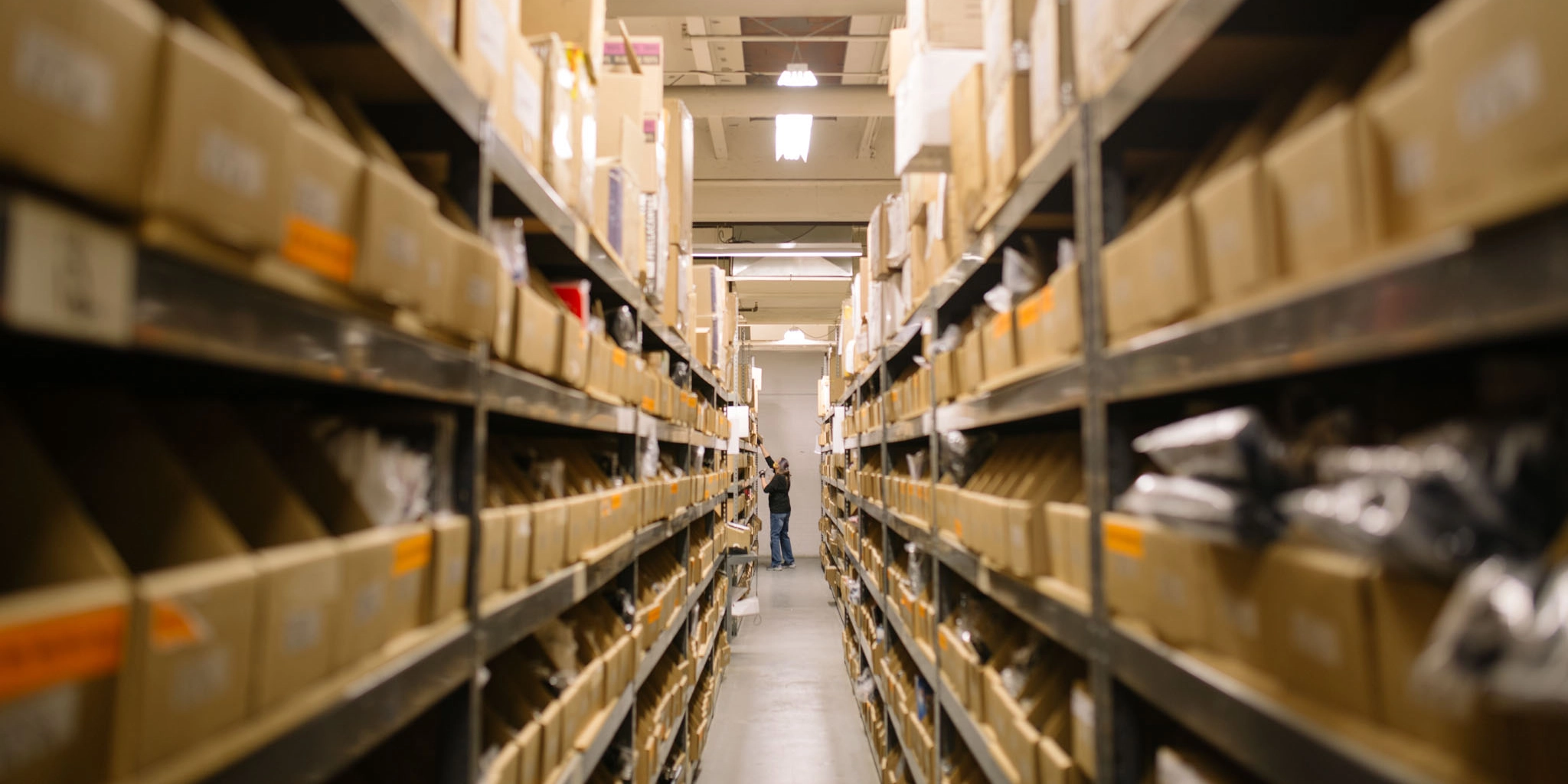
The fees are complex. The right answer depends on your specific product mix, price points, inventory velocity, and brand requirements. What’s clear is that defaulting to one model without running the numbers is now expensive enough to matter.
If you’re selling heavy products, running a hybrid strategy, or just tired of Amazon’s fee structure eating your margins, eFulfillment Service has been helping small-to-medium ecommerce sellers navigate exactly this for 25+ years. We handle warehousing, order fulfillment, kitting, returns, and shipping.
FBA vs. FBM FAQs
What's the difference between FBA and FBM on Amazon?
FBA (Fulfillment by Amazon) means you send inventory to Amazon’s warehouses and they handle storage, packing, and shipping. FBM (Fulfillment by Merchant) means you or a third-party fulfillment partner handles storage and shipping directly. FBA gives you the Prime badge and Buy Box advantage; FBM gives you more control over costs and the customer experience.
Is FBA still worth it in 2026 after all the fee increases?
For lightweight, fast-moving products in competitive categories, yes. The Prime conversion lift (20–30% higher conversion rates) and Buy Box advantage are real. But for heavy items, slow-movers, or products where your margin is thin, the 2026 fee stack—price-tiered fulfillment fees, the 3.5% surcharge, placement fees, and tightened aged inventory penalties—can make FBM more profitable.
What is the new 3.5% surcharge and when does it apply?
Amazon’s fuel and logistics-related surcharge took effect April 17, 2026. It’s applied to FBA fulfillment fees (not the sale price) for all US and Canadian orders, including Multi-Channel Fulfillment. It also applies to Amazon’s cross-border programs for Mexico and Brazil. At scale, it adds meaningful monthly costs—$8,750/month for a seller moving 50,000 units at a $5.00 average fulfillment fee.
What is the FBA inbound placement fee?
When you create a shipment plan in Seller Central, Amazon now charges a per-unit fee if you want to send inventory to a single fulfillment center (Minimal Shipment Split). The alternative—Amazon-Optimized Shipment Split—requires sending to 5+ locations but carries no placement fee. Fees for minimal split range from $0.14/unit for light standard items to $6.50/unit for large bulky products.
What is Seller Fulfilled Prime and should I use it?
SFP lets you display the Prime badge while fulfilling orders yourself or through a 3PL. The requirements are strict: ≥99% valid tracking, ≤0.5% cancellation rate, and ≥93.5% on-time delivery. You also need to meet aggressive delivery speed targets nationwide. It makes the most sense for sellers who already have a strong, distributed fulfillment operation—otherwise, the cost of meeting SFP standards often exceeds what you’d pay in FBA fees.
When do Amazon's aged inventory surcharges kick in?
2026, the aged inventory surcharge starts at 181 days (down from 271 days in prior years). Fees start at $0.50/cubic foot at 181 days and escalate sharply—hitting $5.45/cubic foot at 271 days, with a maximum of $6.90/cubic foot for inventory over one year old. Items with unpredictable sell-through (seasonal goods, niche products, new launches) are most at risk.
What's a 3PL and how does it fit into the FBA vs FBM decision?
A third-party logistics provider (3PL) warehouses your inventory and fulfills orders on your behalf—similar to FBA but without Amazon’s fee complexity, branding restrictions, or aging penalties. A 3PL is often the best fit for FBM sellers who don’t want to run their own warehouse, sellers with heavy or oversized products, and anyone running a hybrid FBA/FBM strategy. eFulfillment Service is a 3PL based in Michigan with over 25 years of experience serving ecommerce sellers.

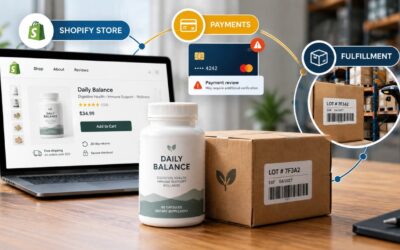
Articles like this are a good reminder that fulfillment decisions aren’t as simple as “FBA is better” or “FBM is better.” I’ve used both, and the right choice really depends on the product. For fast-moving items, FBA can still make sense because of Prime eligibility and convenience. But for slower-moving or niche products, the fees can add up quickly, especially as fulfillment and storage costs continue to change.
That’s one reason I’ve been spreading inventory across different sales channels.
The downside is that managing inventory across multiple platforms takes more effort. Still, having a mix of marketplaces has given me more flexibility instead of depending entirely on one platform’s fees, fulfillment model, or policy changes.
One point that stood out is the idea that there’s no universal winner between FBA and FBM—it really depends on the product and the numbers behind it. The same mindset applies to where you sell. Many merchants are also spreading their catalog across multiple marketplaces instead of relying on one channel.