
Quick Answer: Dunnage is the protective material inside a shipping box — air pillows, bubble wrap, kraft paper, foam inserts, and similar fillers — that keeps products from shifting, colliding, or breaking during transit. Choosing the wrong dunnage (or too much of it) can quietly increase your shipping costs and damage rates at the same time.
What Is Dunnage?
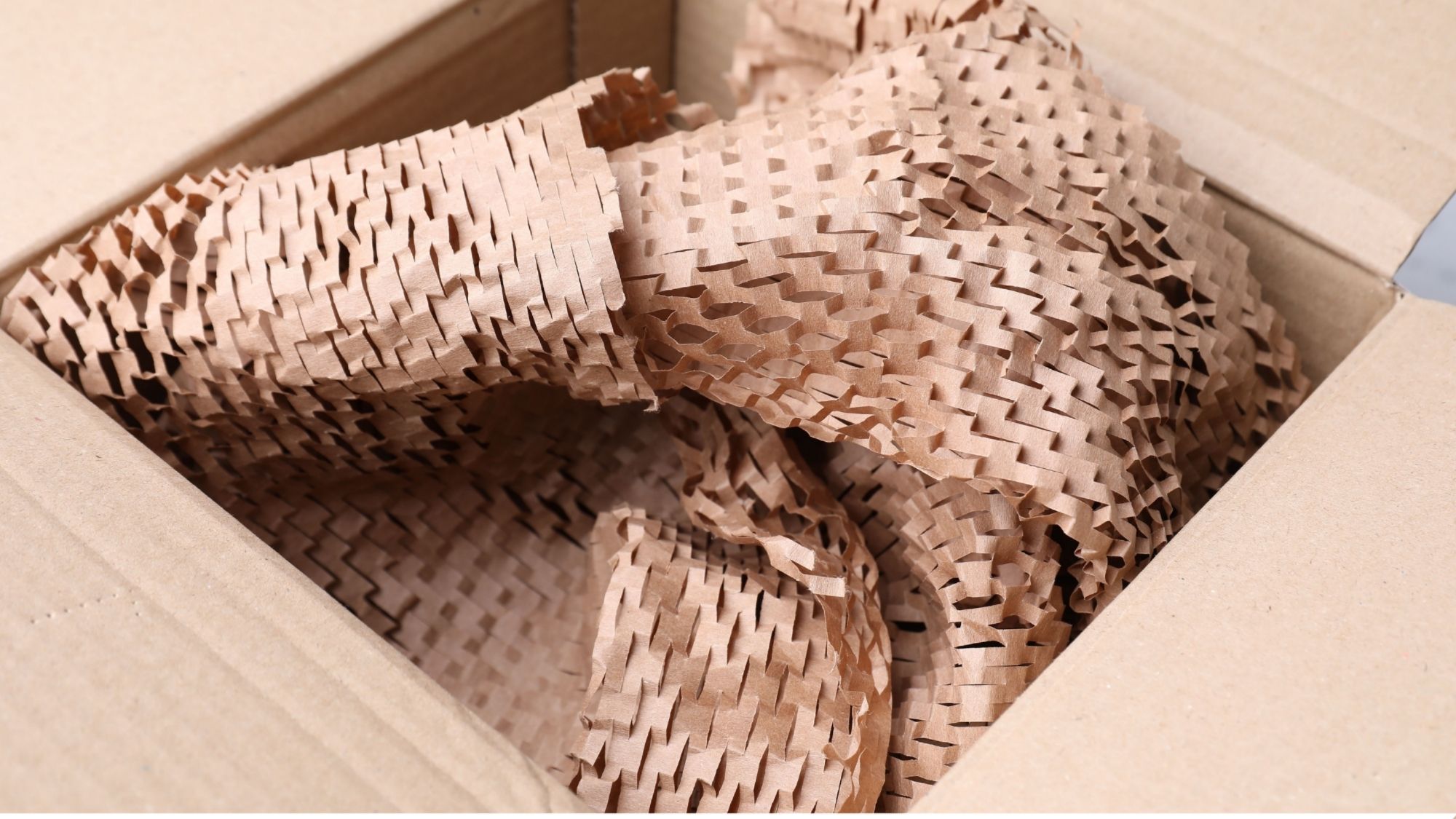
Dunnage is any material packed inside a shipping container to protect what’s inside. That includes air pillows, bubble wrap, kraft paper, foam cutouts, crinkle paper, wood blocks, corrugated inserts — anything that fills space, absorbs impact, or keeps products from moving.
The word dates back to 15th-century maritime shipping, where sailors stuffed loose rope and timber into cargo holds to keep freight off wet decks during rough seas. Today the stakes are a little different: your cargo is probably a skincare set or a set of wine glasses, and the ship is a delivery van bouncing down the highway.
The core job hasn’t changed: keep things from moving, and absorb the hits when they come.
Why Dunnage Directly Affects Your Bottom Line

Here’s a number that should get your attention: roughly 18% of packages arrive damaged when they don’t have adequate interior protection. Each one of those represents a return, a refund, a replacement shipment, and a customer who may not come back.
But damaged products aren’t the only cost. Carriers like UPS and FedEx charge based on dimensional weight — meaning a box stuffed with bulky, airy filler can cost significantly more to ship even if the product itself is light. We’ll get into the math below.
Done right, dunnage:
- Prevents products from shifting and colliding inside the box
- Absorbs impact from drops, tosses, and conveyor belt rides
- Fills void space without inflating your box size unnecessarily
- Signals to your customer that care went into their order
Done wrong, it quietly eats your margins from two directions at once — damage costs and excess shipping fees.
Types of Dunnage and When to Use Each
Not every product needs the same protection. Here’s a practical breakdown:
| Material | Best For | Approx. Cost/Use | Watch Out For |
| Air Pillows | Light items, large voids | $ | Can pop; poor for sharp-edged items |
| Bubble Wrap | Fragile items (glass, electronics) | $ | Storage-heavy; often non-recyclable |
| Kraft Paper | Books, apparel, general void fill | $ | Heavier than air; more labor to apply |
| Packing Peanuts | Irregular shapes, small parts | $ | Messy; polystyrene versions create static |
| Crinkle Paper | Subscription/gift packaging | $$ | Better for presentation than protection |
| Foam Inserts | High-value or fragile electronics | $$$ | Custom molds = higher upfront cost |
| Corrugated Honeycomb | Heavy/bulky items, furniture | $$ | Less flexible for irregular shapes |
| Molded Plastic Trays | Industrial parts, closed-loop shipping | $$$$ | High tooling cost; strong long-term ROI |
A note from experience
In our 25+ years running a fulfillment operation, one thing we see constantly: sellers over-packing because they’re worried about damage, then getting hit with higher DIM weight charges they didn’t anticipate. The answer isn’t less protection — it’s choosing protection that’s sized right for the product.
The DIM Weight Problem (and How Dunnage Makes It Worse)
This is one of the sneakiest costs in ecommerce shipping.
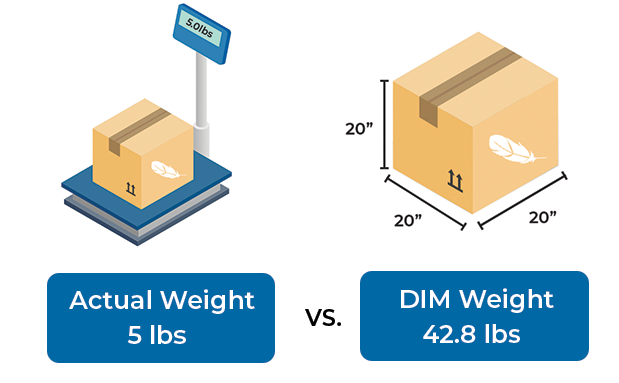
Carriers don’t only charge by how much your package weighs. They charge by whichever is greater: the actual weight or the dimensional (DIM) weight, which is calculated from the physical size of the box.
The formula:
DIM Weight = (Length × Width × Height) ÷ DIM Factor
|
Carrier |
DIM Factor |
|
UPS / FedEx (domestic) |
166 |
|
DHL / International |
139 |
Example: A product that weighs 4 lbs, shipped in a box that calculates to a DIM weight of 12 lbs? You’re paying for 12 lbs. Using an oversized box and piling in fluffy filler to compensate can increase your per-shipment cost by 20–30%.
The fix: Right-size your boxes first, then choose the most space-efficient dunnage that still does the job. Air pillows, for instance, consist almost entirely of air — they arrive at the warehouse as flat rolls, take up minimal storage space, and add negligible weight.
At eFulfillment Service, we stock 20 different box sizes specifically to match the right container to each order. That one practice alone makes a consistent difference in monthly carrier costs for our clients.
Eco-Friendly Dunnage Options Worth Knowing
70% of shoppers now say they prefer sustainable packaging — and environmental regulations are tightening in markets like California and the EU. Here are the options that are actually viable, not just trendy:
Recycled Kraft Paper The easiest swap. Cheap, widely available, curbside recyclable, and works for a huge range of product types. It adds a bit more weight than air-based options, but for most applications it’s the right call.
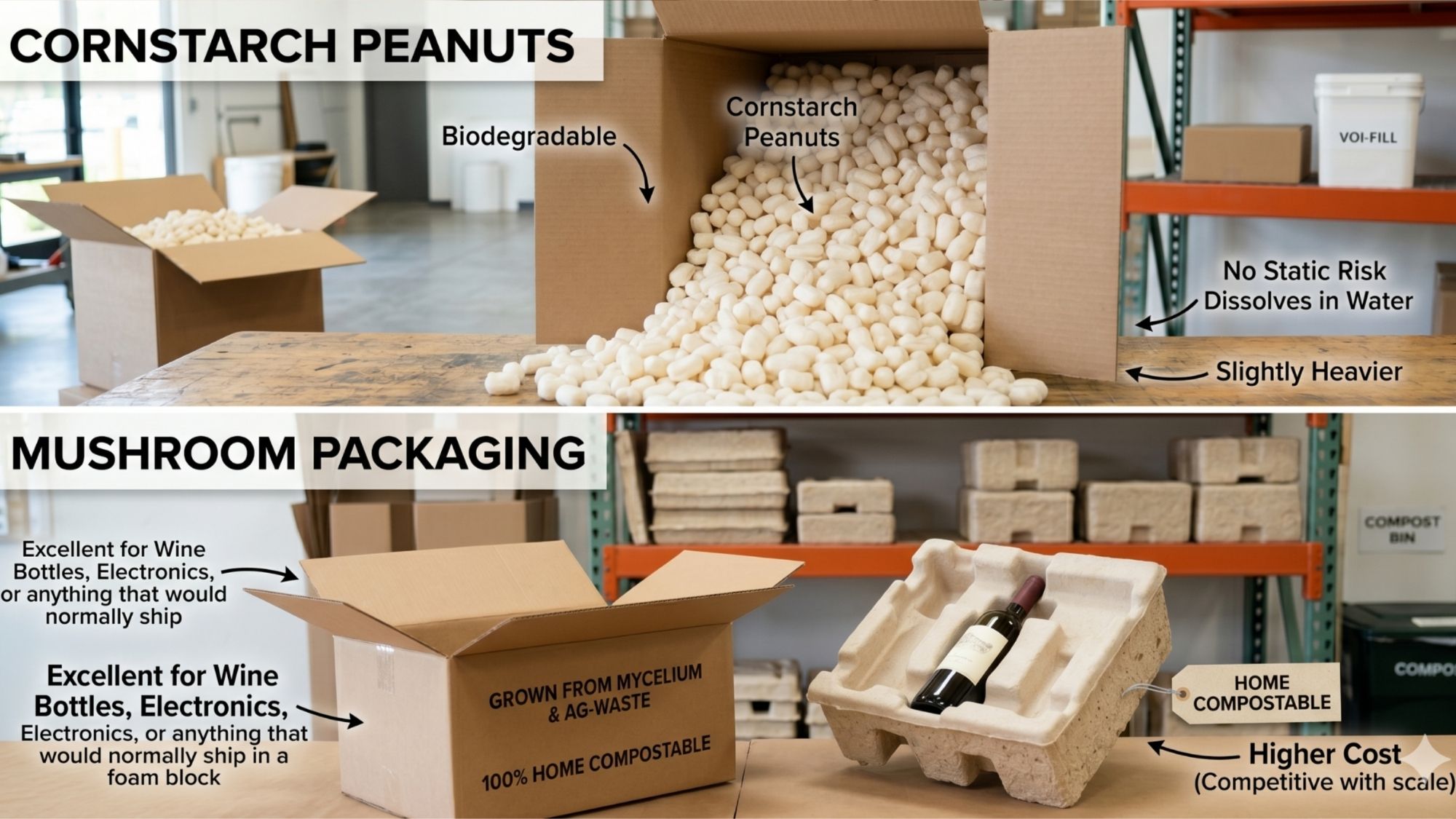
Cornstarch Peanuts These dissolve in water and don’t carry the static risk of polystyrene. They’re slightly heavier, which is worth factoring into DIM weight calculations for light shipments.
Mushroom Packaging Grown from agricultural waste and mycelium (fungi root structure), then shaped to fit specific products. 100% home-compostable. Excellent for wine bottles, electronics, or anything that would normally ship in a foam block. Higher cost, but increasingly competitive as production scales.
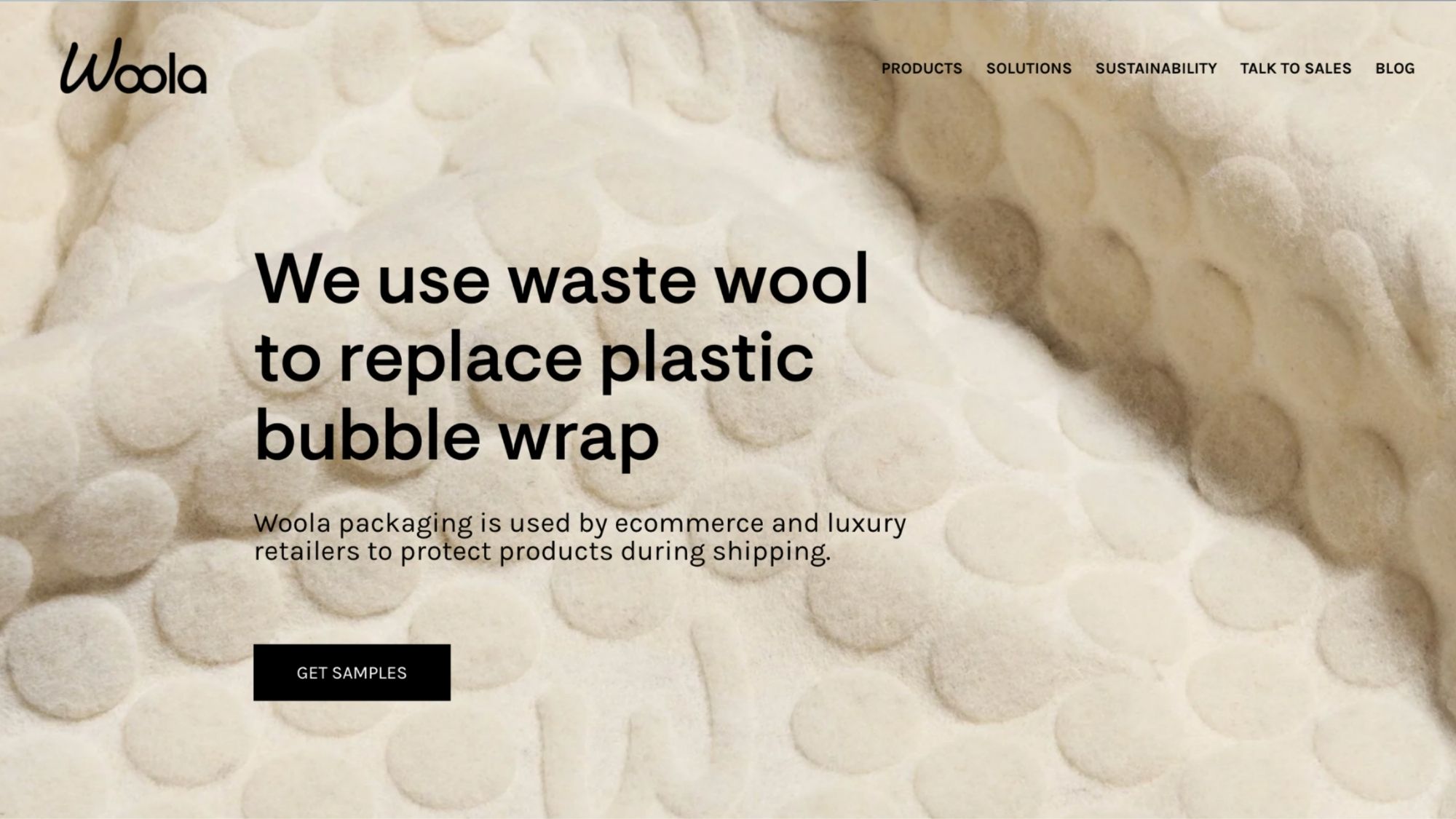
Wool-Based Wrap (e.g., Woola) Made from leftover sheep wool — elastic, water-repellent, and surprisingly effective for fragile or high-end items. Works well for cosmetics and glassware.
We’ve already eliminated traditional styrene packing peanuts across our entire fulfillment operation. Our clients didn’t need to change anything on their end — we handled the switch and it’s now just how we operate. Learn more about our sustainable fulfillment practices →
Product-Specific Packing Tips

Electronics and Tech
- Use anti-static bubble wrap or anti-static cornstarch peanuts — regular polystyrene generates static that can damage circuit boards
- Custom foam inserts provide the best structural protection for fragile or high-value devices
- Avoid standard polystyrene peanuts entirely with electronics

Apparel and Soft Goods
- Kraft paper or tissue paper is usually enough for void fill
- For anything high-end or shipping long distances, seal the garment in a poly bag first — condensation during transit is a real problem that’s easy to prevent
- Moisture-wicking paper adds extra protection at minimal cost
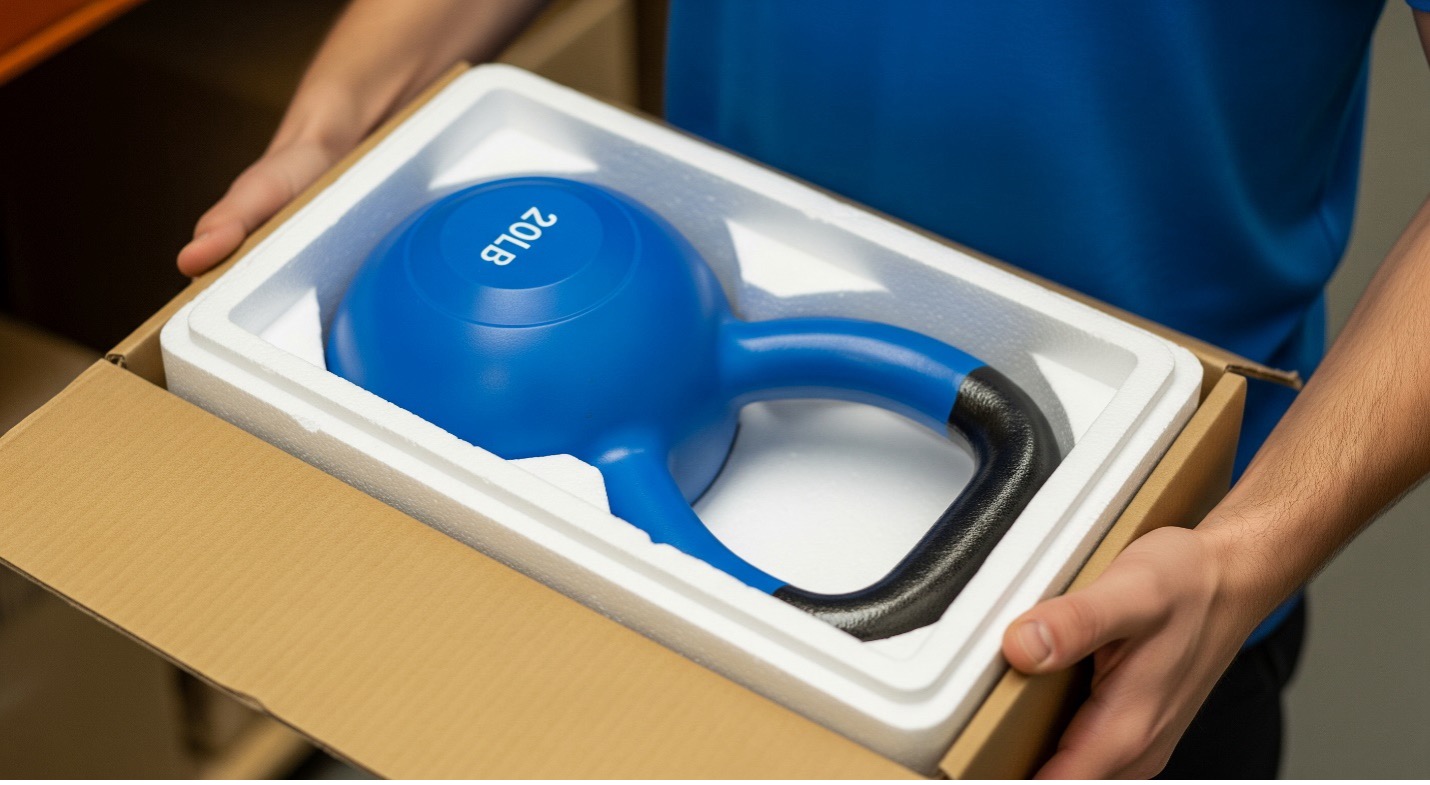
Heavy or Bulky Items
- Corrugated honeycomb panels and edge protectors work well for furniture and large items
- Right-sizing the box is critical here — even a couple of extra inches of void lets heavy items gain momentum and punch through box walls
- Don’t rely on dunnage to compensate for a box that’s clearly too large

Lithium Batteries (Phones, Laptops, Power Tools)
- These fall under specific federal shipping regulations (UN3480 and UN3481)
- Each battery must be individually wrapped in non-conductive material (bubble wrap works) and kept completely immobile inside the package
- Shifting during transit can cause thermal runaway — this isn’t just a damage issue, it’s a safety one
Packaging as a Brand Experience
The box landing on your customer’s doorstep is the first physical interaction they have with your brand. What happens when they open it has real staying power.

A few things that actually move the needle on customer experience:
- Tissue paper, crinkle paper, or layered presentation creates a curated, gift-like feel — worth the investment for subscription boxes or anything positioned as premium
- Easy tearstrips and minimal excess material reduce what’s called “wrap rage” — customers genuinely dislike wrestling with excessive packaging just to reach their product
- A simple printed card explaining your eco-friendly packaging choice (“We use recycled materials to protect your order — and skip the landfill”) builds trust in a way that feels genuine rather than performative
Over-packaging carries its own risk. If someone opens a large box to find a small item buried under mountains of filler, that’s a brand impression too — and not a good one.
How a 3PL Takes This Off Your Plate
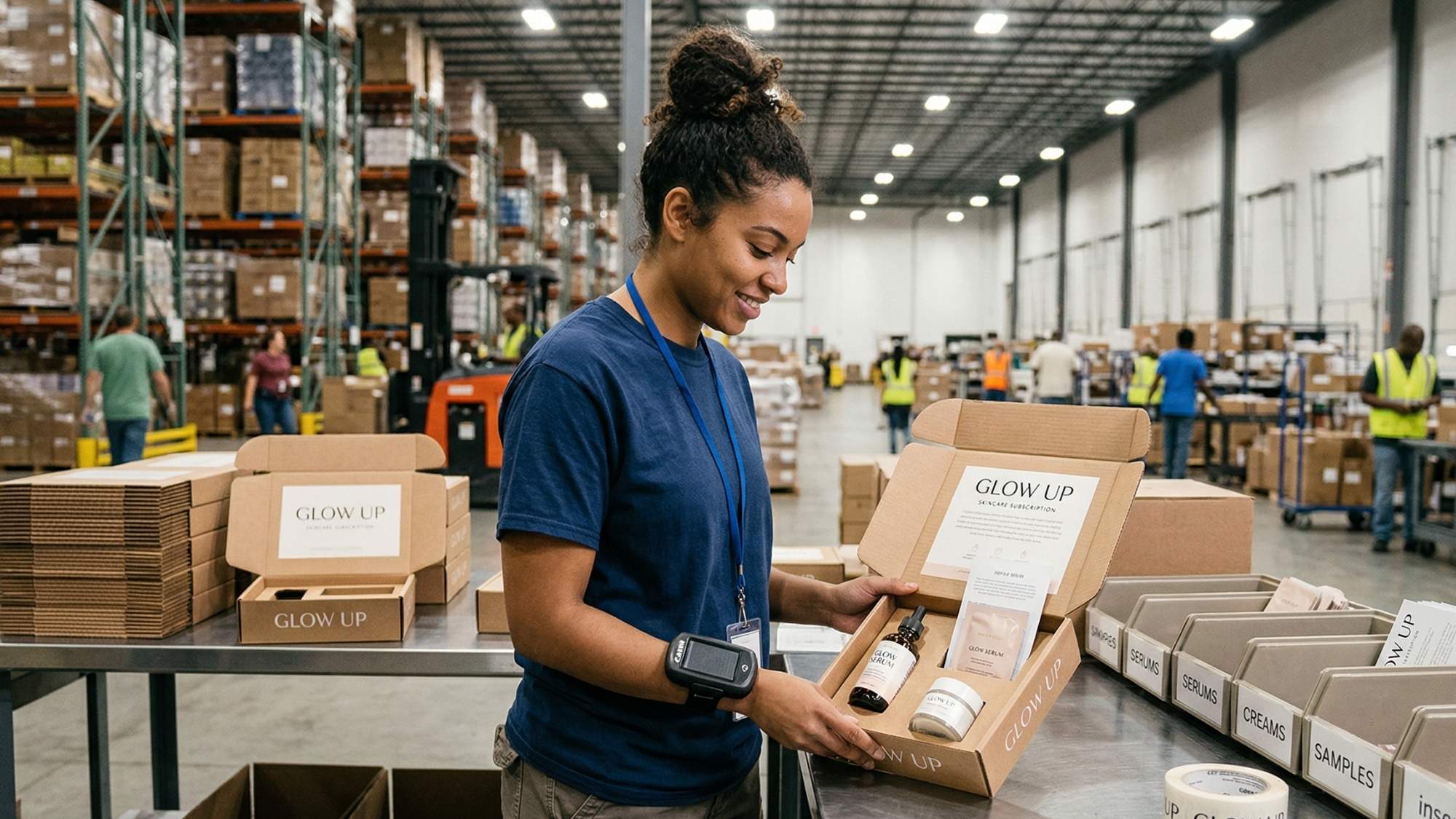
Managing dunnage decisions across dozens of SKUs while also watching DIM weights, keeping up with carrier rule changes, and navigating sustainability regulations is a lot — especially when your actual job is growing a business.
Working with a fulfillment partner like eFulfillment Service means you get:
- Pre-negotiated volume pricing on packaging materials that’s hard to match independently
- 20 box sizes on hand to right-size every order and reduce DIM weight
- Automated packing systems that eliminate guesswork and apply dunnage consistently
- Sustainable practices already in place — no operational overhaul required on your end.
Is Your Business Ready for Professional Order Fulfillment Services?
Take our 3-minute assessment to discover if partnering with a fulfillment service could help scale your business.
Storage Solutions
Optimize your inventory management
Scale Operations
Support your business growth
Save Time
Focus on core business activities
Improve Accuracy
Enhance customer satisfaction
Takes 3 minutes • Get instant results • Free analysis
Business Metrics
Assessment Questions (1-4)
Assessment Questions (5-8)
Assessment Results
Quick Checklist Before You Ship
Run through these before settling on a packing method for any product:
- Is my box size appropriate, or am I paying excess DIM weight?
- Is this product fragile, sharp-edged, heavy, static-sensitive, or moisture-sensitive?
- Am I using the lightest effective material — not just the most material?
- Does my packaging reflect what I want a customer to feel when they open the box?
- Is my damage/return rate on this SKU higher than it should be?
If you’re getting consistent damage claims on a specific product, the root cause is almost always either a box that’s too large or dunnage that’s not matched to the product’s risk profile.
Fulfillment with a Personal Touch.
See How Using a 3PL like eFulfillment Service sellers saves time. Get a Free Quote from eFulfillment Service Today!
Dunnage FAQs
What is dunnage in shipping?
Dunnage is the interior packaging material — air pillows, bubble wrap, paper, foam, or similar — placed inside a shipping box to prevent products from shifting, absorbing impact, and filling void space during transit.
What's the difference between dunnage and packaging?
Packaging refers to the outer container (the box, mailer, or bag). Dunnage is everything inside that protects the product within that container.
Does dunnage affect shipping costs?
Bulky dunnage increases a box’s dimensional (DIM) weight, which carriers use to calculate shipping fees. Using space-efficient dunnage like air pillows and right-sizing your boxes can reduce per-shipment costs by 20–30%.
What is the most eco-friendly dunnage option?
Recycled kraft paper is the most practical and widely available option. Mushroom packaging and cornstarch peanuts are strong choices for specific use cases where compostability is a priority.
Can a 3PL handle dunnage decisions for me?
Yes. A good 3PL will assess your product catalog and recommend dunnage strategies based on fragility, weight, and shipping distance — and handle all of the material sourcing, packing, and carrier negotiation on your behalf.
Summary: What is Dunnage
Dunnage isn’t glamorous, but the wrong choices here add up fast — in damage claims, in shipping overcharges, and in how customers feel when they open your package. The right approach is less about picking a “best” material and more about matching the protection to the product, keeping the box size tight, and not ignoring the unboxing experience on the other end.
Get those three things right and you’ll spend less, break fewer things, and keep more customers coming back.
eFulfillment Service is a Michigan-based 3PL that has been helping ecommerce sellers ship smarter for over 25 years. We handle fulfillment for sellers of all sizes, with no setup fees and transparent pricing.



0 Comments