
To keep customers happy, it’s not enough to get them their purchase within a few days. A 2025 Capital One Shopping survey revealed that 80% of consumers expect same-day shipping, and nearly one in three of them expect that service to be free. By the time most of the week has passed without receipt of the shipment, they may have lost interest in the product and the company.
Although not every e-commerce business can ensure same-day shipping, there are plenty of ways to speed up the process without compromising the result. Here’s how.

1. Automate Order Fulfillment
Increasing efficiency in the order processing stages is a great place to start. With software tools available to automate order processing, there’s really no excuse. When integrated correctly, the technology works smoothly with few hitches. A customer places an order, and the system automatically checks inventory. Then the software collects payment and puts the order in line for picking and fulfillment, with little input required from workers. As an added benefit, setting up these tools provides the incentive to centralize customer data, inventory management and order information.
Is Your Business Ready for Professional Order Fulfillment Services?
Take our 3-minute assessment to discover if partnering with a fulfillment service could help scale your business.
Storage Solutions
Optimize your inventory management
Scale Operations
Support your business growth
Save Time
Focus on core business activities
Improve Accuracy
Enhance customer satisfaction
Takes 3 minutes • Get instant results • Free analysis
Business Metrics
Assessment Questions (1-4)
Assessment Questions (5-8)
Assessment Results
2. Optimize Inventory Placement and Management
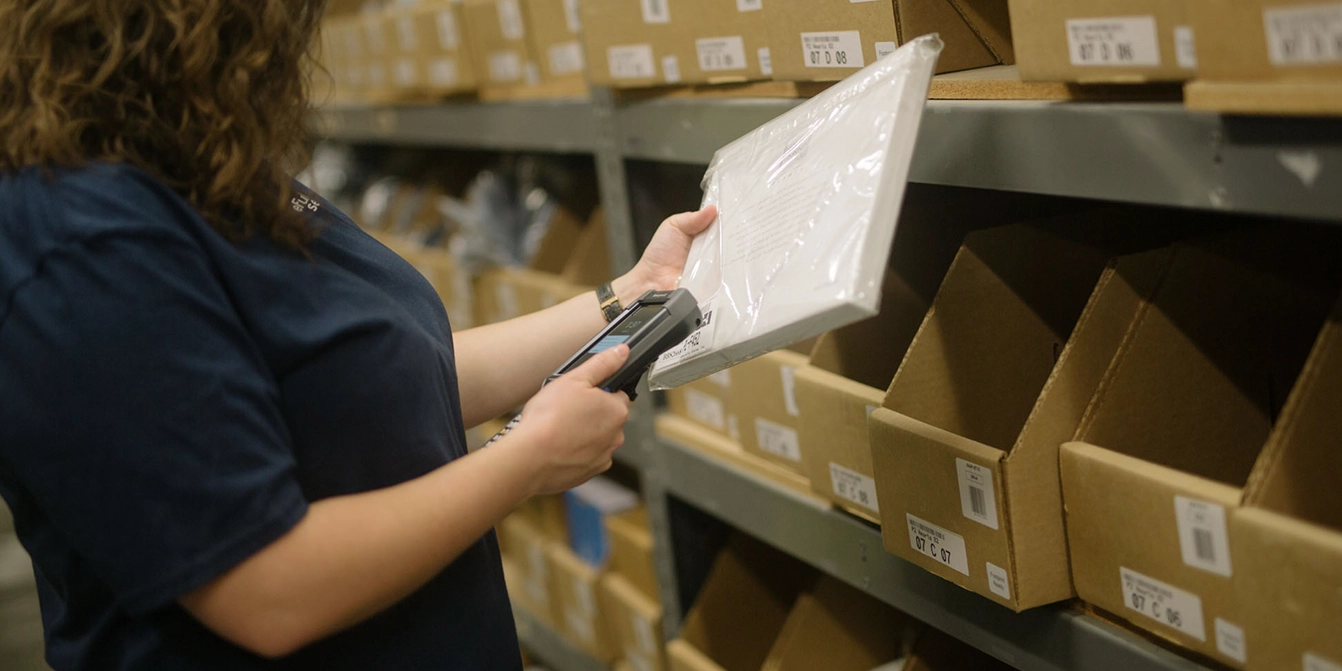
After the initial order, the efficiency improvements should move to fulfillment. Order picking can be largely automated, although businesses do need some workers to move products and verify orders before finalizing a shipment. Inventory placement requires an understanding of what is available and where it is, calling for accurate and real-time inventory management. The most popular products should be placed at the front for quick picking. The right equipment from a conveyor manufacturer can speed the process of getting items to the front of the warehouse, requiring less labor from the staff.
3. Leverage Local Fulfillment Centers
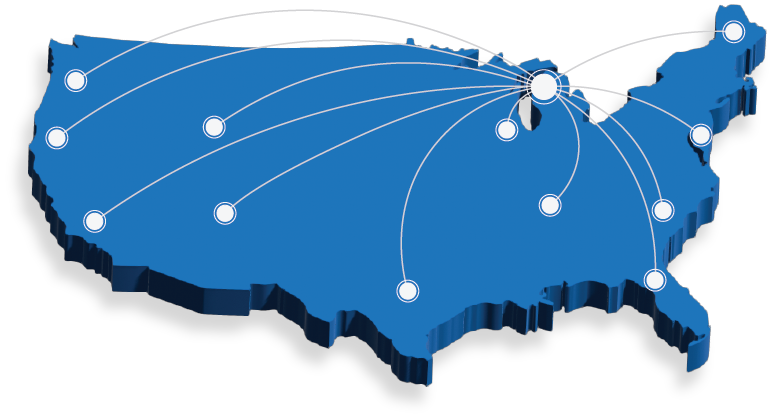
Businesses with one location probably can’t reach most of their customers in one day, which calls for local fulfillment centers. Companies don’t need a branch warehouse in every city, but strategically placing inventory in a few locations can shorten the distance. If the transportation system requires movement of less than 50 miles (or even just a few miles) to reach the customer, same-day delivery suddenly becomes much more realistic.
Fulfillment with a Personal Touch.
See How Using a 3PL like eFulfillment Service sellers saves time. Get a Free Quote from eFulfillment Service Today!
4. Improve Route Planning
Once the item is on the truck, the optimal route will get it there faster. Route optimization relies on technology like AI to analyze traffic patterns and routes to identify the best path. Integration of technology in the delivery vehicles can help drivers avoid unexpected traffic or other factors that cause delays.
Route efficiency does more than conclude the delivery earlier. When drivers feel like they can get there in a reasonable amount of time, they are less likely to engage in unsafe driving behaviors that put them and their deliveries at risk.
5. Use Real-Time Tracking
On the consumer end, as well as back at the headquarters, real-time tracking provides key data about the locations of the shipment. Customers like to be able to track the position of the delivery vehicle, especially if they can see its current distance or the number of stops remaining before arrival.
On the headquarters side, real-time tracking offers critical information about the function and efficiency of the delivery process. Slow deliveries from certain drivers or along specific routes can help to identify a need to make process improvements

6. Streamline Last-Mile Operations
The last mile can be a source of great efficiency or waste, depending on the approach. Route optimization strategies that skimp on the last few miles often lead to a loss of minutes on each delivery. Streamlining last-mile operations involves examining the best route to get to the destination after leaving the highway, automating order priority largely by distance. This optimization can contribute to lower fuel consumption and less wear on vehicles, along with faster delivery.
When consumers increasingly expect faster shipping, they are more likely to choose e-commerce companies that offer it. Though not every business can make it happen, it is clear that fast delivery is a feature that customers want. By utilizing these strategies to speed up order fulfillment and logistics, organizations can get items into customers’ hands more quickly and efficiently.
About the Author
Chris Thompson is Senior Marketing Communications Manager, Material Handling Americas, at FMH Conveyors. With a deep understanding that industrial automation is the future of manufacturing, Thompson aims to present those possibilities to end users and distributors in a fun and informative way. Thompson combines a love for marketing and eye-catching graphic design with a passion for automated processes and machinery.



0 Comments