

Quick Answer: Shipping heavy hair care liquids — shampoos, conditioners, serums — requires induction-sealed caps, right-sized corrugated boxes (44 ECT minimum for orders over 50 lbs), and packaging tight enough to prevent internal movement. The biggest cost risk isn’t breakage, it’s oversized boxes triggering dimensional weight charges that make you pay for air instead of product.
Shampoo is heavy. Conditioner is heavier. A salon-size pump bottle is basically a small dumbbell, and it needs to survive a cross-country trip through carrier sorting equipment that was not built with your branding in mind.
The challenges are real — leaking caps, broken seals, inflated shipping bills, heat-damaged formulas — but they all have solutions. Most of them come down to decisions you make before the box is even taped shut.
This guide walks through those decisions from start to finish: packaging, sealing, carrier costs, warehousing, and what happens when something comes back.
Why Liquid Hair Care Products Are Harder to Ship Than They Look

Liquid hair care products behave differently in transit than almost any other product category. A few things combine to make them tricky:
- The liquid moves. Shampoos and conditioners are non-Newtonian fluids, meaning their thickness changes under pressure. Hit a bottle hard enough and the formula briefly acts more like water — which is exactly when seals fail.
- The bottles are heavy. Dense plastic and glass carry real momentum when they shift. A bottle that slides even a few inches inside a box can hit the wall with enough force to puncture standard corrugated cardboard.
- The weight concentrates. Unlike a box of t-shirts, the mass of a shampoo shipment is focused in a small area, which multiplies the force of any impact or drop.
The result is that you need to think in layers: the seal, the bottle, the cushioning, the box, and the carrier rules that govern how all of it gets priced.
How Temperature Affects Your Formula in Transit
Shampoos and conditioners are emulsions — oil and water-based ingredients held together by surfactants. That balance is stable on a shelf. It’s less stable inside a truck in August or a delivery van in January.

Heat is the bigger risk for most sellers:
- When an emulsion overheats, the formula can separate — oil rises to the top, water sinks to the bottom
- The product arrives looking broken even if the bottle is intact
- High-value serums with botanical oils or active peptides are especially vulnerable
Cold creates a different set of problems:
- Water expands when it freezes, which can crack plastic bottles or shatter glass ones
- Even if the container survives, the freeze-thaw cycle often permanently changes the texture of conditioners and leave-in treatments
For standard shampoos and conditioners shipping domestically on ground service, temperature is manageable. For premium serums, high-concentration treatment oils, or any shipment going through climate extremes, climate-controlled storage and expedited shipping are worth factoring in.
In our experience at EFS, temperature-related quality complaints cluster around two windows: peak summer months, and January in northern shipping lanes. Both are worth planning around.
Choosing the Right Bottle: Plastic vs. Glass
The container choice affects your packaging requirements, your shipping costs, and your damage rates, sometimes dramatically.
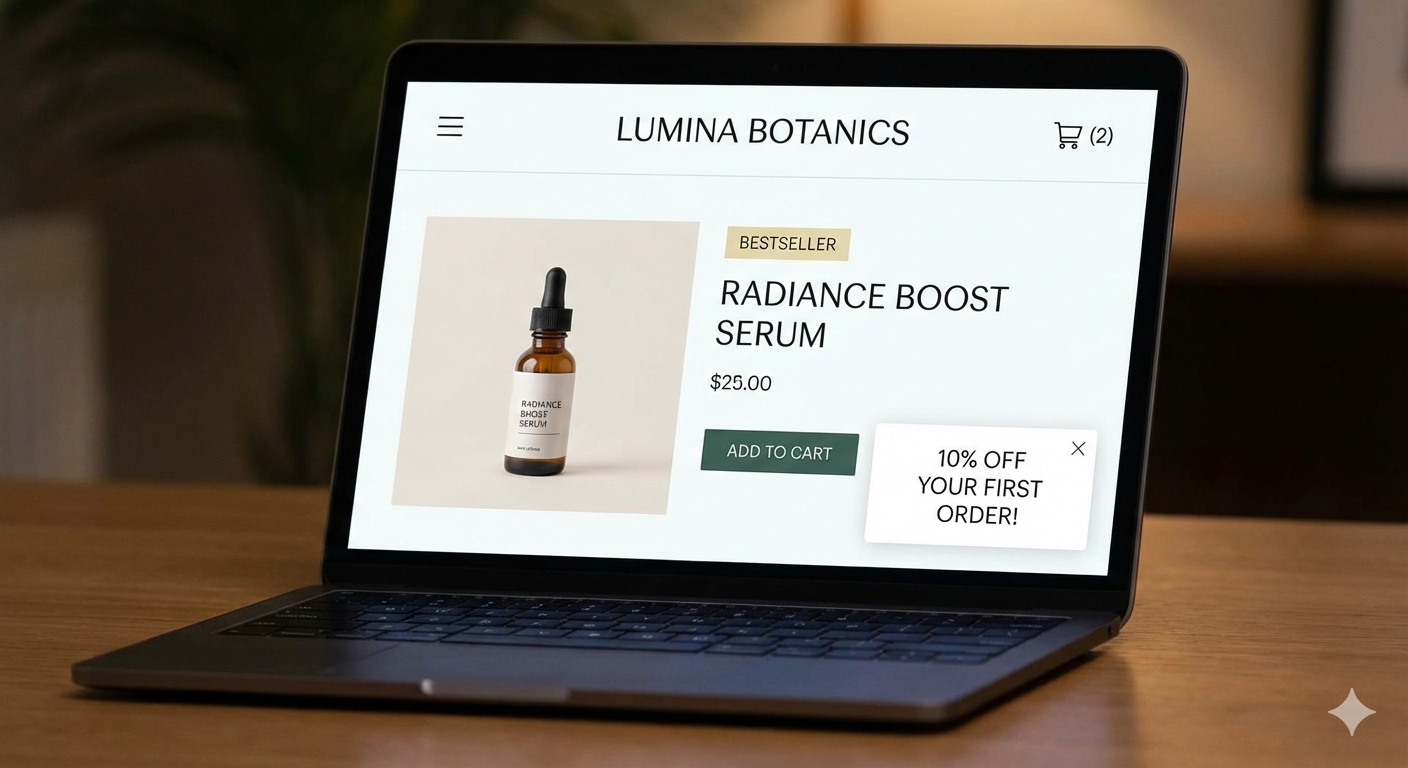
| Container Type | Best For | Key Tradeoff |
|---|---|---|
| HDPE Plastic | Mass-market shampoos and conditioners | Durable, lightweight, affordable |
| PET Plastic | Clear serums, premium-looking bottles | More brittle under stacking pressure |
| Glass | Luxury serums, high-concentration treatments | Premium feel, but fragile — needs 78% more protective packaging |
A quick breakdown of each:
- HDPE is the workhorse. It resists chemical reactions with shampoo formulas, holds its shape under pressure, and takes impact well. If you’re shipping a standard 32-ounce shampoo, HDPE is almost certainly the right call.
- PET looks better on shelf and photographs well, which is why it’s popular for serums and translucent formulas. The tradeoff is brittleness — it can crack when stacked under heavy freight.
- Glass signals quality and commands a premium, but fragile cosmetic shipments see about a 15% average damage rate without added protection. Offsetting that with proper cushioning adds weight, cost, and complexity.
How to Seal a Liquid Bottle So It Actually Stays Sealed
The cap is where most leaks start. Vibration during transit can gradually loosen even a tightly applied screw cap, a phenomenon called vibrational back-off, and once the cap moves even a fraction of a turn, liquid follows.

There are four main sealing approaches worth knowing:
- Induction foil seals — The gold standard for heavy e-commerce liquids. An electromagnetic process fuses a metallic liner directly to the bottle rim, creating a hermetic barrier that can’t easily be compromised by pressure differentials, including the changes that happen in air transport. This is the seal worth investing in for anything shipping through parcel networks.
- Pressure-sensitive liners — Work via adhesive bonding when the cap is tightened. Provide a secondary protection layer and tamper evidence, but they’re better suited to lighter formulas than to heavy salon-size bottles.
- Shrink bands — Wrap around the cap-to-bottle junction and physically prevent cap rotation. A practical backstop for products that already have an induction seal.
- Plug-seal caps — A molded protrusion fits inside the bottle neck, creating a physical interference fit. Works well for caps that will face vertical stacking pressure.
For most e-commerce liquid hair care shipments, the combination of an induction foil seal plus a shrink band is the most reliable approach.
Pump Dispensers: Shipping Them Without Breaking Them

Pump dispensers are a great consumer feature and a consistent fulfillment headache. The lock type you choose makes a real difference:
- Lock-down pumps — The actuator presses and twists into the collar, compressing the spring. The bottle ships in a lower-profile configuration, which can actually reduce dimensional weight. The downside: the first use often produces a burst of wasted product, which generates negative reviews even when nothing is technically wrong.
- Lock-up pumps — The actuator stays extended while locked. More convenient for the buyer, but that extended pump is a structural weak point. If anything heavy is stacked on top of the box, the actuator can snap.
- Clip-lock pumps — A physical clip prevents pump activation, but the clip can jar loose during sorting unless the pump assembly is wrapped in a poly bag or shrink wrap.
For parcel shipping, lock-down pumps are generally the safer choice. If you’re using lock-up or clip-lock designs, the pump head needs its own secondary protection inside the box.
Boxes: How to Pick the Right Corrugated Strength
The corrugated box is your last line of defense. Picking the wrong grade means either your product arrives damaged or you’re paying for more box than you need.

Two metrics matter most:
- ECT (Edge Crush Test) measures how much vertical pressure the board can take before the edges buckle — critical for warehouse stacking, where a pallet of shampoo sitting six layers high puts real compressive force on every box at the bottom
- Mullen Bursting Test measures puncture resistance — how hard something has to hit the face of the box to push through it, which matters when heavy bottles shift internally
| Box Grade | ECT Rating | Weight Capacity | Use Case |
|---|---|---|---|
| Standard Single Wall | 32 ECT | 40–65 lbs | Small shampoo/conditioner combos |
| Heavy Duty Single Wall | 44 ECT | 65–95 lbs | 1-liter salon bottles, heavy bundles |
| Double Wall | 48 ECT | Up to 180 lbs | Palletized distribution, glass serum kits |
For most e-commerce liquid hair care orders, 32 ECT is the floor. Anything over 50 pounds should go in a 44 ECT box, and fragile glass products typically warrant double wall construction.
Flute Type Also Matters
The wavy inner layer of corrugated board — the flute — affects both cushioning and stacking strength:
- A-flute (1/4 inch thick): Maximum cushioning, best for glass serums
- C-flute (11/64 inch): The standard for plastic shampoo bottles — good balance of strength and cushioning
- B-flute: Thinner, better crush resistance, good for internal dividers that keep bottles upright and separated
At EFS, we stock 20 different box sizes precisely to avoid the right-sizing problem that inflates shipping costs. The closer the box fits the product, the less filler you need and the less you pay. For brands shipping multi-product sets or bundles, our kitting and assembly services handle that in the same workflow.
Sustainable Cushioning: Why Molded Pulp Is Replacing Foam
Expanded polystyrene foam still works, but it’s increasingly a liability environmentally and operationally. Many retailers and shipping partners are either prohibiting it outright or flagging it.

Molded pulp, made from recycled paper and organic fibers, has become a genuinely practical alternative. Modern molded pulp inserts use variable-density designs:
- Rigid ribs hold heavy bottles in place
- Softer sections absorb impact energy
- Custom-fit trays prevent internal migration, which is what turns a heavy bottle into a battering ram against your outer carton
EFS doesn’t use styrene peanuts, and we divert more than 3,500 square feet of waste packaging material per month. The environmental benefit is real, but the practical advantage matters too: molded pulp inserts can be sized more precisely than foam, which means smaller boxes, lower dimensional weight, and lower carrier costs.
Fulfillment with a Personal Touch.
See How Using a 3PL like eFulfillment Service sellers saves time. Get a Free Quote from eFulfillment Service Today!
The Real Cost of Shipping Heavy Hair Care: Weight, DIM, and Surcharges
This is where a lot of sellers lose money without realizing it.

Carriers bill at “billable weight” — whichever is higher between the actual scale weight and the calculated dimensional weight. For dense products like shampoo, actual weight usually wins. But the box size still matters enormously.
The DIM weight formula:
DIM Weight = (Length × Width × Height) ÷ DIM divisor
(UPS/FedEx commercial divisor: 139 | Retail/USPS: 166)
Here’s a concrete example for a 12-lb shampoo shipment:
| Scenario | Box Size | DIM Weight | Actual Weight | Billable Weight |
|---|---|---|---|---|
| Right-sized box | 12×10×6 in | ~5.2 lbs | 12 lbs | 12 lbs |
| Oversized box with excess fill | 16×16×16 in | ~29.5 lbs | 12 lbs | 30 lbs |
That oversized box costs you 18 pounds of phantom weight — you’re paying to ship air. On a high-volume SKU, that math adds up fast.
2025 Carrier Surcharges on Heavy Shipments
Weight-based surcharges have risen sharply. Beyond the base rate hike, 2025 General Rate Increases from major carriers added costs that hit heavy product categories disproportionately:
| Surcharge | Trigger | 2024 Cost | 2025 Cost | Increase |
|---|---|---|---|---|
| Additional Handling (Weight) | Over 50 lbs | $34–$43.50 | $44–$55 | ~26% |
| Additional Handling (Dimension) | Longest side > 48″ | $22–$30 | $28–$38 | ~27% |
| Oversize Package Fee | Girth > 130″ | $240 | $305 | ~27% |
A 60-pound bulk order that cost $50 to ship in 2024 can now run $105 or more once the weight-based handling fee is applied. For heavy categories, these surcharges often dwarf the base rate itself.
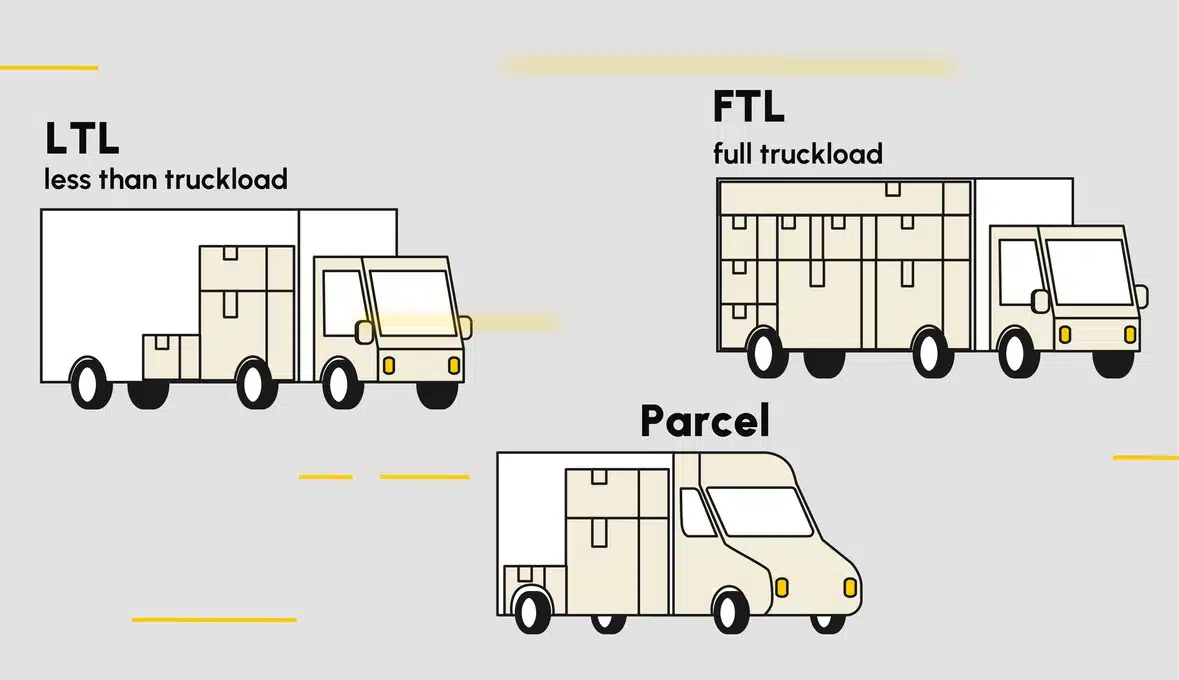
When to Switch from Parcel to LTL Freight
The general crossover point is around 150–200 pounds, or roughly four to five large boxes.
- Parcel — faster (1–5 days), door-to-door tracking, best for orders under 150 lbs, but packages pass through many hands and sorting points where damage risk accumulates
- LTL (less-than-truckload) — better for larger orders because palletized freight gets handled far less aggressively, which dramatically reduces breakage
EFS offers low cost shipping options for sellers dealing with heavy product shipping costs, which can meaningfully reduce what you’re paying per pound on dense SKUs.
Warehousing Heavy Liquid Inventory: What’s Different
A single pallet of 32-ounce shampoo bottles can weigh more than 2,500 pounds. That’s not a worst-case scenario — it’s a routine load in hair care fulfillment, and it creates infrastructure requirements that go beyond standard light-goods storage.

Three things matter most:
- Floor load ratings: Lightweight apparel warehouses typically rate floors at 500 PSF (pounds per square foot). Heavy liquid storage generally requires 750 PSF or higher, particularly in high-bay racking systems where loads concentrate at rack upright bases.
- Spill containment: OSHA requires containment systems capable of holding either 100% of the largest container’s volume or 10% of the total stored volume, whichever is greater. Hair care surfactants aren’t flammable, but they’re environmentally persistent and create serious slip hazards.
- Sprinkler clearance: A commonly missed compliance point. OSHA requires a minimum 18-inch vertical gap between the top of any pallet stack and the warehouse’s sprinkler heads. Because heavy pallets often get stacked tall to maximize cubic space, this requirement can become a meaningful storage constraint.
EFS operates facilities engineered for heavy liquid inventory, with racking systems rated for these loads and compliance infrastructure already in place.
Tracking Expiration Dates and Lot Numbers
Hair care products have shelf lives. Active-ingredient products, peptide treatments, botanical oil serums, prescription-strength scalp treatments, can be genuinely time-sensitive. The operating principle is FEFO: First Expired, First Out.

In practice, your warehouse management system needs to:
- Track batch and lot numbers at the SKU level
- Associate every customer order with the specific batch it shipped from
- Flag inventory approaching expiration for discounting or disposal
- Enable targeted recalls without pulling your entire product line
If a batch of conditioner turns out to have a contamination issue, lot-level tracking means you notify only the customers who received that specific batch, not everyone who has ever ordered the product. That’s a significant difference in cost and customer impact.
For Shopify sellers managing this on a smaller scale, apps like Batch Expiry Pro can automate discount triggers as products approach their expiration window, which recovers revenue on aging stock rather than writing it off.
Returns: Why Liquid Products Almost Never Get Restocked
Once the induction seal on a liquid hair care product is broken, it’s almost certainly not going back on the shelf. Opened liquids are not fit for resale under standard hygiene guidelines for personal care products.

This creates a straightforward economics problem. For a low-cost shampoo, the combined costs of:
- Return shipping
- Inspection labor
- Sanitation time
- Final disposal
…can easily exceed what the product cost to make. Many sellers who’ve run the numbers end up implementing return-less refunds — the customer keeps the product, gets a refund, and the seller avoids the reverse logistics cost entirely.
For higher-value items like professional serums, a proper returns protocol is still warranted:
- Immediate cleaning of any leaked surfaces (warm soapy water)
- Disinfection of non-porous surfaces with an EPA-registered solution
- PPE for staff handling broken glass containers
- Documentation of the disposition of any unsalvageable product
Product that can’t be restocked still has to go somewhere. Expired or damaged hair care liquids need licensed waste disposal — surfactants dumped into industrial drains create both EPA liability and real environmental harm. Secure destruction services provide a Certificate of Destruction, which demonstrates proper disposal and prevents product from entering gray market channels.
Shipping Heavy Liquid Hair Care Products FAQs
What's the minimum box strength I should use for shampoo shipments?
For standard e-commerce orders under 50 lbs, 32 ECT single-wall is the baseline. Anything over 50 lbs should use 44 ECT heavy-duty single-wall. Palletized or glass product shipments benefit from double-wall (48 ECT) construction.
How do I prevent my pump dispensers from leaking or breaking in transit?
Lock-down pump designs are the most shipping-friendly because they compress the pump spring and reduce the bottle’s profile. Lock-up and clip-lock designs need secondary protection, either a poly bag around the pump head or shrink wrap across the cap area, to prevent accidental activation or structural damage from stacking.
Why is my shipping cost so high even though my shampoo isn't that large?
Heavy liquids almost always bill on actual weight rather than dimensional weight, so you’re paying for every ounce. But the box size still matters, an oversized box triggers dimensional weight that can exceed actual weight, adding phantom pounds to your bill. The 2025 carrier rate increases added substantial weight-based surcharges on top of that.
What temperature range should hair care liquids stay within during shipping?
The general guidance for most shampoos and conditioners is 50°F to 85°F. Emulsion-based products risk phase separation above that range, and water-heavy formulas risk freeze-expansion below it. High-value serums warrant climate-controlled storage and expedited shipping if your lanes include temperature extremes.
Can I restock returned hair care products?
Generally, no. Once a liquid product’s induction seal has been broken, it’s not considered fit for resale. Most e-commerce sellers use returnless refunds for low-cost liquid items because the cost of processing a return, shipping, inspection, sanitation, disposal, typically exceeds the product’s value.
What's the difference between parcel and LTL shipping for hair care?
Parcel is door-to-door, fully tracked, and best for orders under 150 lbs. LTL is better for larger orders because palletized freight gets handled far less aggressively than individual packages moving through a sorting network. The practical crossover is around 150–200 lbs, or four to five large boxes.
Do non-flammable hair care products need hazmat documentation?
Most shampoos and conditioners ship as standard non-hazardous goods. However, some high-concentration treatment oils and serums may be classified as Class 3 flammable liquids or have corrosive properties, which requires DOT-compliant hazmat labeling and certified packing personnel. Check the product’s Safety Data Sheet (SDS) if you’re not sure.
Ready to Handle Your Hair Care Fulfillment?
Shipping heavy liquids well requires the right infrastructure, proper racking, compliant spill containment, climate-aware storage, and carrier relationships that don’t penalize you on weight-based surcharges.
EFS has been handling complex fulfillment for small and mid-size e-commerce sellers for more than 25 years, with experience across more than 76,000 unique SKUs and the operational depth to manage dense, heavy product categories without the surprises.
If you’re spending too much on shipping, dealing with damage complaints, or just want a 3PL that understands the specific challenges of liquid personal care products, get a quote from EFS and see what the numbers look like for your catalog.




0 Comments