Fulfillment used to sit quietly in the back of the house. You took orders. You packed boxes. You shipped. It was a cost to manage and, honestly, not the part of the business that got much love.
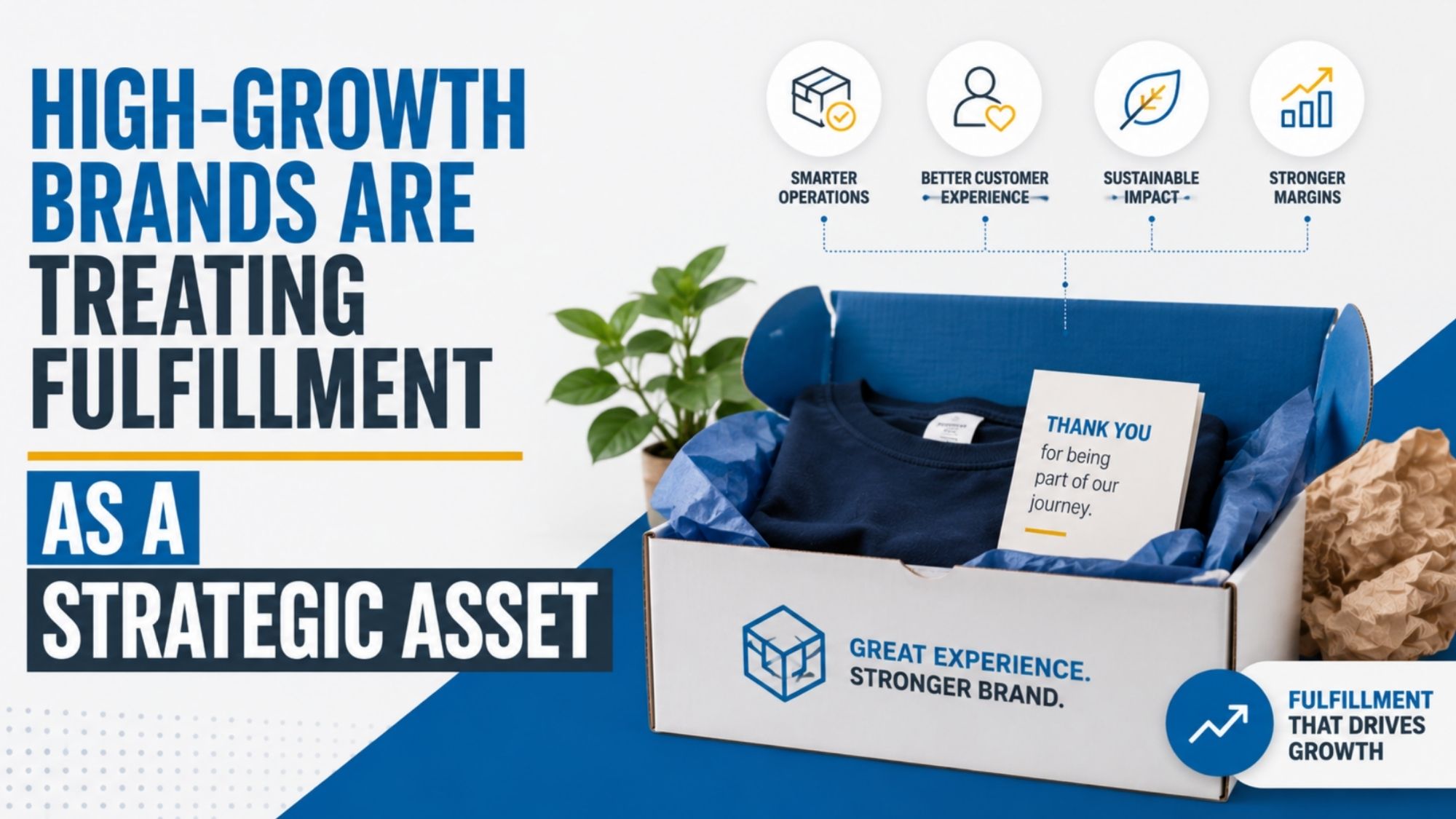
That’s changing fast. High-growth brands now see fulfillment as something that shapes customer experience and strengthens margins. Even opens new ways to compete.
Fret not. This article looks at how leading brands are doing exactly that: using fulfillment to deliver an edge…not just orders. Read on to learn more.
More Than Just Order Delivery
In e-commerce and modern retail, fulfillment covers everything that happens from the moment a customer clicks ‘Buy’ to the moment they say, ‘That was great, I’ll order again.’ It’s the plumbing and the polish, the quiet operations and the loud brand moments.
Traditionally, fulfillment was a back-end necessity: keep inventory in stock, get orders out the door, answer a few emails if something went wrong. However, it goes beyond the packaging and delivery experience.
Today, it’s a connected system with a direct line to growth. The core components still matter. However, they’re more integrated than ever:
- Inventory management and demand planning
- Order processing, picking, packing, and quality checks
- Shipping, delivery orchestration, and returns
- Post-purchase communication and customer service
Get these pieces working in sync, and you don’t just cut costs. You create a smoother, more memorable customer experience.
Why the mindset shift?
Two reasons stand out:
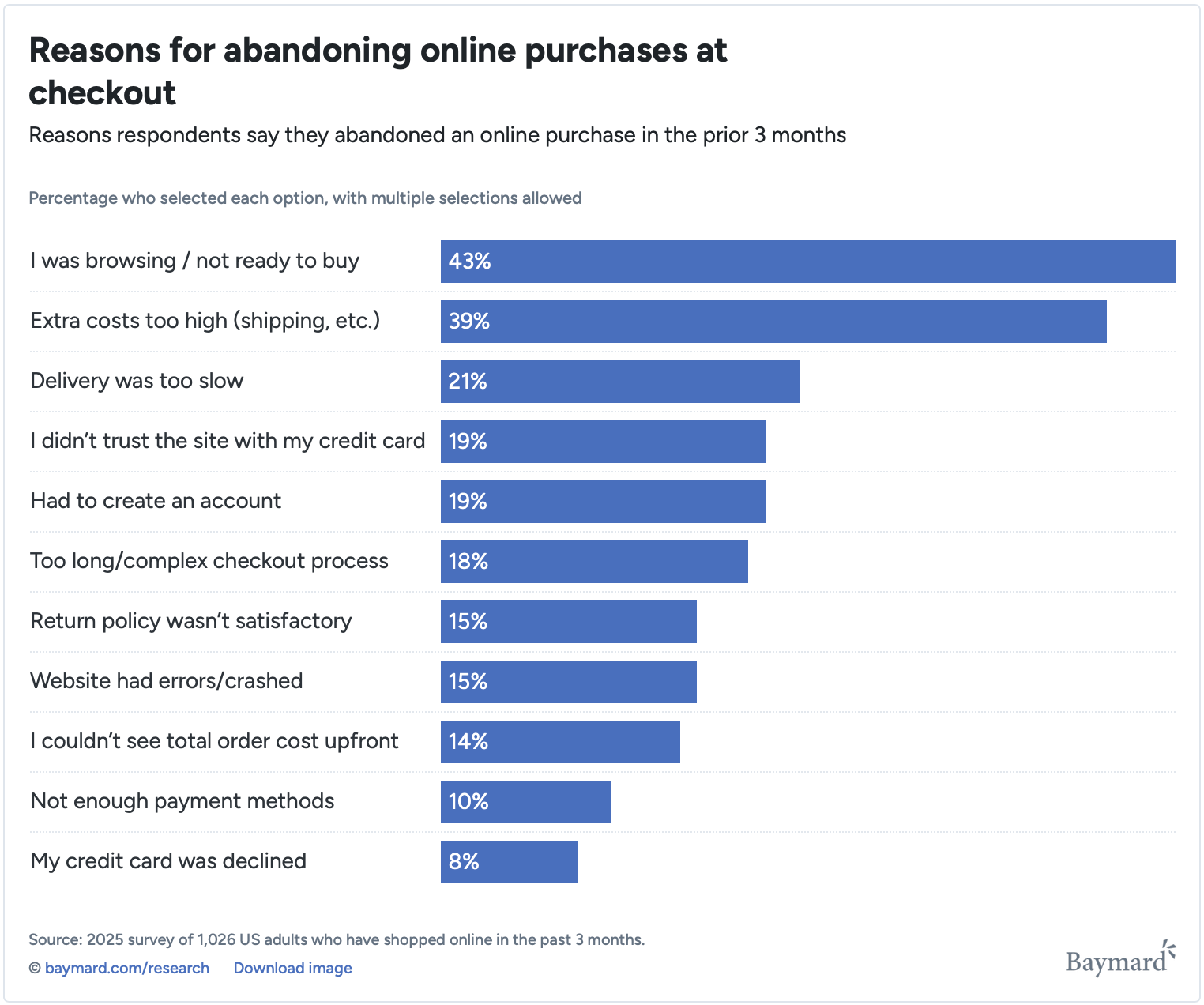
- Customer expectations have climbed. Shoppers compare every experience to the best one they’ve had, which means slow shipping and vague tracking feel jarring. Research from Baymard shows that extra costs like shipping and taxes are the top reason for cart abandonment, and long delivery times rank high as well. The last mile can easily undo the first click if it’s not dialed in.
- Fulfillment has become a lever for profitability. Smarter routing trims transportation spend. Better forecasting lowers holding costs and reduces markdowns. Even returns processing (often a margin killer) can be reshaped to recover value. The stakes are real: the National Retail Federation (NFR) estimates U.S. retail returns reached $743 billion in 2023, with an overall returns rate of 14.5%.
Companies that connect these dots (experience, cost, and growth on purpose), are the ones pulling ahead.
Fulfillment with a Personal Touch.
See How Using a 3PL like eFulfillment Service sellers saves time. Get a Free Quote from eFulfillment Service Today!
Key Strategies for Making Fulfillment a Strategic Asset
Technology integration
The most successful brands aren’t just shipping faster. They’re making smarter decisions earlier in the chain. AI and automation help streamline busywork and surface insights humans can act on.
Learn from Vladyslav Sokol, CEO of Academy Smart. Through his work developing custom software solutions and digital platforms for logistics and enterprise clients, he has seen how integrated systems can eliminate operational silos and make fulfillment processes more responsive and data-driven.
Sokol says, “Modern fulfillment systems are no longer just execution tools. They’re intelligent platforms built on data. When businesses integrate AI-driven software across their operations, they can forecast demand more accurately. They can also optimize inventory placement across locations. Lastly, they automate decision-making in real time.”
He adds, “This turns fulfillment from a reactive process into a proactive advantage, where every order is packed and delivered with purpose.”
That starts with data. With better forecasting and inventory positioning, teams avoid stockouts and reduce split shipments. Work here compounds. Small gains in placement and pick paths show up later as big gains in speed and accuracy (even cost).
Customization and personalization
Personalization in fulfillment creates memories. Every package tells a story about your brand. Personalized notes and surprise samples create unboxing experiences people want to share. These touches transform routine deliveries into memorable brand interactions.
For example, blank apparel brands often use purchase data to tailor what goes inside each order. First-time buyers might receive a welcome note and styling tips. Meanwhile, repeat customers get curated product suggestions or limited-edition samples.
It can be as simple as dynamic inserts based on prior purchases. Or as ambitious as modular packaging that changes per SKU and customer segment. When your box feels like it came from a person (not a conveyor), you stand out. And you often see better retention for it!
Sustainability in fulfillment
Sustainability is no longer a side project. It’s part of the value proposition. Take it from Nick LeRoy, Owner of PPCJobs.com. He believes that sustainable thinking is becoming essential not just for brand image, but for long-term operational efficiency and competitiveness.
LeRoy explains, “Sustainable fulfillment attracts conscious consumers and often reduces costs. Optimized packaging uses less material. Consolidated shipments lower transportation expenses. And returnable packaging programs build customer loyalty. Ultimately, going green in fulfillment is smart business.”
For greener fulfillment, consumers are increasingly drawn to lower-waste packaging options. And brands are responding with recycled materials, right-sized boxes, and carbon-labeled deliveries. Surveys suggest that interest in sustainable packaging continues to grow across markets and age groups.
For instance, Amazon reports that changes to packaging design and processes have reduced the weight of outbound packaging per shipment by more than a third and eliminated millions of tons of packaging material since 2015. That’s cost and carbon moving in the right direction!
Real-World Examples: Brands With Innovative Fulfillment
Look at how a few leaders connect operations to outcomes:
Target’s stores-as-hubs model: Turning stores into fulfillment engines
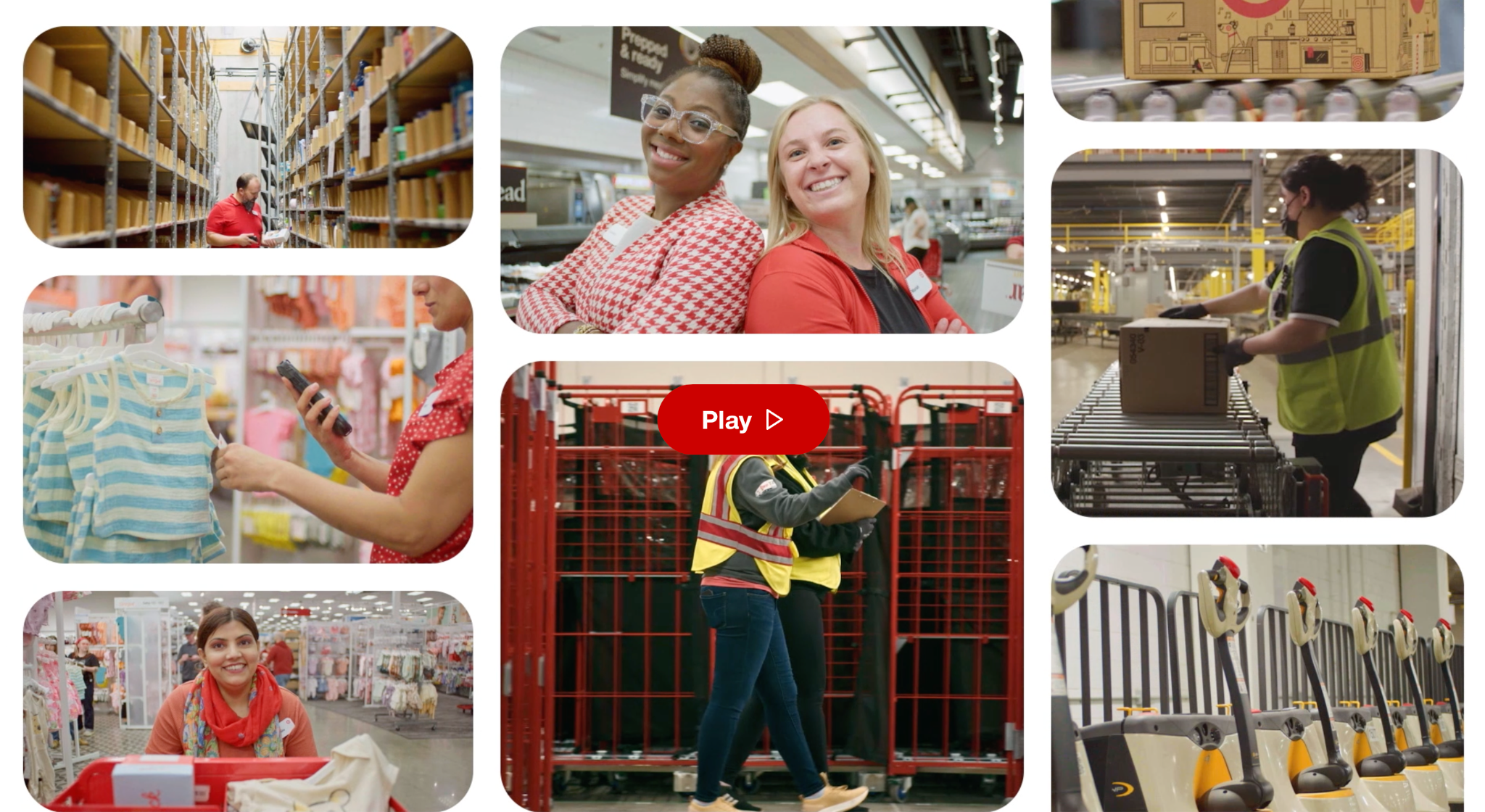
Target’s “stores-as-hubs” model uses stores to fulfill online orders. This shortened delivery distances and expanded same-day options. The company has publicly discussed how the vast majority of online orders are fulfilled by stores. A choice that blends speed with cost efficiency!
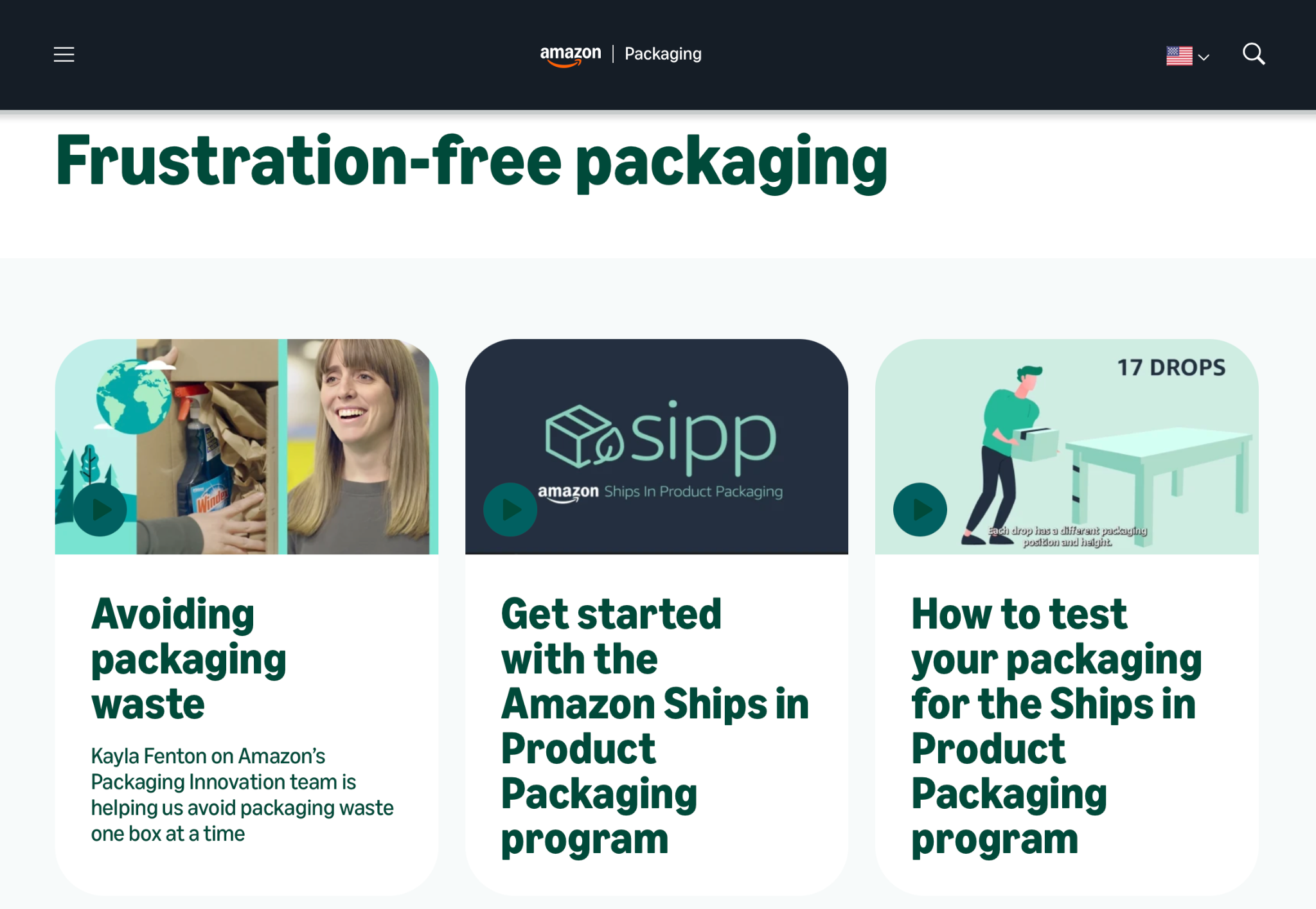
Amazon’s frustration-free packaging: Smarter packaging, lower shipping costs
Amazon’s packaging optimization through the Frustration-Free Packaging initiative and machine-learning-driven right-sizing has led to major reductions in packaging material and weight. This helps cut damage rates and shipping costs while improving customer experience (CX).
Stitch Fix’s Algorithms Tour: Using data to predict demand
Stitch Fix Algorithms Tour uses its data science platform to inform buying, inventory placement, shipment curation, and more. This helps match supply to demand more precisely and reduces the guesswork in fulfillment flows.

Leaders also make a point to prioritize fulfillment internally. Fast, reliable delivery with exceptional presentation creates organic word of mouth that no ad campaign can match. Remember: fulfillment centers are brand ambassadors…not just shipping facilities.
Challenges in Strategic Fulfillment
Turning order fulfillment into an advantage isn’t push-button easy. Common hurdles include:
- Upfront costs and ROI timing for automation and new systems
- Data cleanliness, system integration, and change management
- Network design choices (single DC vs. multi-node, in-house vs. 3PL)
- Returns complexity and reverse logistics
- Talent and training for new workflows and tools
These can feel daunting. Start with pilot programs to test new fulfillment strategies before full implementation. Focus on high-impact changes, such as same-day delivery in your top markets and/or premium packaging for VIP customers. Small wins build momentum and prove ROI for larger investments.
Samantha St Amour, Partnerships Manager at TechnoMEOW, says, “The brands that get the most value from fulfillment improvements usually don’t try to change everything at once. They focus on solving one operational challenge at a time, measure the impact, and build from there. That steady progress creates a much stronger foundation for long-term growth.”
A few practical tips:
- Mapping the post-purchase journey and picking two metrics to move first (e.g., on-time delivery rate and damage rate)
- Segmenting SKUs by velocity and value to inform storage, pick paths, and packaging
- Piloting micro-fulfillment or regional nodes for your highest-density markets
- Using carrier diversification and smart rate shopping to reduce costs without sacrificing reliability
- Addressing returns as a product problem as much as a logistics problem
Future Trends in Fulfillment
The next few years will bring even more change.
A few trends to watch:
- Regionalization and nearshoring: More brands will position inventory closer to demand to reduce risk and lead times.
- Micro-fulfillment and hybrid networks: Mixing centralized hubs with smaller urban nodes to balance speed and cost.
- AI copilots across ops: Decision support for labor planning, slotting, exception handling, and real-time carrier routing.
- Dynamic packaging: On-demand right-sizing and material selection that reduce DIM weight and damage.
- Carbon visibility: Scope 3 emissions tracking embedded in carrier selection and checkout, not just sustainability reports.
- Returns prevention and resale: Smarter fit tools, automated triage, and recommerce channels to recover value.
- Resilience as a KPI: Weather, labor, and geopolitical disruptions will push scenario planning and diversified transport strategies. DHL’s Logistics Trend Radar offers a helpful overview of where the industry is heading.
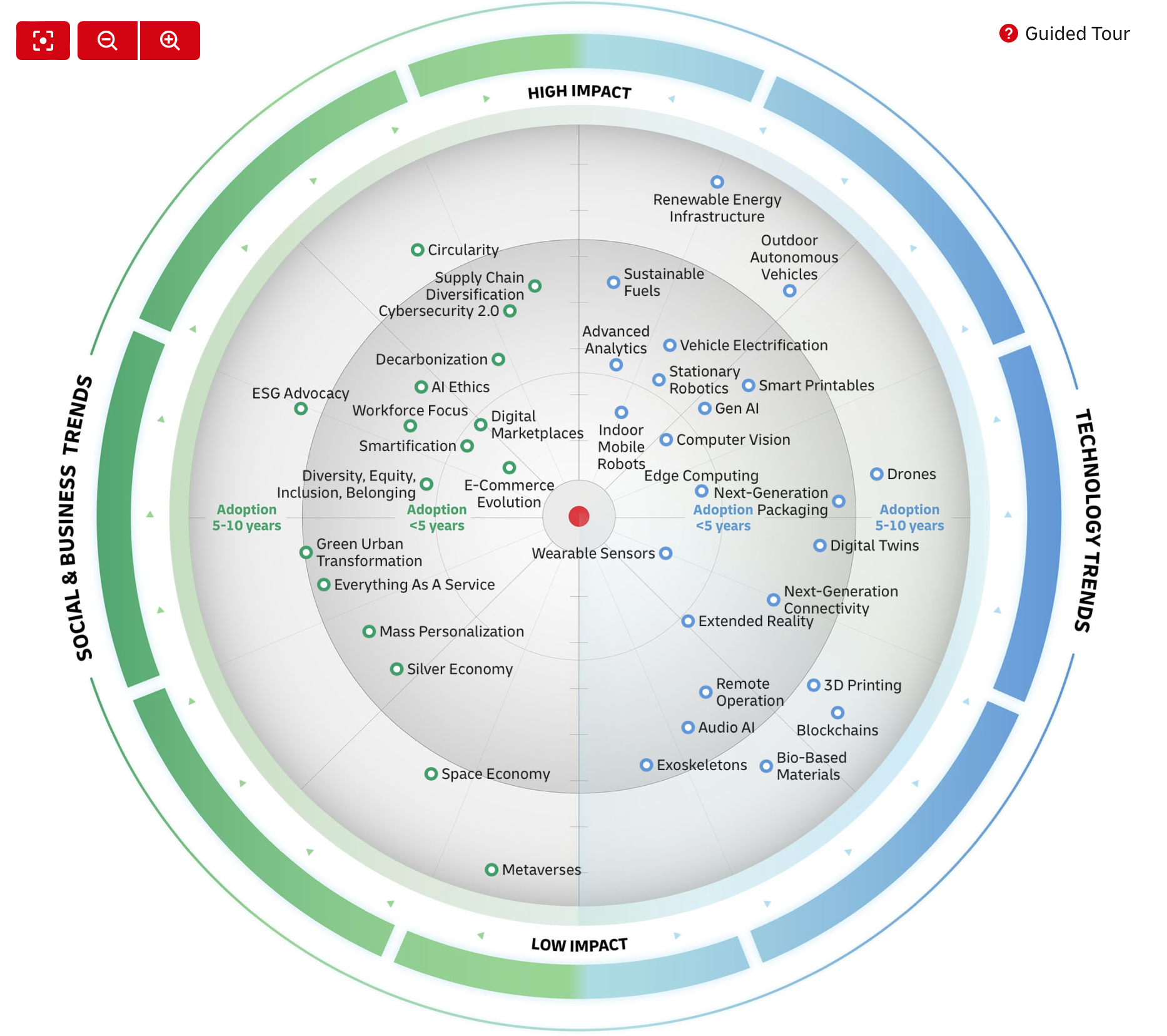
Tech is only half the story. Leadership mindset matters. Put those together, and you start building a fulfillment engine that’s both smart and human.
Summary
Fulfillment is no longer a backstage cost. It’s where promises are kept. Loyalty is earned. And margins are made or lost. High-growth brands are designing fulfillment for advantage. From AI-driven forecasting and automation to personalized packaging and greener shipping.
If you’re just getting started, focus on the handful of changes your customers will feel tomorrow and build from there. Think faster delivery in your top metros. Consider clearer tracking. Factor in sturdier and right-sized packaging.
Ultimately, the brands that commit to continuous improvement in fulfillment will grow faster and retain customers longer. If you need to optimize your fulfillment as a strategic asset, eFulfillment service surely can help. Request a free quote today!

About the Author
Brooke Webber is a passionate advocate for a people-first strategy in HR. Her major focus areas are workplace psychology and employee listening, where she has already accumulated five years of writing experience.

0 Comments