

The Big Picture
US retail is projected to hit $5.6 trillion in 2026, a 4.4% increase. For ecommerce sellers, that growth is very real, but so are the challenges: global shipping disruptions, new AI shopping behaviors, and new EU regulations are all reshaping how people discover, buy, and receive products.
This guide breaks it all down into plain language so you can act on it.
The Economy: More Money, But People Are Careful With It

Spring 2026 is bringing a notable economic boost, larger-than-usual tax refunds. Here’s why it matters to you as a seller:
Tax Refund Snapshot (2026)
| Metric | What It Means for Sellers |
| Average refund: $3,500–$3,742 | 10–20% higher than last year, more spending power in shoppers’ pockets |
| Total refund pool: ~$350 billion | A major national spending event happening right now |
| Top 10% of earners = 50% of spending | Premium and “investment” purchases are strong right now |
| 40% saving/investing their refund | Not everyone is shopping, target buyers deliberately, not broadly |
What Sellers Should Do With This
- Lean into ‘worth it’ messaging: buyers are making deliberate choices, not impulse purchases
- Highlight durability, quality, and value: even budget buyers want to feel smart about their purchase
- Optimize for the ‘durable goods and lifestyle’ category: that’s where refund dollars are flowing
- Don’t chase the bottom of the market: the K-shaped economy means value-seekers and premium buyers are both active, but with very different triggers
QUICK STAT
50% of consumers report buying fewer items to stay within budget.
But the top 10% of earners drive 50% of all spending.
Takeaway: Sell to both segments — but with completely different messaging.
Global Shipping Is a Mess: Here’s What to Know
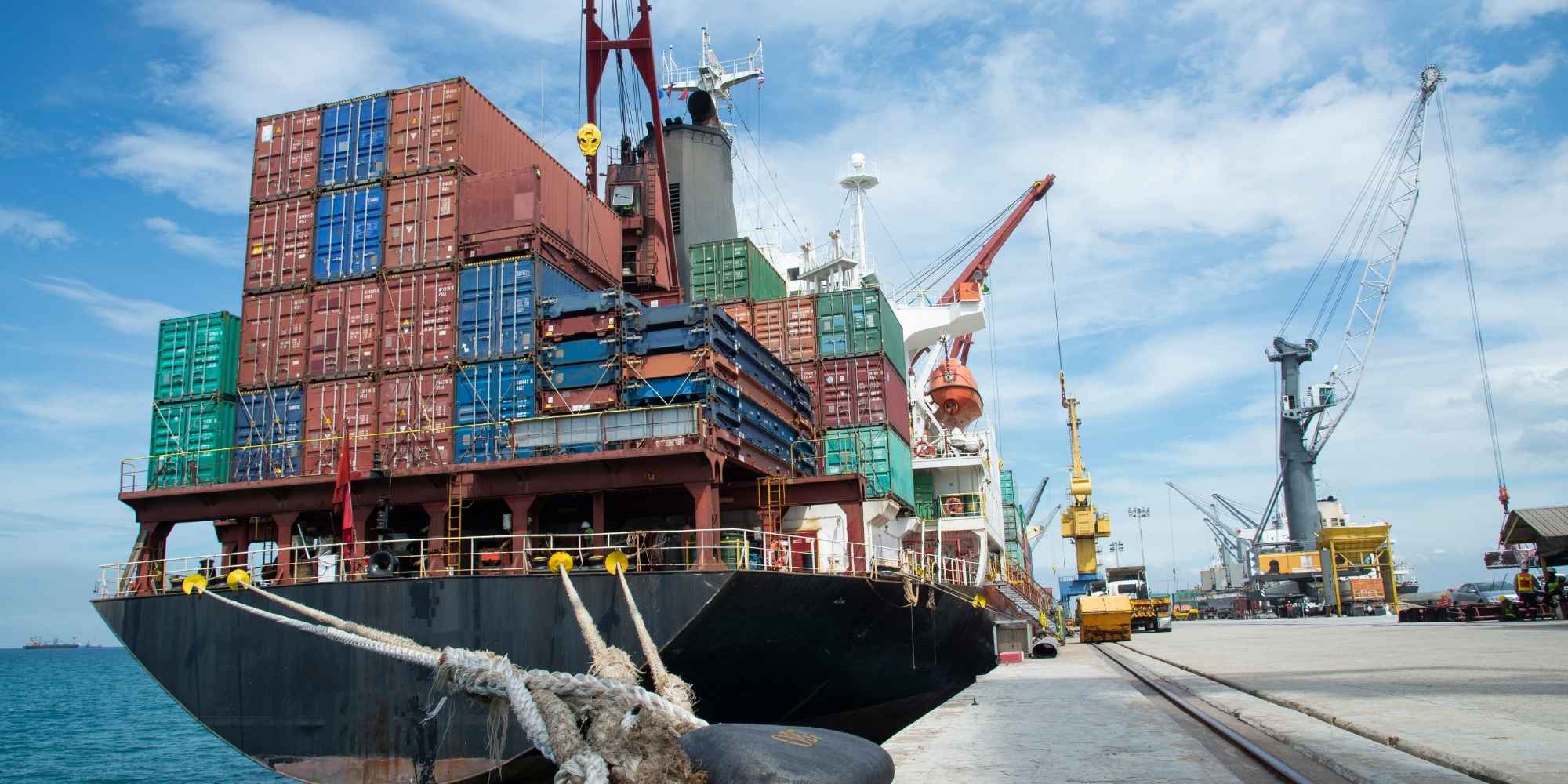
Two major global shipping routes are disrupted right now, and it’s creating real delays and cost increases for goods moving between Asia, Europe, and North America.
| Chokepoint | Current Status | Impact on Your Orders |
| Strait of Hormuz | Functionally closed (conflict) | ~$1,800 extra per container; major delays |
| Panama Canal | Congested / dispute-related | Fewer slots, increased fees, transshipment delays |
| Suez Canal | Underutilized due to rerouting | Ships going around Africa: adds 10–14 days |
| Singapore / Port Klang | Over capacity | Berthing delays of 5–7 days on top of transit time |
The net effect: if you source products from Asia, expect timelines that are 3–5 weeks longer than normal, plus higher freight costs.
What Sellers Should Do Right Now
- Audit your current inventory: do you have enough stock to cover 3–6 weeks of extra lead time?
- Talk to your 3PL about ‘safety stock’ levels: having buffer inventory is not wasteful right now, it’s smart
- Consider nearshoring for high-volume SKUs: Mexico and Vietnam are where many brands are shifting production
- Update your product pages with realistic shipping estimates: nothing kills trust like late deliveries that weren’t communicated upfront
- Look for a 3PL with distributed warehouse locations: placing inventory closer to customers reduces your exposure to carrier delays
| The Nearshoring Trend |
| 81% of CEOs now plan to bring supply chains closer to their markets. |
| This is up from 63% just two years ago. |
| If you’re still 100% dependent on Asia for manufacturing, now is the time to explore options. |
Is Your Business Ready for Professional Order Fulfillment Services?
Take our 3-minute assessment to discover if partnering with a fulfillment service could help scale your business.
Storage Solutions
Optimize your inventory management
Scale Operations
Support your business growth
Save Time
Focus on core business activities
Improve Accuracy
Enhance customer satisfaction
Takes 3 minutes • Get instant results • Free analysis
Business Metrics
Assessment Questions (1-4)
Assessment Questions (5-8)
Assessment Results
AI Is Changing How Customers Find (and Buy) Your Products
Here’s a big shift happening right now: AI assistants, like ChatGPT, Google’s AI Overviews, and emerging ‘shopping agents’, are increasingly answering product queries before a customer ever visits your website.
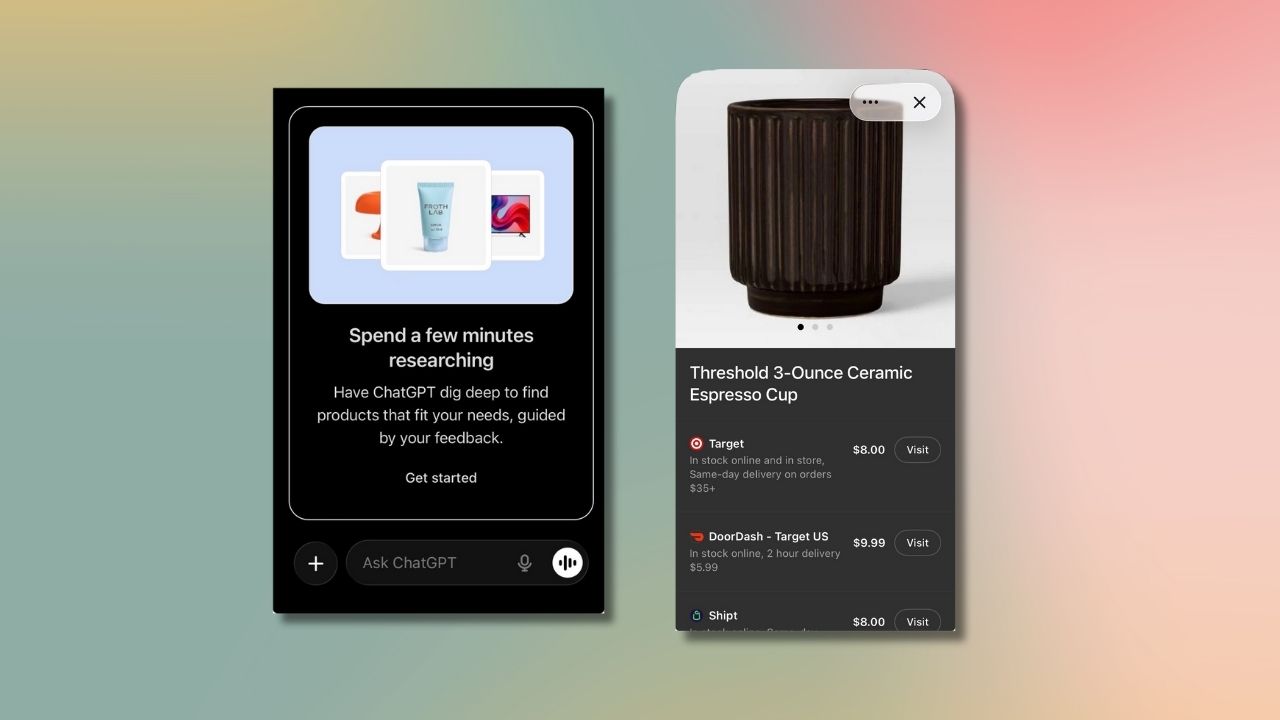
80% of consumers now use AI-generated answers for at least 40% of their searches. That means if your product data isn’t set up for AI to read and understand, you’re invisible.
How AI Shopping (‘Agentic Commerce’) Actually Works
Think of it like this: instead of a customer Googling ‘spring jacket under $120’ and scrolling through results, an AI agent does all of that for them in seconds. Here’s the three-step process:
| Step | What Happens | What This Means for You |
| 1. The AI Understands the Request | Customer says: ‘Find me a durable spring jacket under $120, delivered by Thursday’ | Your product needs structured data the AI can parse: price, availability, shipping time |
| 2. The AI Queries Your Store | The agent checks live inventory, pricing, and shipping estimates via your website/API | If your site doesn’t expose this data in a machine-readable format, you’re skipped |
| 3. The AI Completes the Purchase | The agent buys the product on the customer’s behalf — no browsing required | The customer never sees your homepage. Only your product data matters. |
What ‘Answer Engine Optimization’ (AEO) Means for Your Store
Traditional SEO was about getting humans to click on your website. AEO is about getting AI agents to choose your product. The core requirements:
- Add JSON-LD structured data to every product page: this is machine-readable markup for price, availability, return policy, and more
- Keep your inventory data real-time and accurate: AI agents will reject products that show ‘In Stock’ but can’t confirm delivery windows
- Connect your storefront to your fulfillment system via live API: scheduled sync is no longer enough
- Ask your 3PL if they support ‘Model Context Protocol’ (MCP): this is the new standard that allows AI agents to query your fulfillment data directly
Fulfillment with a Personal Touch.
See How Using a 3PL like eFulfillment Service sellers saves time. Get a Free Quote from eFulfillment Service Today!
New EU Rules: What You Must Know If You Sell (or Plan to Sell) in Europe
Two major EU regulations are taking effect in 2026 that directly impact ecommerce sellers, especially in apparel, home goods, and any packaged products.
The Digital Product Passport (DPP)
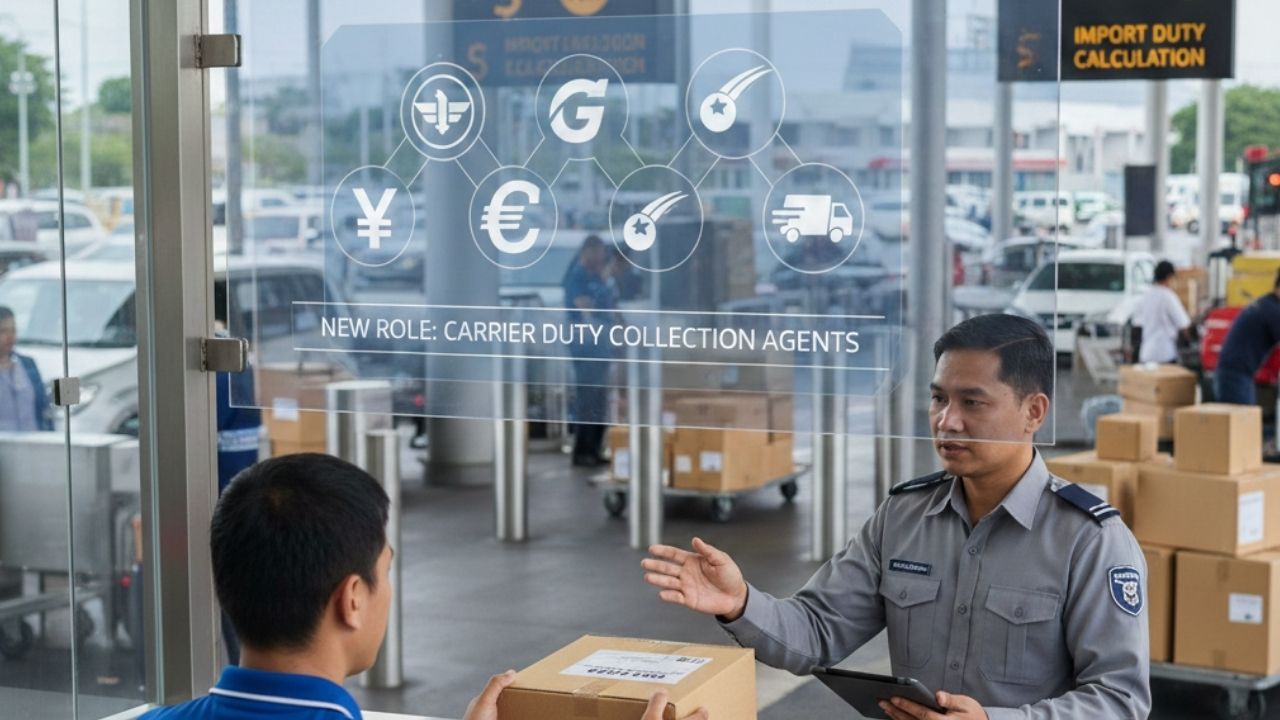
Starting in 2026 and rolling out through 2030, every physical product sold in the EU must carry a digital record that consumers can scan to learn where it was made, what it’s made from, how to recycle it, and more.
| Timeline | What Kicks In |
| 2025 (Already Active) | Textiles, apparel, furniture — working plan adopted April 2025 |
| Early 2026 | Registry established; priority categories must begin compliance |
| August 12, 2026 | General rollout begins for all physical goods |
| 2027 | Industrial and EV batteries required |
| 2030 | Full coverage of EU market |
What This Means For You
- If you sell apparel or home goods in the EU, you may already need to comply
- Each product needs a QR code linking to accurate origin, material, and recycling data
- Your 3PL will need to be able to link physical inventory to its digital record
- If you use a 3PL, ask them now how they’re handling DPP traceability
EU Packaging & Packaging Waste Regulation (PPWR) — Effective August 12, 2026
This regulation introduces strict limits on how you package your products when shipping to EU customers. The biggest change:
The 40% Empty Space Rule
No more shipping a small item in a big box with lots of fill. Your packaging must not have more than 40% empty space.
What This Means For You
- Review your current packaging: if you’re shipping small items in large boxes, that needs to change for EU orders
- Ask your 3PL if they offer right-sizing or on-demand box customization: this is the tech that builds a custom-sized box for each order
- Extended Producer Responsibility (EPR): You may be required to report your packaging volumes to EU authorities — many 3PLs can manage this for you
- US-only sellers: Even if you don’t sell to the EU today, these standards are likely to influence US packaging norms within 2–3 years
What’s Trending in Ecommerce Spring 2026
Consumer tastes this season are shaped by a desire for calm, authenticity, and ‘real’ craftsmanship, paired with bold, expressive fashion choices.

Colors to Know
|
Color Trend |
Vibe / Feel |
Best For |
|
Cloud Dancer (off-white) |
Calm, airy, clean slate |
Home goods, bedding, neutral apparel |
|
Transformative Teal |
Nature, stability, depth |
Eco-conscious fashion, outdoor gear |
|
Electric Fuchsia |
Energy, boldness, fun |
Gen Z products, social-first brands |
|
Cobalt / Violet |
Luxury, authority, impact |
Premium items, gift-worthy products |
|
Sage Green |
Balance, wellness, freshness |
Wellness, home decor, kitchen products |
Fashion: The ‘Unexpected Librarian’
This season’s dominant fashion trend mixes conservative tops (cardigans, button-ups) with bold, glamorous prints on the bottom. Craftsmanship signals value, embroidered apparel is outselling printed alternatives because it looks and feels more durable and unique.
- 66% of US consumers now say they’ll pay more for recycled fabrics, organic hemp, and linen
- Embroidered designs command higher price points than printed equivalents
- Jewel tones (teal, cobalt, violet) are performing well alongside soft neutrals

Home & Garden: ‘Spring Refresh’ Mode
Consumers are actively swapping out their winter decor and investing in items that signal renewal. High-demand categories right now:
|
Category |
Trending Items |
Why It’s Hot |
|
Garden & Outdoor |
Wind chimes, garden flags, yard signs |
Easter and spring motifs driving seasonal demand |
|
Eco Kitchenware |
PTFE-free pans, silicone reusables |
62% of shoppers prefer sustainable brands |
|
Lightweight Textiles |
Sheer curtains, spring bedding |
Seasonal ‘out with winter’ mentality |
|
Wellness Tech |
Under-cabinet lighting, wireless chargers |
Functional + aesthetic — the new home upgrade |
U.S. Based Order Fulfillment
See How Using a 3PL like eFulfillment Service sellers saves time. Get a Free Quote from eFulfillment Service Today!
Your Spring Selling Calendar
These are the key dates driving ecommerce demand between now and June. The most effective tactic: add a countdown timer showing your shipping cutoff date directly on the product page.
|
Date |
Event |
What to Sell / Do |
|
Already active |
Tax Refund Season |
Durable goods, ‘worth it’ purchases — lean into quality messaging now |
|
April 5 |
Easter |
Easter baskets, spring decor, personalized baby gifts — start promoting NOW |
|
April 22 |
Earth Day |
Sustainable products, eco packaging — ideal for green brand positioning |
|
May 10 |
Mother’s Day |
Biggest ecommerce day of Q2. Emotion-led gifts: birth month jewelry, custom portraits, personalized items. Cutoff: order by ~May 2 |
|
June 11 |
FIFA World Cup Begins |
Sports fashion, jerseys, home entertainment gear — stocking up starts now |
|
Pro Tip: Shipping Deadline Countdowns |
|
The single highest-converting tool for Q2 2026 is a simple shipping deadline on your product page: |
|
“Order by May 2 for guaranteed Mother’s Day delivery” |
|
This requires your storefront to connect to your 3PL’s real-time carrier performance data. |
|
If you don’t have this set up, talk to your fulfillment provider — it’s one of the highest-ROI changes you can make. |
What to Expect From Your 3PL in 2026
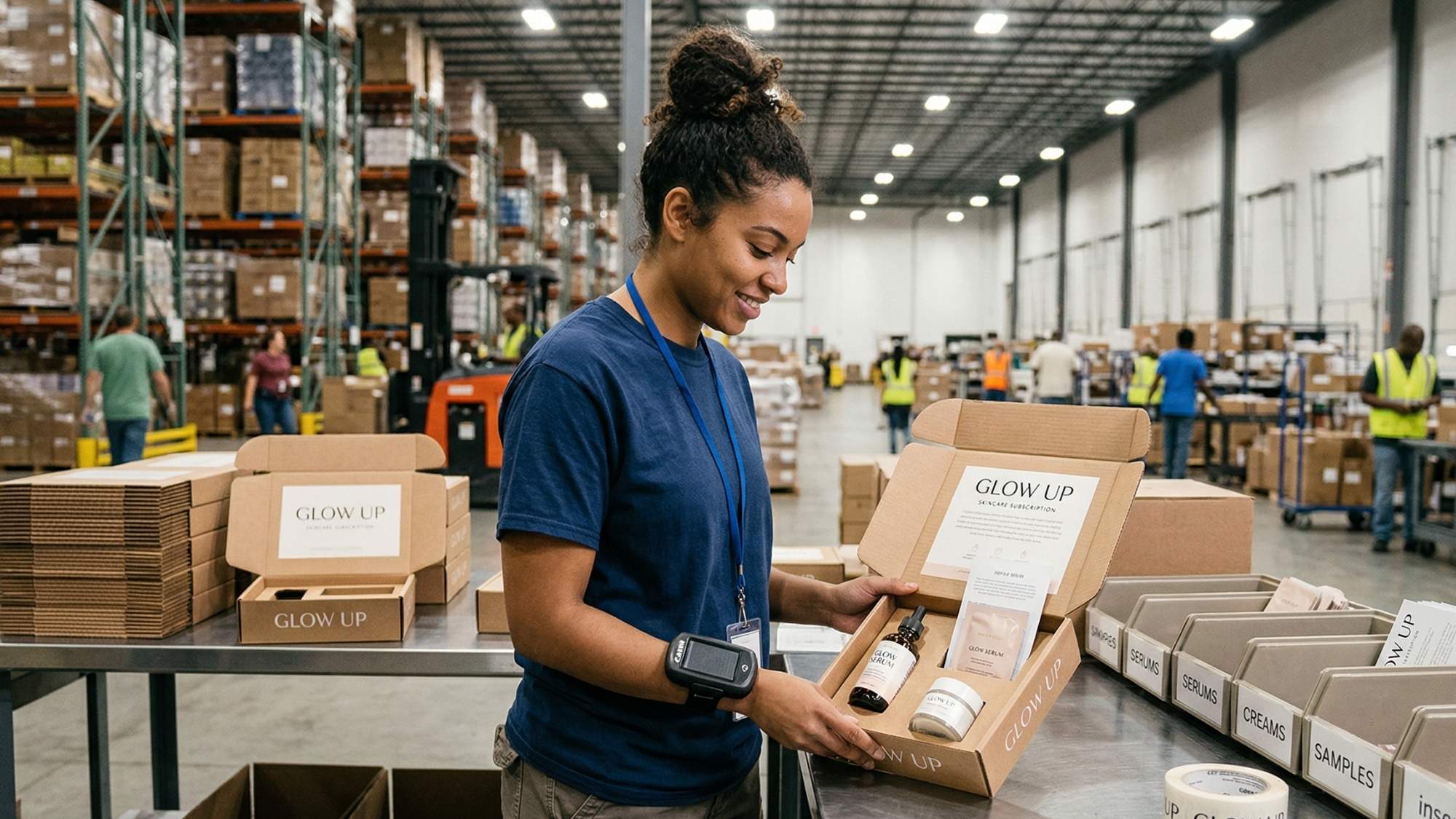
Your fulfillment partner is no longer just a warehouse. The best 3PLs in 2026 are acting as technology partners, supply chain advisors, and regulatory compliance managers. Here’s what the modern 3PL should offer:
|
Capability |
What It Does for You |
|
AI Demand Forecasting |
Pre-positions your inventory based on regional sales patterns and tax refund activity |
|
Distributed Micro-Fulfillment Centers |
Inventory closer to customers = faster delivery, lower last-mile costs (up to 10% savings) |
|
On-Demand Right-Sizing Packaging |
Custom-builds boxes per order — required for EU compliance, great for reducing waste |
|
Robotics-as-a-Service (RaaS) |
Scales warehouse capacity during peak periods (like Easter) without you paying for year-round labor |
|
Live API / MCP Integration |
Allows AI shopping agents to query your inventory in real-time — critical for agentic commerce |
|
DPP & EPR Compliance Support |
Manages digital product passport data and EU packaging reporting on your behalf |
|
Scenario Modeling / Supply Chain Design |
Helps you calculate whether nearshoring makes more sense than absorbing current disruption costs |
Ask Your 3PL These Questions
Do you have a distributed warehouse network (multiple US locations)?
Can you support live API inventory data for AI agent integrations?
How are you handling EU DPP and PPWR compliance for clients?
Do you offer on-demand right-sizing packaging?
Can you model the impact of current shipping disruptions on my specific SKUs?
Quick Reference: Your Spring 2026 Action Checklist
|
Priority |
Action Item |
Why It Matters |
|
HIGH |
Audit your inventory for 3–6 weeks of extra lead time buffer |
Hormuz/Panama disruptions are causing major transit delays |
|
HIGH |
Add structured data (JSON-LD) to your product pages |
Required for AI shopping agents to find and recommend your products |
|
HIGH |
Set up shipping deadline countdowns for Mother’s Day (cutoff ~May 2) |
Single highest-converting tactic for Q2 |
|
MEDIUM |
Review your packaging for the EU 40% empty space rule |
Required for EU sales by August 12, 2026 |
|
MEDIUM |
Ask your 3PL about DPP traceability if you sell in the EU |
Apparel/textiles already need compliance planning |
|
MEDIUM |
Update your messaging to target both premium buyers and value-seekers separately |
K-shaped economy means one message won’t work for both segments |
|
LOW |
Evaluate nearshoring options for high-volume SKUs |
81% of CEOs are moving supply chains closer to home markets |
|
LOW |
Stock spring colors: Cloud Dancer, Teal, Sage Green, Fuchsia, Cobalt |
Color forecasts are now driving consumer purchase decisions |
Sources: NRF, Deloitte, Commercetools, Retail TouchPoints, APL Logistics, Maersk, EU Commission (ESPR/PPWR), Pantone, WGSN, Morgan Stanley
Compiled March 2026
0 Comments