

Peak season in ecommerce no longer follows the calendar. It follows the platforms, and the platforms keep moving the dates. Amazon ran its summer Prime event in July in 2025, then pulled it all the way back to June 23-26 in 2026 to sidestep the FIFA World Cup and the United States’ 250th-anniversary weekend. Sellers who planned 2026 around the old July window lost close to three weeks of lead time on their single biggest summer day.
That is the real planning risk for 2027. The largest selling events of the year are increasingly manufactured and keep shifting around the calendar, while the fixed holidays still anchor the back half of Q4. Aligning inventory, labor, and shipping cutoffs to the dates that apply in 2027 is most of the difference between a clean peak and a stockout you can’t buy your way out of.
We rebuild this calendar every year, and the lesson that keeps repeating is that the movable dates move. The good news for 2027: the fixed ones line up well. Thanksgiving lands on November 25, giving a full 30-day run to a Saturday Christmas and a generous Cyber Week-to-Christmas window. This guide puts every date that matters into skimmable tables first, then walks through the data, the forces, and the fulfillment moves behind them. If you came for a quick answer, the quick-reference table below is it.
Quick reference: the 2027 ecommerce calendar at a glance
Every major U.S. shopping date for 2027, in order. Dates for platform sale events (Prime Day, Prime Big Deal Days) are predictions based on multi-year patterns and are flagged as such. Amazon confirms them roughly a month out. Everything else is a fixed or formula-based date and is confirmed.
| Date (2027) | Day | Event | Category | What it signals for sellers |
|---|---|---|---|---|
| Jan 1 | Fri | New Year's Day | Holiday | Returns surge peaks; resolution/fitness demand spikes |
| Feb 6 | Sat | Lunar New Year | Sourcing | ~6-week factory shutdown in China begins; orders should already be placed |
| Feb 14 | Sun | Valentine's Day (+ Super Bowl LXI) | Holiday + event | Gifting, flowers, jewelry; Super Bowl drives snacks/electronics |
| Mar 17 | Wed | St. Patrick's Day | Minor holiday | Apparel, party goods, beverages |
| Mar 26 | Fri | Good Friday | Religious | Pre-Easter shipping cutoff |
| Mar 28 | Sun | Easter (Western) | Holiday | Early Easter pulls spring demand forward vs. 2026 |
| ~Mar (late) | — | Amazon Spring Sale Predicted | Platform sale | Spring clearance event; confirm dates in Feb |
| May 9 | Sun | Mother's Day | Holiday | Gifting, flowers, beauty; one of the top floral days |
| May 31 | Mon | Memorial Day | Holiday | Summer kickoff; outdoor, apparel, home |
| Jun 20 | Sun | Father's Day | Holiday | Tools, electronics, apparel gifting |
| Jul 4 (obs. Jul 5) | Sun | Independence Day | Holiday | Summer sales peak; outdoor, grilling, apparel |
| ~Jul (mid) | — | Amazon Prime Day Predicted | Platform sale | Expected to return to ~mid-July; confirm in June |
| Mid-Jul–mid-Sep | — | Back-to-school & college | Season | Record spend in 2026; peaks around Labor Day |
| Sep 6 | Mon | Labor Day | Holiday | End-of-summer clearance; Q4 inventory should be landing |
| ~Oct (early) | — | Prime Big Deal Days Predicted | Platform sale | Fall kickoff event; confirm in Sept |
| Oct 31 | Sun | Halloween | Holiday | Costumes, candy, décor; marks start of holiday ramp |
| Nov 11 | Thu | Singles' Day (11.11) | Global sale | World's largest shopping day; relevant for cross-border |
| Nov 25 | Thu | Thanksgiving | Mega-event | Online shopping begins in earnest |
| Nov 26 | Fri | Black Friday | Mega-event | Peak traffic day of the year |
| Nov 27 | Sat | Small Business Saturday | Mega-event | Key day for SMB and DTC brands |
| Nov 29 | Mon | Cyber Monday | Mega-event | Largest single online sales day in the U.S. |
| Nov 30 | Tue | Giving Tuesday | Cause event | Nonprofits, cause-marketing brands |
| Dec 13 | Mon | Green Monday | Online event | Last big online push before shipping cutoffs tighten |
| ~Dec 15 | Wed | Ground shipping cutoff (est.) | Logistics | Last economical ground window for Dec 25 arrival |
| Dec 18 | Sat | Super Saturday (Panic Saturday) | Mega-event | Last Saturday before Christmas; procrastinator peak |
| Dec 24 | Fri | Hanukkah begins (sundown) + Christmas Eve | Holiday | Late Hanukkah overlaps Christmas this year |
| Dec 25 | Sat | Christmas Day | Holiday | Demand shifts to e-gift cards and digital |
| Dec 26 | Sun | Kwanzaa begins / Boxing Day | Holiday | Post-holiday clearance; returns wave starts |
| Dec 31 | Fri | New Year's Eve | Holiday | Year-end clearance; party and apparel |
2027 shopping-season windows
For planning inventory and labor rather than single days, these are the windows that actually shape the year.
| Season / window | Timeline (2027) | Peak period | Planning note |
|---|---|---|---|
| Post-holiday returns & resolutions | Jan 1 – late Jan | First two weeks of January | Returns processing capacity matters more than sales |
| Spring / Easter | Mid-Feb – Mar 28 | Two weeks before Easter | Easter is early; compress spring campaigns |
| Summer | Memorial Day (May 31) – Labor Day (Sep 6) | Prime Day + July 4 | Includes the summer platform-sale peak |
| Back-to-school & college | Mid-July – mid-Sept | Three weeks around Labor Day | Record 2026 spend; value-focused shoppers |
| Fall kickoff | Early Oct (Big Deal Days) – Halloween | Prime Big Deal Days week | Pulls holiday demand into October |
| Holiday / Q4 peak | Nov 1 – Dec 24 | Cyber Week (Nov 25 – 30) | 30-day Thanksgiving-to-Christmas runway |
| Peak returns | Dec 26 – late Jan 2028 | First two weeks of January | Up to ~30% of holiday apparel comes back |
From First Sale to Sold Out—Without Packing a Single Box
Contact us and we'll tell you how we can improve your fulfillment experience and efficiency.
The engineered peak days: Prime Day, Big Deal Days, and the platform sales
The four or five dates that move the most revenue aren't holidays at all. They're sale events invented by platforms in the last decade, and they've become the real tentpoles of the selling year. They also move, which is why they sit in their own section.
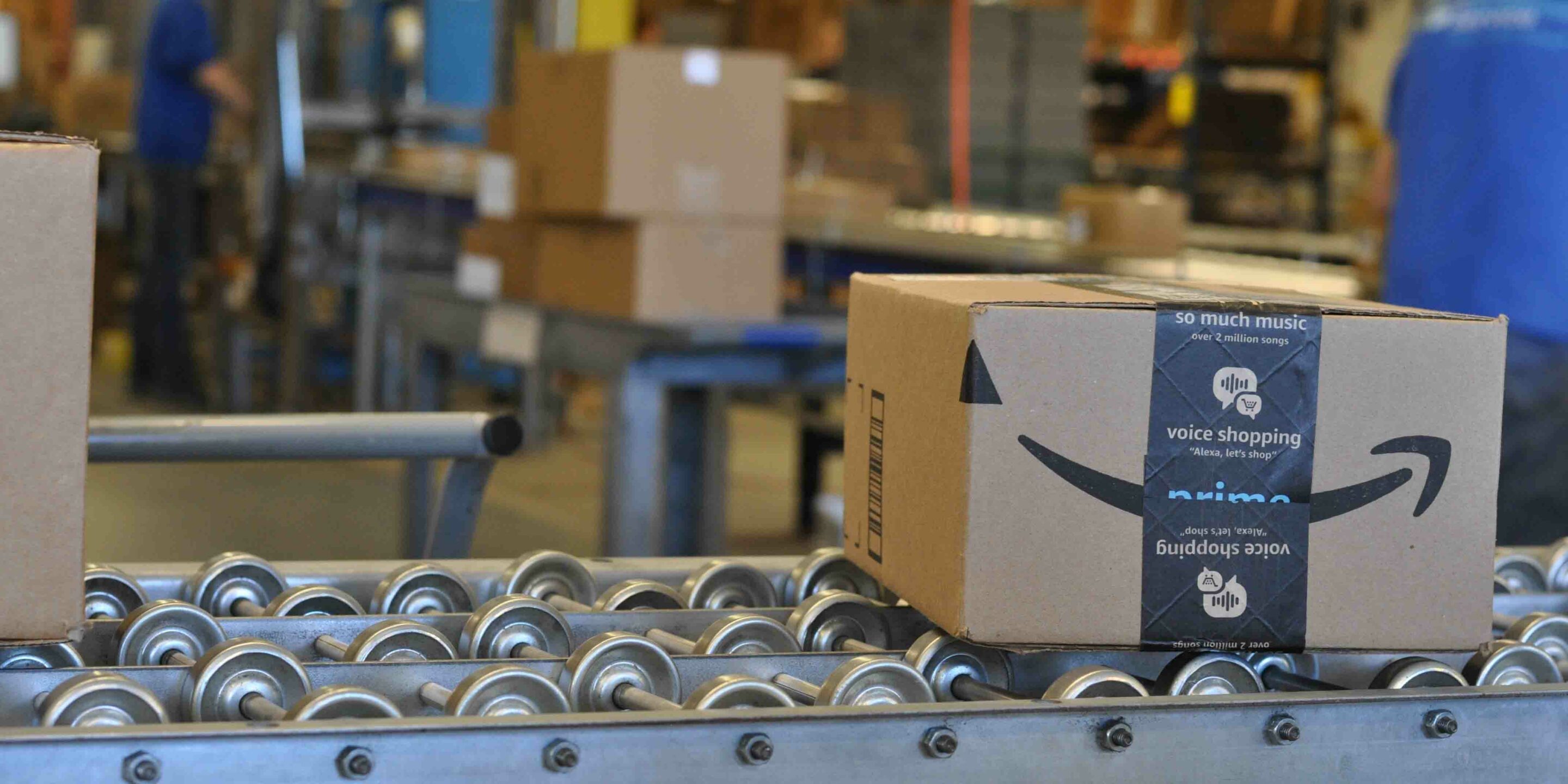
Amazon Prime Day (summer): predicted mid-July 2027
Prime Day has drifted for three years running. It ran two days in July through 2024, expanded to a four-day event July 8-11 in 2025, then moved earlier than ever to June 23-26 in 2026. Amazon's stated reason for the 2026 move was to avoid the FIFA World Cup (June 11 to July 19) and the U.S. 250th-anniversary celebrations around July 4.
Both of those conflicts disappear in 2027, so the most likely outcome is a return to Amazon's traditional mid-July window, roughly the week of July 12-18, 2027, probably as a four-day event. Treat that as a forecast rather than a settled date. We're calling July for 2027, but we've been wrong before: almost nobody saw the June 2026 move coming until Amazon announced it. The company has shifted the date two years in a row and only confirms about four to six weeks ahead, so build your plan around a July window and keep inventory flexible enough to pull forward if Amazon surprises everyone again.
Prime Big Deal Days (fall): predicted early October 2027
Amazon's fall event has been far more consistent, and it's drifting slightly earlier each year:
| Year | Prime Big Deal Days dates |
|---|---|
| 2023 | October 10–11 |
| 2024 | October 8–9 |
| 2025 | October 7–8 |
| 2026 | October 6–7 |
Following that pattern, expect Prime Big Deal Days in the first week of October 2027, likely October 5-6 or the first full week. This event now functions as the official start of holiday shopping, pulling a meaningful share of Q4 demand into early October.
The competitive sale stack
Amazon no longer owns these windows alone. Walmart, Target, and most large retailers now run competing events timed to Amazon's. Walmart Deals and Target Circle Week both ran alongside the 2026 summer and fall events. For sellers, that means two things: the discount expectation now spans the whole week around each Amazon event, and ad costs spike across every channel during those windows. Plan promotional margin accordingly.
Prime Day inventory needs to land weeks early
If you sell on Amazon, FBA receiving slows to a crawl in the two weeks before any Prime event. eFulfillment Service handles FBA prep and inventory forwarding so your units are checked in and sellable before the deals go live, instead of stuck in a receiving queue.
The full 2027 calendar, quarter by quarter
The same dates, broken into quarters with the detail that doesn't fit a one-line summary. Use these to build your promotional and inventory calendar.
Q1 2027: January to March (the sourcing quarter)
Q1 barely registers on the sales chart, yet the sourcing decisions made here, especially around Lunar New Year, determine whether Q4 inventory arrives on time.
| Date | Day | Event | Notes |
|---|---|---|---|
| Jan 1 | Fri | New Year's Day | Returns peak; health, fitness, organization categories spike |
| Jan 18 | Mon | Blue Monday | Informal "most depressing day"; used for discount pushes |
| Feb 6 | Sat | Lunar New Year (Year of the Goat) | Chinese factories close ~6 weeks; place reorders well before |
| Feb 10 | Wed | Ash Wednesday | Start of Lent |
| Feb 14 | Sun | Valentine's Day | Jewelry, flowers, confection, experiences |
| Feb 14 | Sun | Super Bowl LXI | First Super Bowl on Valentine's Day; snacks, TVs, apparel |
| Feb 15 | Mon | Presidents' Day | Mattress, appliance, and furniture sales anchor |
| Mar 17 | Wed | St. Patrick's Day | Apparel, party, beverage |
| Mar 26 | Fri | Good Friday | Pre-Easter cutoff |
| Mar 28 | Sun | Easter (Western) | Early this year, so spring demand arrives sooner |
| Late Mar | — | Amazon Spring Sale Predicted | Spring clearance event; typically late March |
The Lunar New Year squeeze. Lunar New Year lands on February 6, 2027, early in the year and just eight days before Valentine's Day, stacking the sourcing shutdown right against a gifting holiday. Manufacturing across China and much of Asia pauses for roughly six weeks around it. Any goods you need for spring, along with the long-lead components of your Q4 assortment, should be ordered before the end of 2026. (Blue Monday, three weeks earlier, is worth noting mostly as trivia: a travel firm's PR campaign invented it, and retailers now discount into it anyway.)
Q2 2027: April to June (spring into summer)
| Date | Day | Event | Notes |
|---|---|---|---|
| Apr 21 | Wed | Passover begins (sundown) | Grocery, gifting |
| May 2 | Sun | Orthodox Easter | Relevant for Eastern European markets |
| May 9 | Sun | Mother's Day | Top floral and beauty day; gifting peak |
| May 31 | Mon | Memorial Day | Summer-season kickoff; outdoor, home, apparel |
| Jun 19 | Sat | Juneteenth | Growing retail recognition |
| Jun 20 | Sun | Father's Day | Tools, grooming, electronics, apparel |
| ~Jul (mid) | — | Prime Day season begins (see above) | Plan Q2 ordering to land before the summer event |
Mother's Day and Father's Day are the anchors here. Both are gifting holidays with hard delivery deadlines, which makes shipping reliability the deciding factor for the customer, ahead of price. The late-June stretch is also when Q3 and early-Q4 inventory planning should be locked.
Q3 2027: July to September (summer sales and back-to-school)
| Date | Day | Event | Notes |
|---|---|---|---|
| Jul 4 (obs. Jul 5) | Sun | Independence Day | Peak summer sale weekend |
| ~Jul 12–18 | — | Amazon Prime Day Predicted | Biggest summer event; confirm date in June |
| Mid-Jul – mid-Sep | — | Back-to-school & college | Record 2026 spend; value-driven shoppers |
| Sep 6 | Mon | Labor Day | Summer clearance; Q4 stock should be arriving |
| Sep 6 – Oct | — | Early holiday ramp | Halloween and holiday inventory inbound |
Back-to-school has quietly become one of the largest seasons of the year. In 2026, the National Retail Federation projected record combined back-to-school and back-to-college spending of about $146.8 billion, with college alone passing $100 billion for the first time at roughly $103.5 billion. One figure from that same survey cuts against the "everything is online now" story: only about 41% of off-to-college families planned to shop online, the lowest share since 2016, a reminder that even these categories are increasingly omnichannel.
Q4 2027: October to December (the main event)
| Date | Day | Event | Notes |
|---|---|---|---|
| ~Oct 5–6 | — | Prime Big Deal Days Predicted | Official start of holiday shopping |
| Oct 11 | Mon | Indigenous Peoples' / Columbus Day | Minor sale day |
| Oct 31 | Sun | Halloween | Costumes, candy, décor |
| Nov 11 | Thu | Singles' Day (11.11) | World's largest shopping day globally |
| Nov 11 | Thu | Veterans Day | Promotions, military discounts |
| Nov 25 | Thu | Thanksgiving | Online shopping ramps through the evening |
| Nov 26 | Fri | Black Friday | Highest-traffic day of the year |
| Nov 27 | Sat | Small Business Saturday | Core day for SMB and DTC brands |
| Nov 29 | Mon | Cyber Monday | Largest U.S. online sales day |
| Nov 30 | Tue | Giving Tuesday | Cause marketing, nonprofits |
| Dec 13 | Mon | Green Monday | Last major online demand spike before cutoffs |
| ~Dec 14–15 | — | Free Shipping Day / ground cutoff (est.) | Last economical ground window for Dec 25 |
| Dec 18 | Sat | Super Saturday | Last Saturday before Christmas; procrastinator peak |
| Dec 24 | Fri | Christmas Eve / Hanukkah begins (sundown) | Digital gift cards dominate; late Hanukkah |
| Dec 25 | Sat | Christmas Day | Demand shifts fully to digital |
| Dec 26 | Sun | Kwanzaa / Boxing Day | Clearance and returns wave begins |
| Dec 31 | Fri | New Year's Eve | Year-end clearance |
Two calendar quirks shape Q4 2027. First, the 30-day Thanksgiving-to-Christmas window is relatively long, giving you more selling days and more room for a second promotional wave in mid-December. Second, Hanukkah begins at sundown on December 24, unusually late, so Jewish-holiday gift demand compresses into the same final week as Christmas rather than running ahead of it.
A January returns backlog ties up sellable stock
The returns wave that starts December 26 can lock up capital for weeks if it isn't processed fast. eFulfillment Service runs returns processing that inspects, restocks, or dispositions returned goods quickly, so your post-holiday inventory isn't sitting on a receiving dock.
What the 2027 numbers say: market size and consumer behavior
Beyond the dates themselves, a handful of 2027 projections frame how much is actually at stake and where the money is moving.
The headline numbers
Global ecommerce is on track for roughly $7.4 to $7.6 trillion in 2027, growing around 7% a year. U.S. retail ecommerce is projected near $1.7 trillion for the full year, approaching a quarter of all U.S. retail sales. Those are healthy numbers, but the growth is concentrating into the engineered peak days above rather than spreading evenly across the year. (Forecasts vary by firm and by how each one defines ecommerce, so treat the ranges as directional.)
The spending paradox
Here's the tension worth planning around. The forecasts say spending is up; the surveys say shoppers are nervous.
- Up: For the 2026 holiday season, Adobe projected a record $275.1 billion in U.S. online spending over November to December (+6.7% year over year), with a single-day Cyber Monday above $15 billion. Deloitte projected total holiday retail sales of $1.70 to $1.71 trillion.
- Nervous: The same period, Deloitte's consumer survey registered its least-optimistic holiday reading in the survey's 40-year history, and Circana reported average planned spending slipping, with roughly three in four shoppers planning money-saving behaviors.
Both are true at once — total dollars grow because more buying moves online and prices are higher, while individual shoppers trade down, wait for sale events, and abandon carts over shipping costs and delivery dates. For 2027, that rewards sellers who compete on reliability and free or fast shipping rather than on being the cheapest. It also punishes thin inventory, because a value-focused shopper who hits an out-of-stock simply buys elsewhere.

1. The end of de minimis changed import math
This is the biggest structural change in years. The U.S. de minimis exemption, which let imports under $800 enter duty-free, ended for China and Hong Kong on May 2, 2025, and for all remaining countries on August 29, 2025. Low-value parcels now owe duties and require formal or informal customs entry.
The effects are already visible. Low-value import shipments dropped sharply after the change, and sellers who relied on shipping individual orders directly from overseas factories lost their cost advantage overnight. The response reshaping fulfillment in 2027 is a shift to bulk import plus domestic fulfillment: bringing goods in as a wholesale consignment, where duty is assessed on wholesale value, then fulfilling to U.S. customers from a domestic warehouse.
The EU moved the same direction, replacing its €150 exemption with an interim flat €3 duty on parcels under €150 starting July 1, 2026. The one thing we can't forecast is where tariff rates finally settle — they've changed repeatedly, so anyone quoting you a firm 2027 number is guessing, and your pricing should leave room to absorb the swings. What is clear is the direction: for cross-border sellers, 2027 is the year domestic inventory positioning stops being optional.
2. Agentic AI starts to mediate purchases

2027 is a rollout year for AI shopping agents rather than a mature one, though the groundwork matters now. McKinsey estimates AI agents could mediate trillions of dollars of consumer commerce by 2030. Consumer trust is still lopsided: surveys show most shoppers are comfortable letting AI compare prices, but only a small minority will let it actually place the order. No one really knows how fast buyers will hand purchases to an agent, and the trust data so far points both ways.
The practical takeaway for sellers is unglamorous. Structured product data wins. Agents evaluate products on clean, machine-readable attributes: price, availability, dimensions, return terms. Accurate inventory counts and complete product feeds are becoming a ranking factor for AI-driven discovery, the same way they already are for marketplace search.
3. Social and mobile are the storefront
Social commerce is on track to reach roughly 20% of global ecommerce. Mobile is the connective layer, the device where discovery, social, payments, and AI assistance converge into a single purchase path that often never touches a search engine. For 2027 planning, livestream and shoppable-social inventory needs to be synced to the same stock pool as your website and marketplaces, or you'll oversell during a viral moment.
4. Returns scale with growth and eat into margin
Returns scale with online growth, and the holidays make them worse. Average ecommerce return rates run around 20%, with apparel closer to 25% and online holiday apparel returns pushing toward 30%. Across all U.S. retail, returns reached roughly $850 billion in 2025 (about 15.8% of sales, per NRF-cited figures). The cost to process a single return commonly runs $10 to $65, and by some estimates can erase up to half a product's margin.
The sellers who protect margin in 2027 treat returns as an operations discipline: fast processing to get sellable units back into stock, clear policies that redu
How to build your 2027 fulfillment calendar
A date list is only useful if it maps backward to the decisions that make those dates profitable. Here's how the 2027 calendar translates into an operating plan.

Work backward from the cutoffs, not forward from the sale
The dates that constrain you are shipping cutoffs and receiving deadlines, which sit before the sale. A rough 2027 backward plan from Christmas:
- ~December 15 (est.): Last economical ground-shipping window for Dec 25 delivery. Communicate this cutoff to customers everywhere.
- Early December: Expedited becomes the only on-time option; margins compress.
- Mid-November: All Q4 inventory should be received and shelved, with nothing still in transit.
- September to October: Inbound Q4 stock lands; FBA and 3PL receiving queues are already lengthening.
- Before end of 2026: Long-lead and overseas orders placed ahead of the February 6 Lunar New Year shutdown.
Match inventory to the right demand curve
Holiday demand follows several overlapping curves. Prime Big Deal Days in early October pulls demand forward; Cyber Week concentrates it; Super Saturday (December 18) catches procrastinators. Carrying enough safety stock to survive a Cyber Monday spike without overstocking into January is the core inventory tension of Q4.
Plan labor and capacity for the peaks, not the average
The gap between an average day and Cyber Monday can be 5-10x in order volume. Staffing for that spike year-round is wasteful, and staffing only for the average guarantees missed ship dates once November hits. That squeeze is the clearest argument for a 3PL partner: flexible pick-pack-ship capacity that absorbs the peak, so you don't over-hire for a volume you only see six weeks a year.
Set shipping promises you can actually keep
Delivery date has become a conversion factor in its own right. Cautious 2027 shoppers abandon carts over slow or expensive shipping more readily than over the product price itself, and a missed delivery promise during the holidays generates a support ticket, a refund request, and often a lost customer.
The move is to publish honest cutoff dates and hit them, rather than promising speed you can't deliver through peak. Centrally located fulfillment helps here: a single well-placed U.S. warehouse can reach most of the country in two to three ground days, which covers the bulk of holiday orders without the cost of expedited shipping.

Align your promotional calendar to the platform events
Your discounts should live inside the windows shoppers already expect to find deals, rather than scattered across the quarter. Build your 2027 promo calendar around the five engineered peaks (the spring sale, Prime Day, back-to-school, Prime Big Deal Days, and Cyber Week), and hold margin for the ad-cost spikes that hit every channel during those weeks.
The mid-December gap between Green Monday and the shipping cutoff is the one underused window worth claiming in 2027: the long runway leaves just enough time to push again before deliveries stop.
Protect against the one risk you can't recover from
You can discount your way out of excess inventory in January. You cannot manufacture inventory you don't have during Cyber Week. When demand data is uncertain, the asymmetry favors slightly more stock on your fastest movers: a modest carrying cost against a stockout that sends a value-shopping customer straight to a competitor.
Channel notes: Amazon, DTC, and marketplaces in 2027
Where you sell changes how the 2027 calendar hits you. A Cyber Monday that's a receiving-deadline problem on Amazon is an inventory-sync problem on your own Shopify store.

Amazon sellers (FBA and FBM)
Amazon's receiving queues are the real deadline. In the weeks before Prime Day, Prime Big Deal Days, and Cyber Week, FBA check-in times stretch, and inventory that arrives late sits unsellable through the exact window you sent it for. Many sellers hedge with a split model: core stock in FBA, with overflow held at a 3PL that can prep and forward units into Amazon on demand or ship FBM orders directly when FBA runs dry. For multi-SKU bundles and gift sets, kitting and light assembly done before units reach Amazon avoids FBA's per-unit prep fees.
DTC and Shopify brands
On your own store you own the entire experience, and the entire fulfillment burden with it. The 2027 priorities are a checkout that shows accurate delivery dates, inventory synced in real time so a promotion doesn't oversell, and a returns flow that doesn't bury you in January. Brands running subscriptions or recurring boxes have an added layer: predictable monthly volume plus holiday spikes on top, which rewards a fulfillment setup that handles both.
Multi-channel and marketplace sellers
Selling across your site, Amazon, Walmart, eBay, and social shops multiplies the oversell risk, because every channel is drawing from inventory that has to reconcile to one real number. A single stock pool feeding all channels, rather than manually split allocations, is what keeps a viral social moment or a Cyber Monday surge from turning into cancellations and marketplace penalties. This is where centralized third-party fulfillment earns its keep for sellers past the garage stage.
2027 ecommerce calendar: frequently asked questions
2027 ecommerce calendar: frequently asked questions
Tap a question to expand the answer
Amazon hasn't confirmed Prime Day 2027 yet. Based on its history (mid-July for most years, July 8-11 in 2025, then June 23-26 in 2026 to avoid the World Cup and the U.S. 250th anniversary), the most likely 2027 date is a return to the mid-July window, roughly the week of July 12-18, probably as a four-day event. Amazon typically confirms four to six weeks out, so plan around July but keep inventory flexible.
Amazon's fall event has landed in the first week or two of October every year and has drifted slightly earlier (October 6-7 in 2026, October 7-8 in 2025). Expect Prime Big Deal Days in early October 2027, most likely the first full week.
For 2027: Thanksgiving is November 25, Black Friday is November 26, Small Business Saturday is November 27, Cyber Monday is November 29, and Giving Tuesday is November 30. Cyber Monday is the single largest online sales day in the U.S.
Thirty. Thanksgiving falls on November 25 and Christmas on December 25, 2027, a relatively long window that gives sellers more selling days and room for a second mid-December promotional push before shipping cutoffs.
All Q4 inventory should be received and shelved by mid-November 2027, not still in transit. Inbound stock should be landing in September and October, and any overseas or long-lead orders should be placed before the February 6, 2027 Lunar New Year factory shutdown, which pauses Asian manufacturing for about six weeks.
The U.S. duty-free de minimis exemption for sub-$800 imports ended in 2025, so low-value parcels shipped directly from overseas now owe duties and require customs entry. For most sellers, the cost-efficient model in 2027 is importing in bulk and fulfilling to customers from a U.S. domestic warehouse rather than shipping individual international orders.
Structurally, the shift to domestic bulk-import fulfillment driven by tariff and de minimis changes. Behaviorally, the split between rising total online spend and more cautious individual shoppers, which puts a premium on reliable, fast shipping and well-stocked inventory over the lowest price.
Key takeaways
- Plan to 2027's dates, not last year's. Platform events move. Amazon's summer Prime Day went from mid-July (2025) to late June (2026) and likely back to mid-July in 2027, so confirm each event ~4-6 weeks out.
- 2027 is a generous calendar. Thanksgiving (Nov 25) to a Saturday Christmas gives a 30-day peak window, with Cyber Monday on November 29.
- The sourcing deadline is already here. Lunar New Year on February 6, 2027 pauses Asian manufacturing ~6 weeks; long-lead and Q4 orders should be placed before the end of 2026.
- De minimis is gone, so position inventory domestically. Bulk import plus U.S. fulfillment is now the cost-efficient model for cross-border sellers.
- Spending is up but shoppers are cautious. Record online dollars alongside the most cautious holiday survey reading in 40 years put a premium on reliability and stock depth over lowest price.
- Returns are a margin issue. With ~20% average return rates (near 30% for holiday apparel) and $10 to $65 to process each, fast returns handling protects both capital and sellable stock.
Which stage are you in?
The right 2027 move depends on where your business sits today.
Under ~500 orders/month (still fulfilling in-house or garage-based). Your 2027 risk is Cyber Week, when a 5-10x volume spike turns a one-person operation into a bottleneck. At this volume you may be better off keeping fulfillment in-house and pocketing the margin; the case for outsourcing only gets compelling as you approach peak. Use the quiet Q1 sourcing quarter to decide, and when you do outgrow the garage, fulfillment for startups and growing brands is built for exactly that transition.
~500-5,000 orders/month (outgrowing your current setup). You likely felt the strain last peak. The priorities for 2027 are receiving inventory early (mid-November, not December), syncing stock across your website, marketplaces, and social channels, and a returns process that restocks fast. A 3PL that scales with your volume removes the over-hiring problem.
Over ~5,000 orders/month (peak is a logistics operation). Your constraints are receiving capacity, labor, and shipping-cost optimization across carriers. The de minimis shift and bulk-import strategy likely change your landed-cost math meaningfully. This is where high-volume fulfillment and disciplined peak planning protect margin at scale.
Wherever you land, the planning window for 2027 is now, not October. eFulfillment Service helps ecommerce sellers position inventory, scale through peak, and handle returns without staffing for a volume they only see a few weeks a year. Get a free quote from eFulfillment Service and build your 2027 fulfillment plan before the calendar does it for you.
Additional Resources
Sources
- Oberlo / industry aggregators: Global ecommerce sales growth
- Adobe: U.S. holiday online spending forecast
- Deloitte: Holiday retail sales forecast
- National Retail Federation: Back-to-school and college spending
- Amazon: Prime Big Deal Days 2026 dates
- eMarketer: De minimis end and tariff impact on ecommerce
Did you know partnering with a 3PL could grow your eCommerce Business?
Get a free quote from eFulfillment Service and see how a 3PL could simplify your eCommerce fulfillment for the peak season!


0 Comments