A Kickstarter campaign runs for a month or so. Kickstarter’s own guidance says the work that follows usually takes about a year from the day a campaign ends to the day the last backer receives their reward. Most of a funded project’s calendar comes after the campaign closes, and that’s when pricing mistakes made before launch finally get paid for.
The expensive ones tend to look small at the time: a shipping price set from the product’s weight instead of the box’s, reward tiers that turn into dozens of kit combinations, international backers with no customs plan. This guide walks through Kickstarter fulfillment phase by phase, from pricing shipping before launch to selling the leftover inventory after the last backer box ships, and links to our deeper guides along the way.
The six phases of Kickstarter fulfillment
Fulfillment runs in six phases, and each one depends on decisions made in the one before.
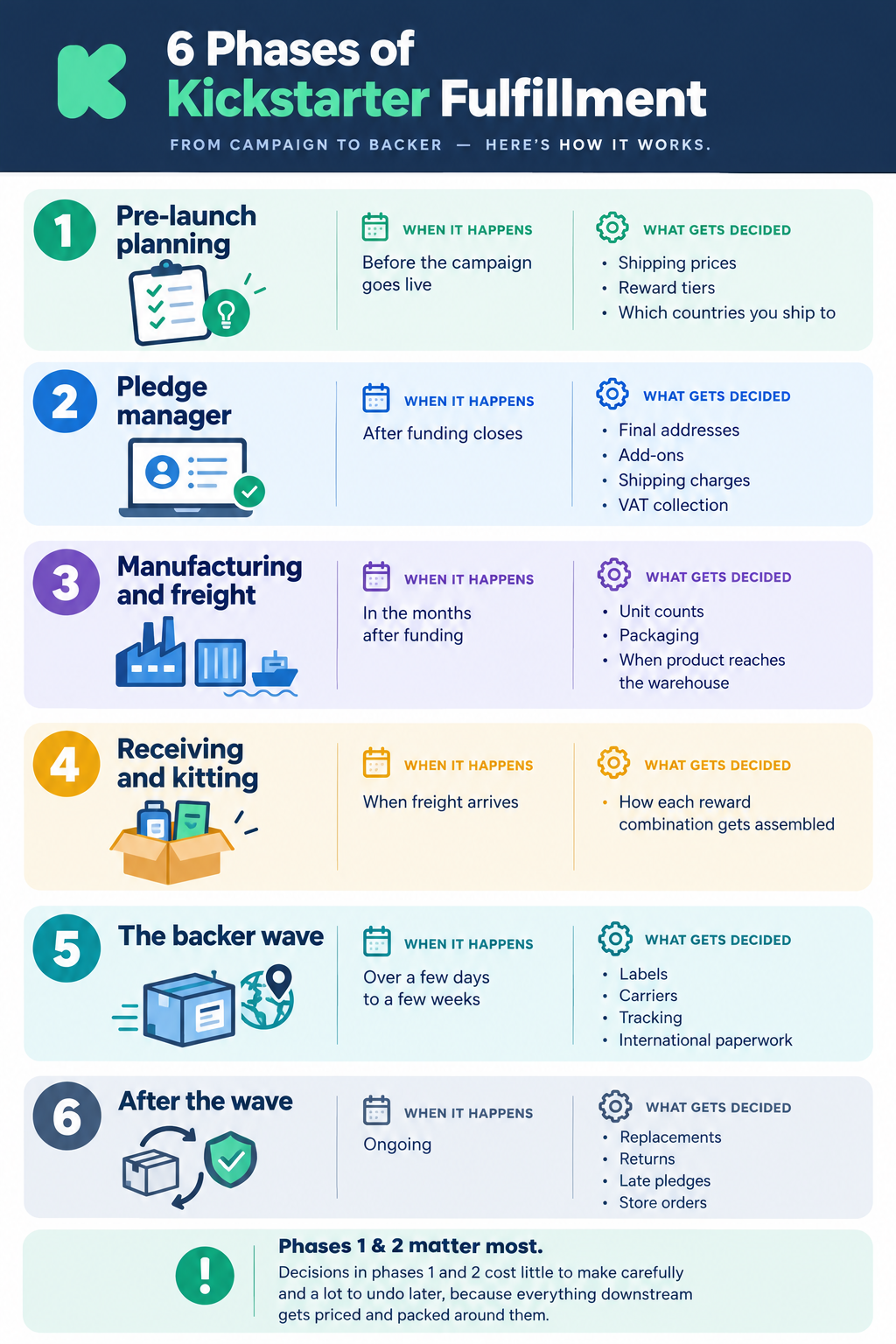
Before launch: price shipping from the finished box
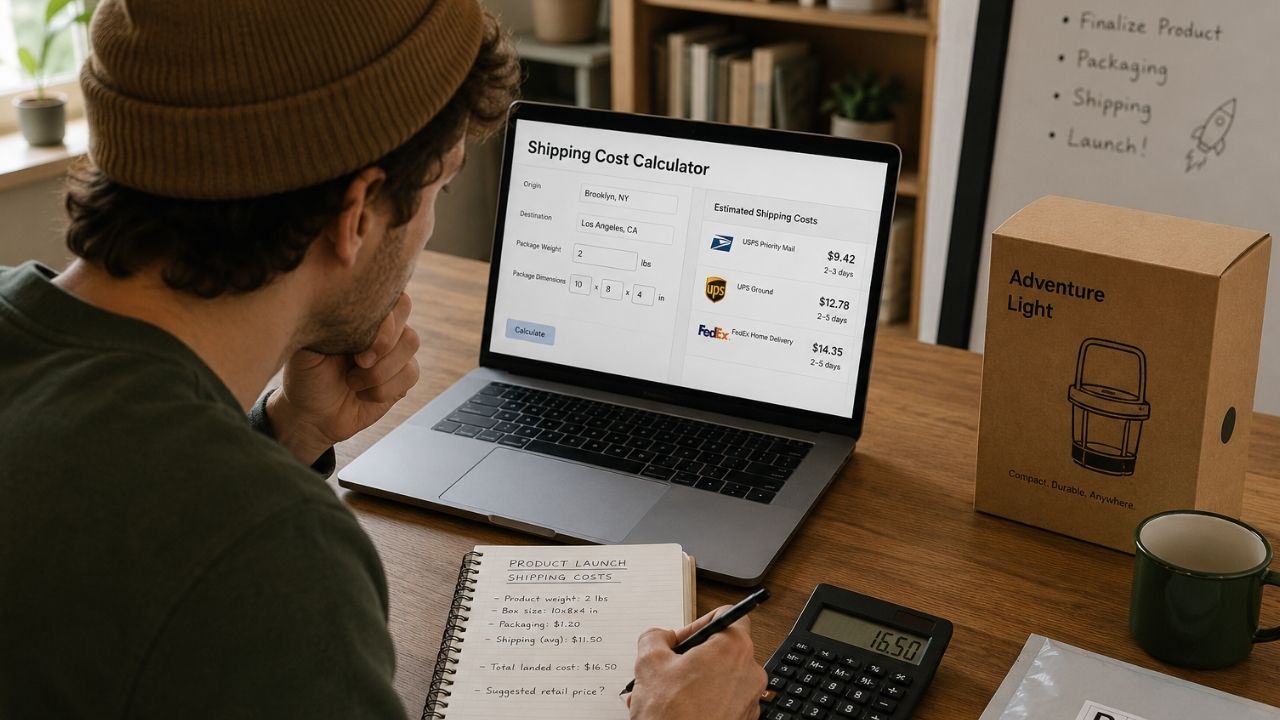
Shipping is an easy line to underprice. One crowdfunding cost guide describes creators budgeting around $10,000 for shipping and fulfillment and facing a bill closer to $35,000. A common cause is pricing from the product's weight. Carriers bill on billable weight, which is the greater of actual weight and dimensional weight, and a light reward in a big box bills on its size.
The 2026 dimensional weight change
USPS dropped its dimensional weight divisor from 166 to 139 in July 2026, matching UPS and FedEx. For a light box over one cubic foot, which is where USPS applies dimensional weight, that means a higher billable weight than before, and any USPS estimate built before July 2026 should be rerun.
|
Box (inches) |
Actual weight |
Billable weight at 166 |
Billable weight at 139 |
|---|---|---|---|
|
14 × 12 × 11 |
3 lbs |
12 lbs |
14 lbs |
Our Kickstarter shipping cost calculator guide walks through the math by region, and the free dimensional weight calculator handles a single box.
What to lock down before launch
- Final box dimensions and packed weight. A prototype in a guessed box doesn't count.
- Which countries you'll ship to, and whether international backers pay duties up front.
- How many add-ons and tiers you'll offer. Every combination becomes a separate kit later.
- A fulfillment quote against that box and an estimated backer count.
Our pre-launch fulfillment checklist covers the full list, and the guide to pricing your crowdfunding campaign shows how shipping fits into tier pricing.
Ship late pledges with the original rewards
Once your production run lands, eFulfillment Service ships late pledges and pre-orders alongside the original backer rewards, so latecomers aren't stuck in a separate queue.
Pledge managers and the backer data handoff
A pledge manager collects what the campaign page didn't: final addresses, add-on purchases, shipping charges, and sometimes VAT. Kickstarter now runs its own pledge manager, and BackerKit, Gamefound, and PledgeBox are the common third-party options. None of them ship anything. What matters for fulfillment is the export, which has to reach the warehouse in a format it can import without hand-editing thousands of rows.
Charge shipping now or later?
|
Approach |
Upside |
Downside |
|---|---|---|
|
Charge shipping during the campaign |
Money is collected while backers are excited |
Requires an estimate before addresses are final |
|
Charge shipping in the pledge manager |
Exact rates by destination |
Pledge manager fees apply to money collected there |
BackerKit, for example, takes a 2% campaign fee on the first $50,000 raised plus a transaction fee on money processed through the tool, shipping charges included. Our guide to how BackerKit, Gamefound, and PledgeBox connect to your 3PL covers export formats and timing.
Set an address-change deadline before the wave. Backer addresses are often collected months before shipping, so a final address-change deadline a week or two before the wave saves a lot of returned packages.
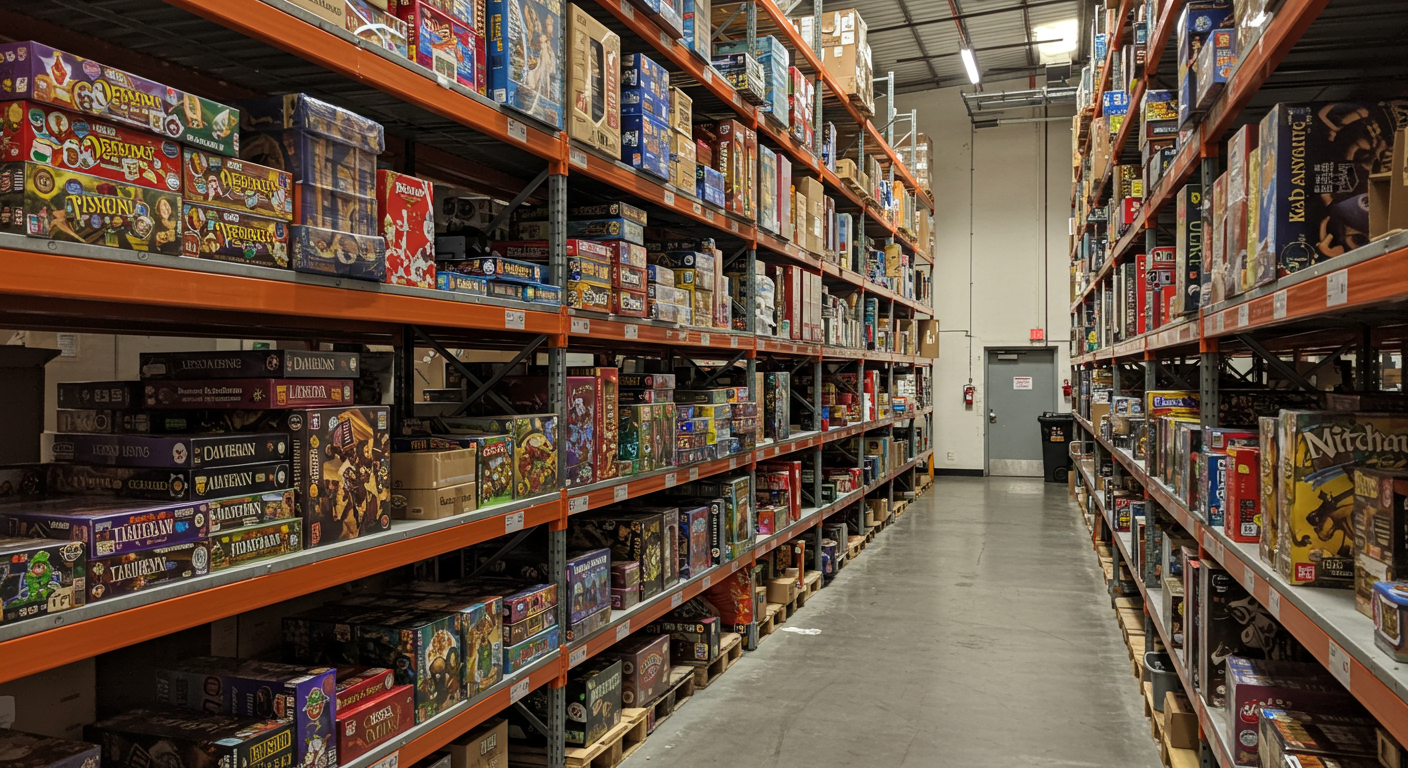
Plan storage for the surplus you do order
eFulfillment Service can quote your order volume, kit complexity, and climate-control needs as separate, itemized lines instead of one blended "premium storage" number.
Self-fulfillment, Amazon, or a 3PL
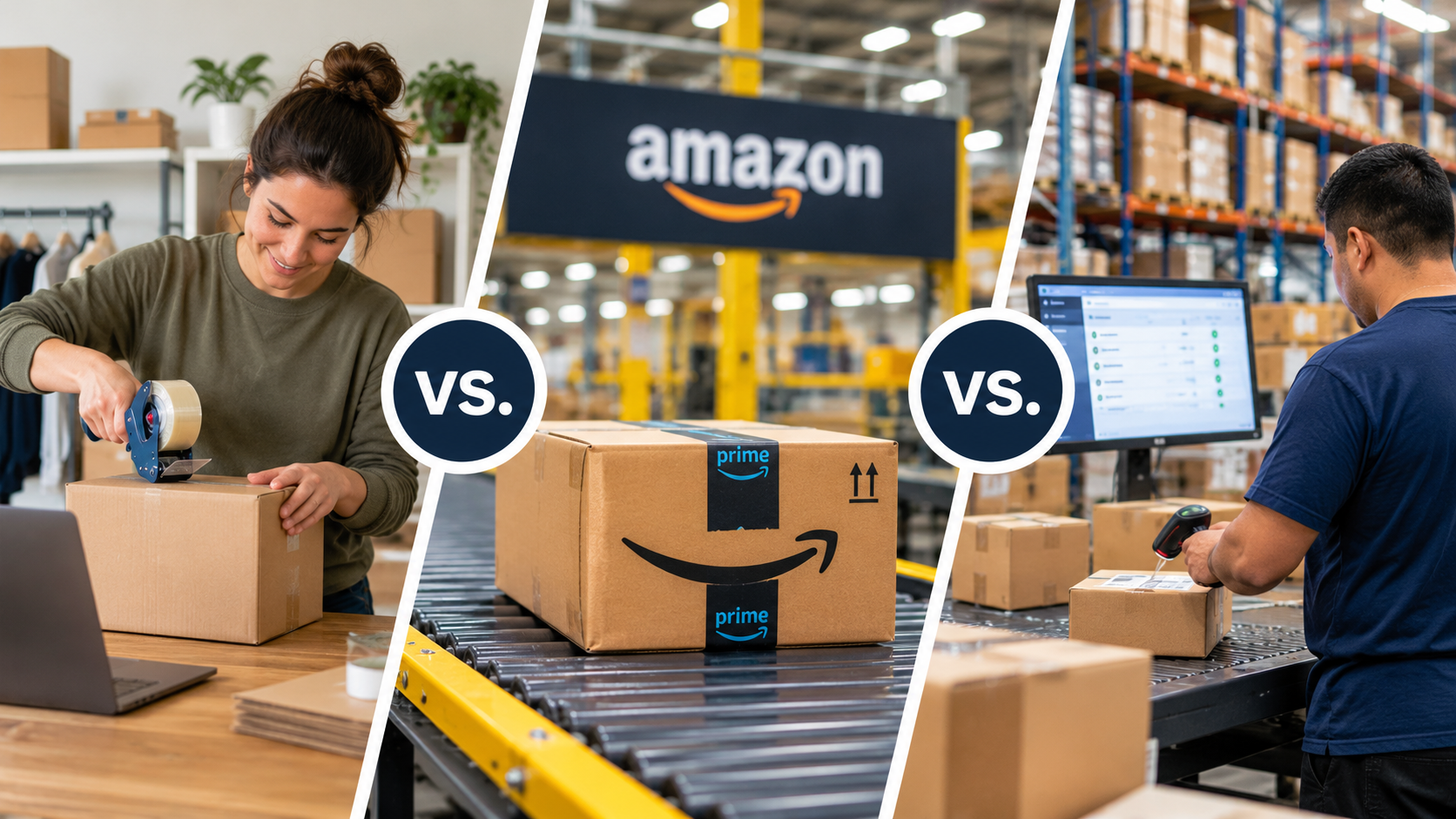
Creators generally pick one of three routes. Each works at some campaign size.
|
Route |
Works best for |
Where it breaks |
|---|---|---|
|
Self-fulfillment |
A few hundred small, light rewards, mostly domestic |
Kitting by hand, retail postage rates, garage space, weeks of the creator's time |
|
Amazon FBA or Multi-Channel Fulfillment |
Creators already selling on Amazon |
Prep requirements, limited kitting, little control over packaging |
|
A crowdfunding-capable 3PL |
Hundreds to thousands of backers, multiple tiers, international backers |
Some providers set minimums or don't take one-time campaigns |
Jamey Stegmaier of Stonemaier Games put the self-fulfillment problem simply: shipping 50 boxes is a lot different than shipping 500. There's no single backer count where a 3PL becomes the right call. It depends on the box, the tier structure, and how much of their own time the creator is willing to spend taping cartons in a spare room for three weekends straight.
What to ask a 3PL
- Do you take one-time campaigns, and what's your minimum backer count?
- Can you import my pledge manager's export directly?
- How do you bill kitting: per hour or per kit?
- Is there a monthly minimum after the backer wave ships?
- How do you handle duties-paid (DDP) international shipping and customs paperwork?
- How long does it take to ship the full wave once inventory is received?
For a side-by-side look at providers, see the top 15 Kickstarter and crowdfunding fulfillment services. Board game creators should also read how to choose a fulfillment partner for a board game Kickstarter.
Kitting reward tiers, add-ons, and stretch goals
A normal ecommerce order is a pick. A backer reward is usually an assembly job: a base product, a tier upgrade, two add-ons, and a stretch-goal insert, packed into one box. Each unique combination is its own kit. Five tiers with four optional add-ons can produce dozens of distinct boxes, and every one is a chance to pack the wrong thing.

How to keep kitting manageable
- Bundle add-ons into fixed packs instead of letting backers mix freely.
- Fold stretch goals into the base box wherever possible, so they don't create a new kit variant.
- Check whether a stretch goal changes the carton size. A new component can push a reward into a bigger box and a higher billable weight.
- Get a kit list from the pledge manager export before freight arrives, with a count for each combination.
Our kitting services page explains how pre-assembly works, and packaging and kitting tips for board game fulfillment covers the most kit-heavy category in detail.
Ship rewards and store orders from one warehouse
eFulfillment Service handles the reward wave and the daily store orders after it, with no long-term contract.
International backers, customs, and VAT
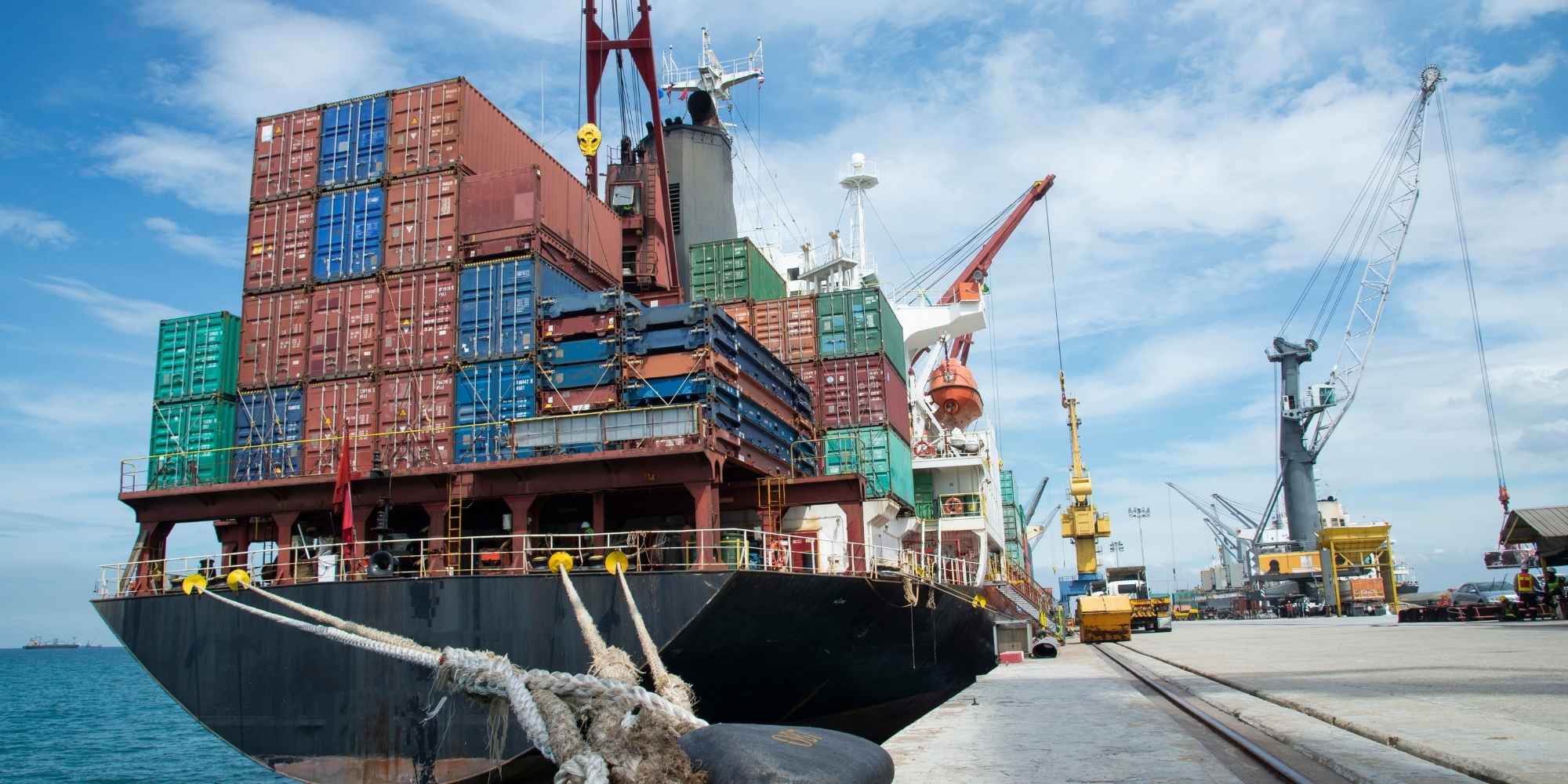
Crowdfunding campaigns can go international on day one, while a typical online store grows into overseas sales over years.
The biggest decision is who pays import duties and taxes:
- DDP (Delivered Duty Paid): the creator pays duties and VAT at the border, often after collecting them from backers in the pledge manager. The backer has nothing to pay at the door.
- DAP (Delivered at Place): the backer pays duties and VAT on delivery. Backers who weren't warned sometimes refuse the package.
BackerKit's own shipping guidance for creators recommends DDP for international backers because it avoids surprise fees and reduces refusals.
The EU rule that catches creators
Since July 1, 2021, the EU has charged import VAT on every commercial package, whatever its value. Kickstarter now offers optional VAT collection through its pledge manager, which helps creators who plan to ship DDP.
The backer wave: from freight arrival to last box
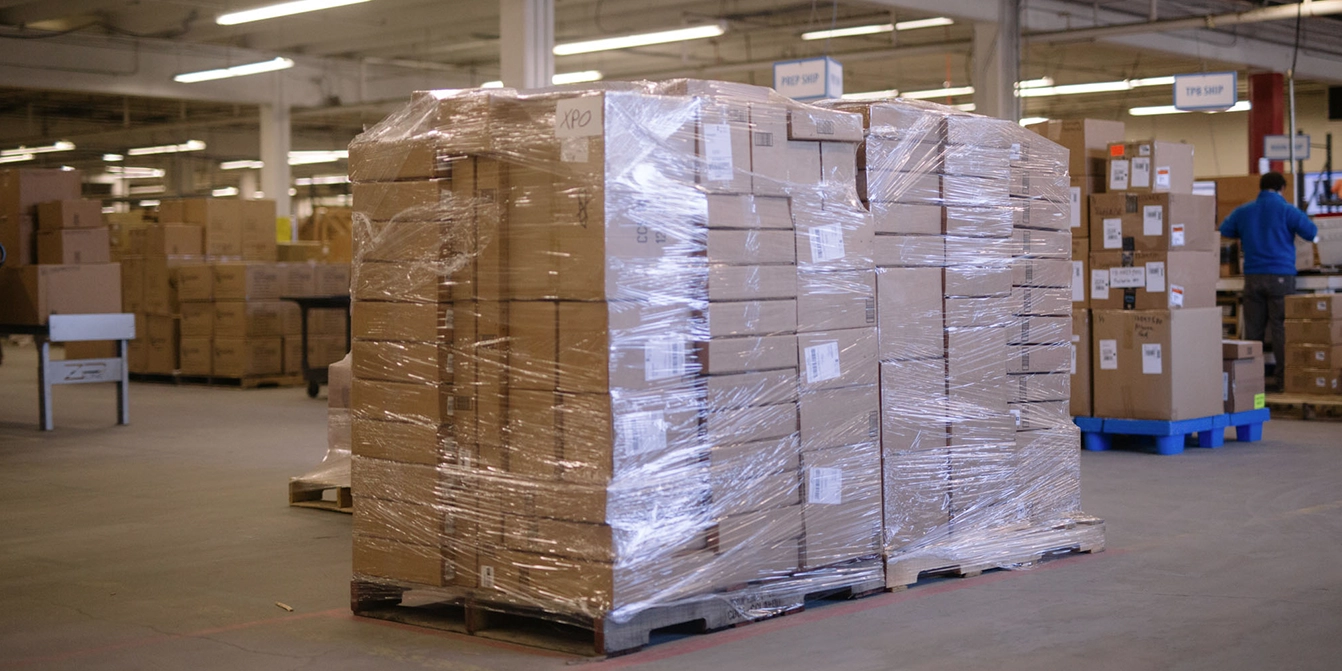
Once manufacturing finishes, everything happens fast. Freight lands and gets counted, then kits are assembled and labels print.
A realistic sequence
- Freight arrives at the warehouse and gets received against the packing list.
- Inventory is counted and any shortfall gets flagged to the creator before kitting starts.
- The final pledge manager export is imported, after the address-change deadline.
- Kits are assembled by reward combination.
- Orders ship in a wave, often domestic first and international close behind.
- Tracking numbers go back to the pledge manager so backers can see them.
Once inventory is in place, we generally turn pre-orders around in 1 to 3 days (details on our Kickstarter fulfillment page), though a large or kit-heavy wave takes longer to clear.
Why delays matter so much
Delays play out in public, in campaign comments and on forums. One BoardGameGeek forum analysis found Kickstarter board games run late by about 3.5 months on average. Kickstarter's own creator guide warns that going silent after the campaign ends erodes backer trust, even when fulfillment is on schedule.
A backer update when freight lands and another when the wave starts shipping cost nothing and head off most "where's my reward" comments. Our post on avoiding common fulfillment pitfalls in Kickstarter campaigns lists the delays that come up most often.
After the wave: replacements, returns, and selling the rest
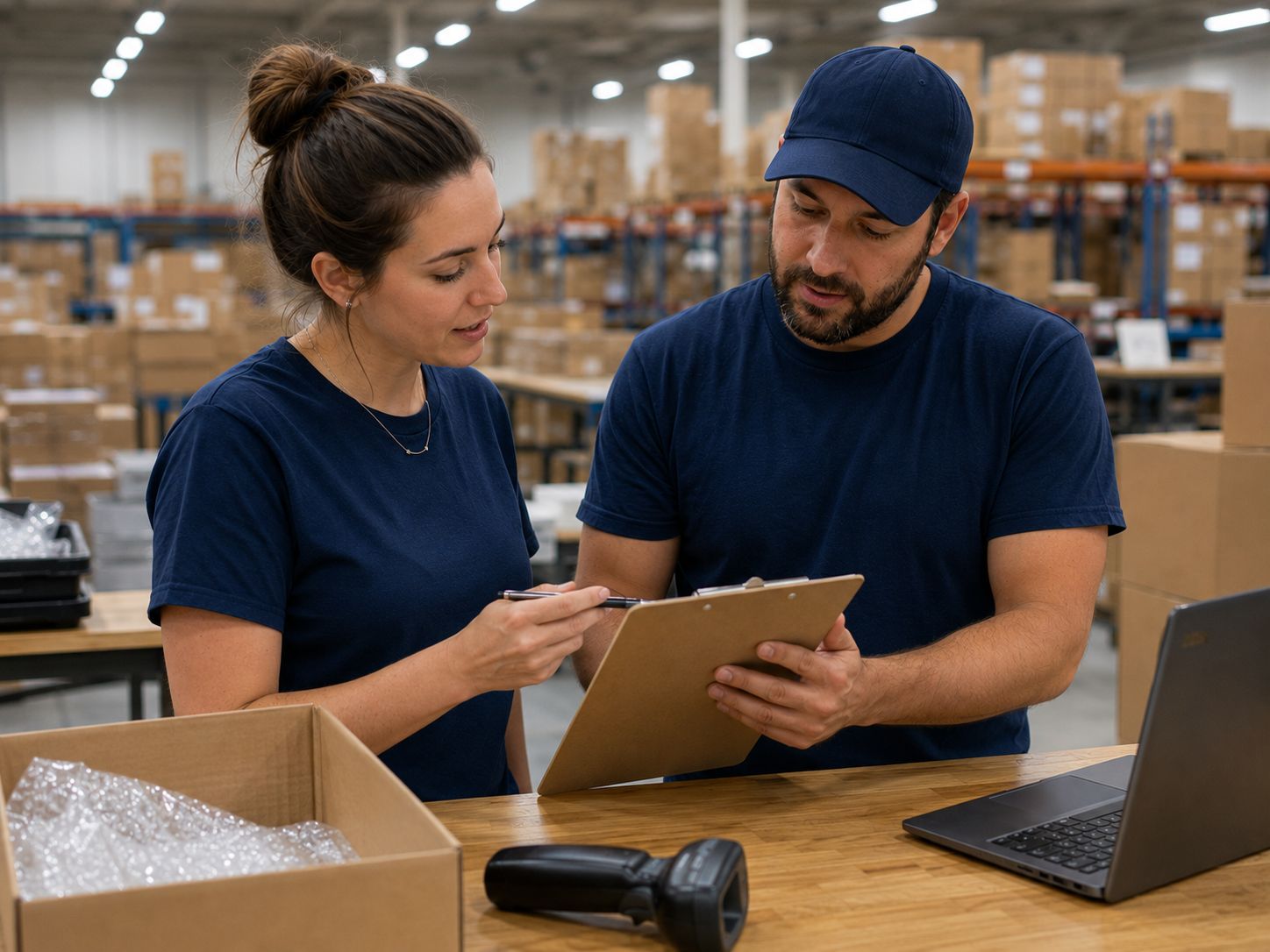
A few jobs remain once the wave ships:
- Replacements for damaged or lost packages, paid by the creator. There's no reliable public figure for how many to expect; it varies widely by product and packaging, so most creators set aside spare units.
- Returned packages from bad addresses, which need a corrected address and a second label.
- Backer support for missing items and wrong kits. Our guide to handling Kickstarter returns and customer service goes deeper on both problems.
Leftover inventory is a sales opportunity
Most campaigns end with extra units, from manufacturing overage or backers who never answered the pledge manager survey.
Kickstarter made Late Pledges available to all creators on May 21, 2024, so a funded project can keep taking pledges, and many creators open a Shopify store next.
Our guide on how to keep selling after your campaign ends covers that transition, and post-Kickstarter inventory management is about how much stock to hold.
Watch for monthly minimums here. A 3PL that charges a monthly minimum keeps billing after the wave, even when the store ships 30 orders a month.
Fulfillment guides by product type
Every category has its own weak spot. Start with the guide that matches your product:
| Product type | Main fulfillment challenge | Guide |
|---|---|---|
| Board games | Heavy boxes, many add-ons, dimensional weight | Kickstarter board game fulfillment |
| Books and comics | Thin margins, international postage that can rival the book's price | Kickstarter book fulfillment |
| Tabletop RPGs | Multiple books, slipcases, accessories per pledge | How one TTRPG Kickstarter scaled with a 3PL |
Still choosing a platform? See Indiegogo vs. Kickstarter for how the two compare.
Frequently Asked Questions
How long does Kickstarter fulfillment take?
Kickstarter's guidance puts it at roughly a year end to end. Manufacturing and freight take up most of that wait; the warehouse part, from receiving to last box out, is much shorter.
When should I contact a fulfillment company?
Before launch, so shipping prices on the campaign page come from a quote. Creators who charged shipping during the campaign without one have to live with that number or ask backers for more later.
Do I need a pledge manager?
Most campaigns with add-ons or international backers use one, because the campaign page doesn't collect final addresses or add-on purchases. The common ones, Kickstarter's own included, all export order files a 3PL can import.
Should international backers pay duties up front?
In most cases, yes. Collecting duties and VAT from backers in advance and shipping DDP means nothing is due at delivery, which avoids refusals over surprise fees.
What's the minimum campaign size for a 3PL?
It varies by provider. eFulfillment Service works with campaigns of all sizes and has no minimums, from a few hundred backer orders to tens of thousands.
Can the same 3PL handle my store orders after the campaign?
Many can, and it's worth asking before signing. Moving inventory between warehouses after the wave adds freight and receiving costs.
Key Takeaways
- Most of the calendar comes after funding. Kickstarter puts the span from campaign close to last delivered reward at roughly a year. Most of that wait is manufacturing and freight.
- Price shipping from the finished box. Carriers bill on the greater of actual and dimensional weight, and USPS made dimensional weight heavier in July 2026 by dropping its divisor to 139.
- Tier combinations become kits. Every add-on combination is another box to assemble and another chance for a packing error.
- Decide on DDP before launch. The EU charges import VAT on every commercial package, and backers who get a bill at the door sometimes refuse the package.
- Plan for after the wave. Replacements and store orders keep coming, and monthly minimums keep charging when volume drops.

0 Comments