
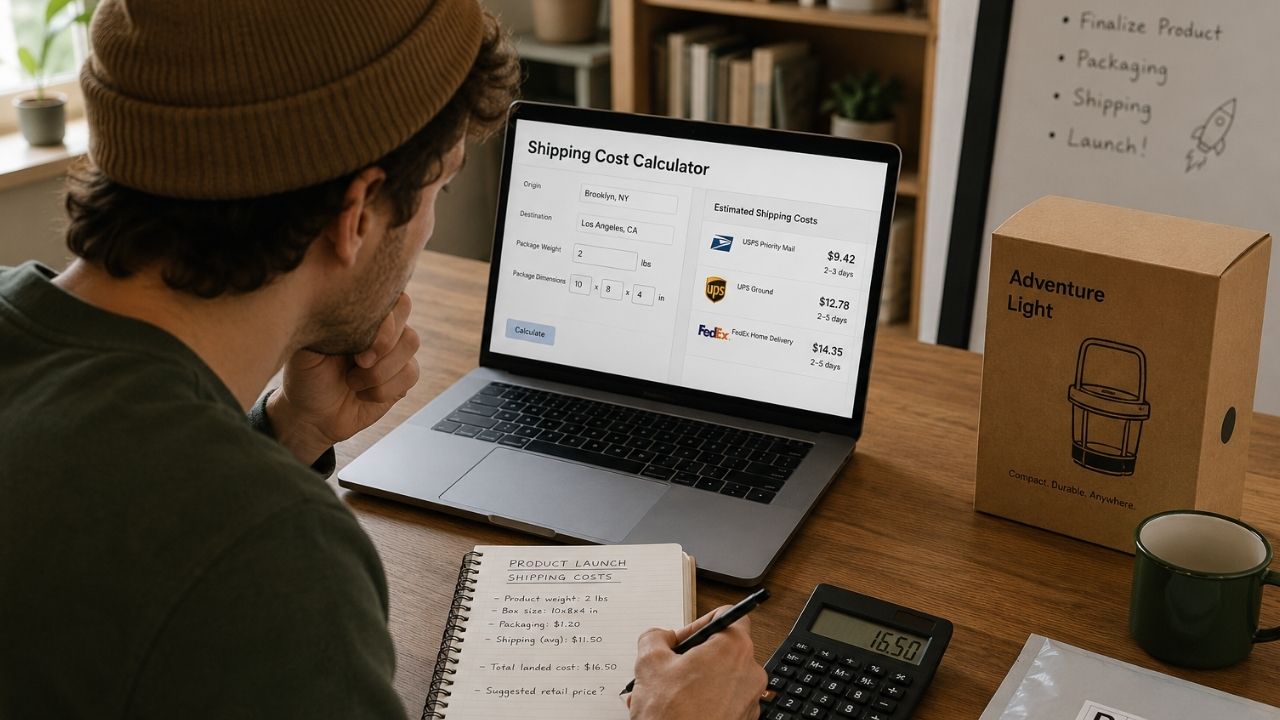
USPS changed how it calculates dimensional weight on July 12, 2026, dropping the divisor from 166 to 139. A 3-pound reward in a 14 x 12 x 11 inch box that used to bill at 12 pounds now bills at 14 pounds, even though nothing about the product changed.
Most Kickstarter creators budget shipping off a rough weight guess and a general sense of what postage costs. That gap between what creators assume and what carriers actually bill is where campaigns lose the most money after they’re funded. Calculating the real shipping costs before you set your reward tiers is the best way to prepare for your campaign for success.
Check out the Kickstarter Shipping Cost Calculator below is already built for the new 139 divisor. Enter your box dimensions and see what your reward tiers will really bill at.
Kickstarter Shipping Cost Calculator
Size your box, then see whether the shipping you charge backers actually covers what it costs to deliver.
Measure the final packed box — retail packaging, protective insert, and any stretch goal items included. Not the bare product.
Enter length, width, height, and actual weight to see billable weight.
These apply to every box regardless of destination. Postage is handled per region in Step 3.
- Backers
- How many people in that region will get a package. If you haven’t launched yet, estimate — most campaigns land around 60–75% United States. Leave a row blank if you’re not shipping there.
- Postage / parcel
- What the carrier charges you to send one box to that region. This is your cost, not the fee you collect from the backer.
- Where do I find that number?
-
Every carrier publishes a rate chart — a grid of prices by package weight and by how far the box travels. Look up your billable weight from Step 1, find the column for that destination, and use that price.
USPS, UPS, FedEx, and DHL all post current charts on their websites. “Current” matters: rates go up nearly every January.
If you’re working with a fulfillment company, ask them for their rate card instead. They buy shipping in bulk, so their prices are usually well below what you’d pay walking into a Post Office. - Duties and taxes (international rows only)
-
When a package crosses a border, most countries charge an import fee before it can be delivered. Somebody has to pay it, and you choose who:
- You pay it (carriers call this DDP, or Delivered Duty Paid). Costs you more per box, but the backer gets their reward with no surprise bill. If you go this route, add that fee into the postage number here — otherwise this calculator will tell you you’re profitable when you aren’t.
- The backer pays it (DDU or DAP, Delivered Duty Unpaid). Cheaper for you, and the most reliable way to generate angry comments on your campaign page — backers get a bill from the courier before they can collect a reward they already paid for. If you choose this, leave duties out of the number here, but say so clearly on your campaign page.
- You charge
- The shipping fee the backer pays you — whether you collect it inside the pledge amount or later through a pledge manager like BackerKit or PledgeBox.
Fill in a row for each region you’ll ship to. Postage is what one box costs you to send there at the billable weight from Step 1.
Why Shipping Is the Cost Creators Get Wrong Most Often
Shipping is rarely the line item creators research first. Product cost, manufacturing timelines, and marketing get the attention. Shipping gets a placeholder number, often copied from someone else’s campaign or guessed from a bathroom scale reading. The gap between that guess and reality is well documented. Creators commonly budget around $10,000 for shipping and fulfillment on a mid-size campaign, then discover the cost lands closer to $35,000 once every backer’s package is weighed, boxed, and billed.
Jamey Stegmaier of Stonemaier Games has published some of the most detailed numbers in the industry: shipping his game Viticulture to Europe cost $47 per unit, while backers were charged $20, a loss of $27 or more on every single European pledge, multiplied across hundreds of backers. That’s what can happen when shipping gets estimated instead of calculated.
Don't want to run these numbers yourself?
eFulfillment Service works with Kickstarter, Indigogo, and Gamefound creators to build shipping costs into your reward tiers before you launch.
Step 1: Weigh and Measure the Final Package, Not the Prototype
You need the final shipping configuration: product, retail packaging, any protective inserts, and the outer shipping box, all together, on a scale. Not the prototype. Not a mockup. Not the product alone without its box.
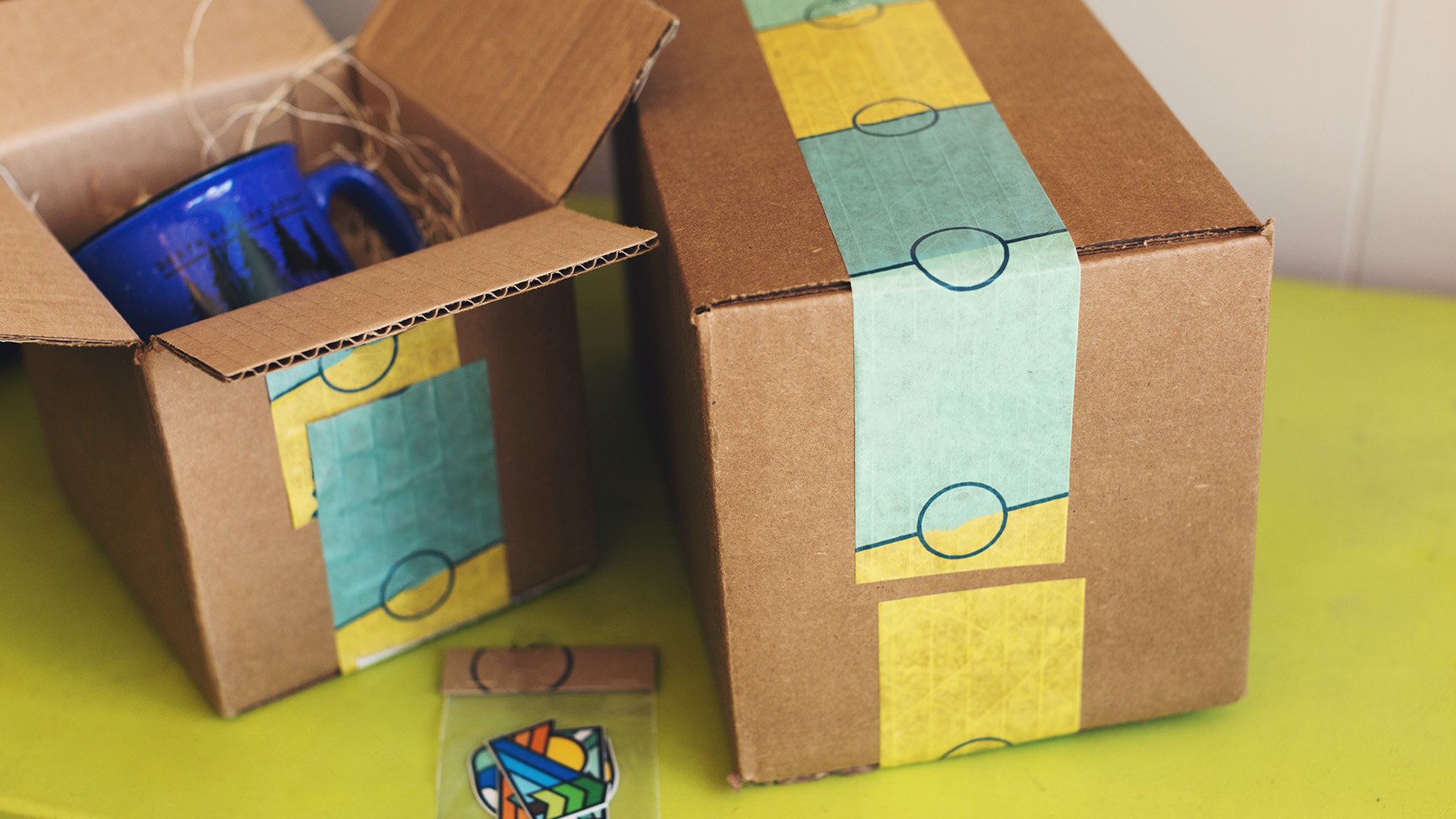
Record four things for each reward tier:
- Final packed weight, in pounds, to the nearest tenth
- Outer box dimensions, length x width x height in inches, rounded up to the next whole inch
- Product-only weight, so you can sanity-check the packed weight later
- Any variation by tier, since deluxe editions and add-on bundles usually carry different weights and dimensions than the base reward
If your product isn’t in final production form yet, get as close as you can with real materials. A shipping estimate built on a 3D-printed prototype in a guessed box size isn’t one you can act on. It’s more than likely a placeholder that will need to be redone.
Step 2: Calculate Billable Weight (Actual vs. Dimensional)
Carriers don’t bill you for what your package weighs. They bill you for whichever is higher: the actual weight, or the dimensional weight.
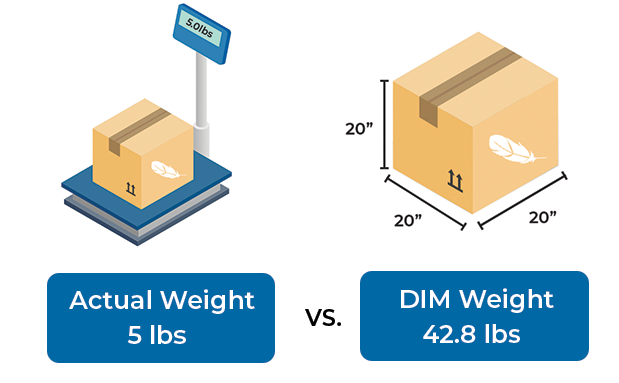
Dimensional weight approximates how much space a package takes up relative to its weight, so a large, light box doesn’t ship for the price of an envelope. The formula:
Dimensional weight = (Length × Width × Height) ÷ divisor
Round each dimension up to the next whole inch before multiplying. The divisor depends on the carrier and service, and it doesn’t hold still — USPS announced this change only about two months before it took effect, and there’s no reason to assume it won’t move again. Confirm the current number before you lock reward pricing; don’t take this table’s word for it months from now.
|
Shipping method |
Divisor (2026) |
|---|---|
|
USPS, UPS, FedEx ground (domestic) |
139 |
|
International air freight |
166 |
USPS only applies dimensional pricing to packages larger than 1,728 cubic inches (1 cubic foot). UPS and FedEx apply it more broadly, regardless of size. Carriers bill this way because a truck or cargo plane runs out of physical space long before it runs out of weight capacity — a load of large, light boxes can be unprofitable to move even though it’s nowhere near the weight limit.
Worked example, using the July 2026 divisor change:
A reward box measures 14 x 12 x 11 inches and weighs 3 pounds actual.
- Dimensional weight: (14 × 12 × 11) ÷ 139 = 1,848 ÷ 139 = 13.3 pounds, rounded up to 14 pounds
- Actual weight: 3 pounds
- Billable weight: the higher of the two, so 14 pounds
Before July 12, 2026, that same box would have billed at 12 pounds under the old 166 divisor. Same product, same box, higher bill, purely from a carrier rule change that doesn’t show up until the invoice arrives.
Once you know your billable weight per tier, run it through your carrier’s published rate chart (or your 3PL’s rate card) to get a postage number.
Step 3: Price Domestic Shipping Tier by Tier
With billable weight in hand, build out the full domestic cost for each reward tier:
Packaging + Handling + Postage = Total shipping cost per unit
- Packaging: the box, void fill, tape, and any printed materials like thank-you cards or backer-specific inserts. If you’re self-fulfilling, price these per unit. Pricing by the case obscures what each unit costs you.
- Handling: the labor cost of picking, packing, and labeling a single order. Self-fulfilling creators often forget to price their own time here; a 3PL will show it as a line item.
- Postage: the rate from Step 2, pulled from a carrier rate chart at your billable weight. 3PLs typically negotiate carrier rates 20 to 40% below what you’d pay booking postage yourself, so pricing this step with your own retail rate can overstate the cost if you end up working with a fulfillment partner.
Do this for your most expensive reward tier first. If the math works there, the simpler, lower-tier rewards are usually easier to price accurately.
Step 4: Build Your International Landed Cost
International backers make up a meaningful share of most Kickstarter campaigns from day one, and this is where budgets go wrong fastest.
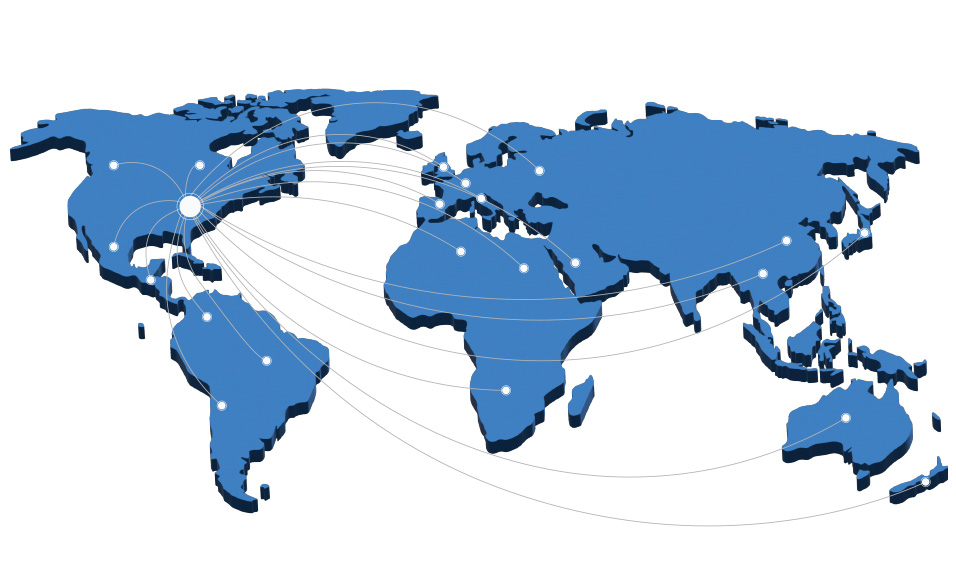
International backers make up a meaningful share of most Kickstarter campaigns from day one, and this is where budgets go wrong fastest.
Set up shipping zones. At minimum: US, Canada, EU, UK, Australia/New Zealand, Asia, and Rest of World. Costs and customs rules vary enough between these that a single flat international rate almost always underprices some zones and overprices others.
Price freight to your fulfillment center separately from last-mile delivery. If you’re importing inventory from a manufacturer, that freight cost (often estimated with a tool like Freightos) is a landed cost you pay once, upfront, regardless of where backers live. Last-mile shipping to each backer is a separate, per-zone cost on top of that.
Account for duties and VAT. Look up your product’s HS code and estimate duties per destination country (SimplyDuty and similar tools handle this). Then decide between two approaches:
- DDP (Delivered Duty Paid): you collect estimated duties and VAT upfront and prepay them, so the backer’s package arrives with nothing owed at the door.
- DAP (Delivered At Place, duties unpaid): the backer pays duties on delivery, which raises the risk of refused packages and angry backer messages.
DDP costs more to administer but produces far fewer support tickets and refused deliveries. Most crowdfunding-experienced 3PLs, including eFulfillment Service, can calculate and manage DDP shipping so this isn’t something you’re pricing from scratch.
Step 5: Add a Buffer, and Decide When to Charge It

Even a careful calculation misses things: a carrier rate increase, a packaging redesign, an address correction fee. Add 10 to 15% on top of your calculated shipping cost as a buffer before you lock reward tier pricing.
Then decide how backers pay for it:
- Bake it into the reward price. Simple, and it avoids a second charge later, but it locks in your shipping estimate before you have real backer addresses or a final package weight.
- Charge it separately through your pledge manager after the campaign ends. More accurate, since you’re calculating from real addresses and a finalized product, but backers see a second charge, which needs to be communicated clearly during the campaign to avoid surprise and refund requests.
Charging through the pledge manager avoids locking in a guess before you have real numbers. If you go this route, say so explicitly on your campaign page so backers aren’t surprised later.
A Worked Example: One Reward Tier, Start to Finish
The full calculation for a single domestic reward tier, combining every step above, looks like this:
| Line item | Amount |
|---|---|
| Final packed weight (actual) | 3.0 lbs |
| Box dimensions | 14″ x 12″ x 11″ |
| Dimensional weight ((14×12×11) ÷ 139) | 13.3 lbs, rounds to 14 lbs |
| Billable weight (higher of the two) | 14 lbs |
| Postage at 14 lbs billable, USPS Ground Advantage | roughly $17 to $22, depending on zone |
| Packaging (box, void fill, tape, insert) | $1.35 |
| Handling (pick, pack, label) | $2.50 |
| Subtotal, domestic shipping | roughly $21 to $26 |
| Buffer (12%) | roughly $2.50 to $3 |
| Total shipping cost per domestic unit | roughly $23 to $29 |
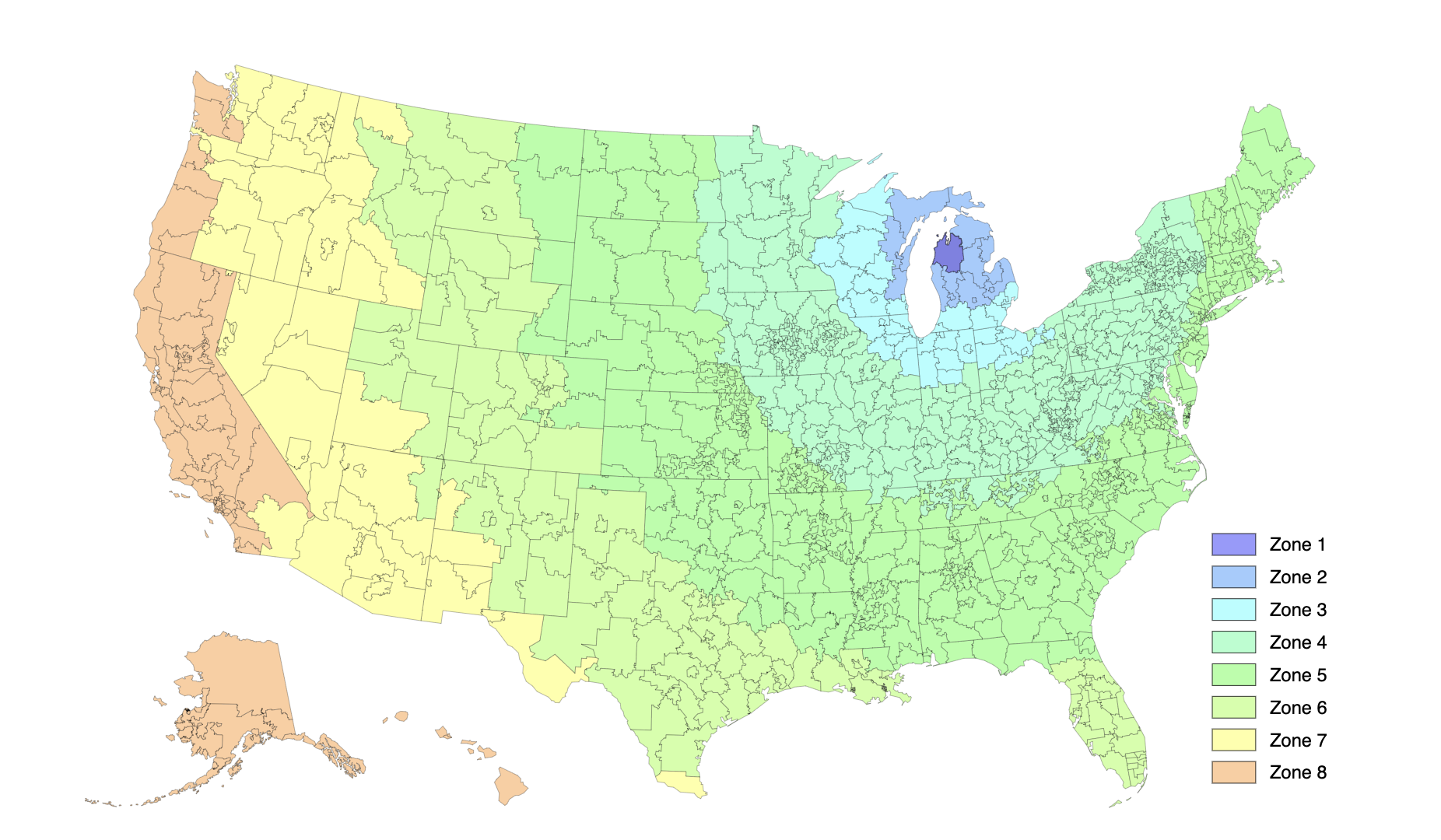
That’s the USPS range for this specific box. Carrier and weight both move the spread further than this example shows: a 5-pound FedEx Ground package, just to illustrate, runs around $12 to Zone 2 and around $18 to Zone 8 — over 50% more for the identical package. Pull the exact figure from a current carrier rate chart or your 3PL’s rate card once you know your real zone mix, rather than assuming a single flat rate applies everywhere.
Run this same table for every reward tier and every shipping zone before you finalize reward pricing. A campaign with three reward tiers and five shipping zones means fifteen versions of this table, which is exactly why creators default to a single guessed number instead. The guess is faster. It’s also the reason so many campaigns lose money on fulfillment after raising exactly the amount they asked for.
Fifteen spreadsheet tables sound like a lot?
eFulfillment Service can run your real per-tier, per-zone shipping costs before you lock reward pricing, so you’re not building this math alone.
Tools That Can Help You Calculate Faster
You don’t have to build every table from scratch.
- eFulfillment Service’s dimensional weight calculator lets you enter your package dimensions and compare billable weight across carriers before you commit to a box size or a divisor.
- Kickstarter’s own Pledge Manager (its native post-campaign tool, distinct from third-party options like BackerKit) can calculate shipping charges directly from backer addresses once your campaign is funded, using your final package weight and dimensions.
- BackerKit, the most widely used third-party pledge manager, offers similar shipping calculation tools, plus zone-based pricing if you’re managing multiple reward tiers and add-ons.
- Freightos and SimplyDuty help estimate international freight and duties before you commit to a landed cost per unit.
These tools calculate faster once you feed them measured numbers instead of guesses, but none of them replace the measuring step itself.
Skip the manual math
Plug your package dimensions into eFulfillment Service’s free dimensional weight calculator to see your real billable weight before you finalize your box size.
FAQ
What’s the biggest shipping cost mistake creators make?
Calculating cost from the product’s weight alone and ignoring dimensional weight. A large, lightweight box can bill at two or three times its actual weight once dimensional pricing applies.
Should I charge shipping as part of the reward price or separately?
Both work, but they trade off accuracy against simplicity. Baking shipping into the reward price is simpler for backers but locks in an estimate before you have real addresses. Charging separately through your pledge manager is more accurate but requires clear communication so backers aren’t surprised by a second charge.
How much buffer should I add to my shipping estimate?
10 to 15% on top of your calculated cost, to cover rate changes, address corrections, and packaging adjustments that come up between calculation and fulfillment.
Does the USPS dimensional weight change affect international shipping too?
No. The July 2026 change applies to USPS domestic services (Priority Mail Express, Priority Mail, Ground Advantage, and Parcel Select). International air freight typically uses a divisor of 166, which is unchanged.
Do I need to calculate shipping separately for every reward tier?
Yes, if the tiers differ in weight or dimensions, which most do. A base reward and a deluxe edition rarely ship in the same box at the same weight, so pricing them with a single shipping number usually overcharges one tier and undercharges the other.
When should I lock in my shipping numbers?
As close to campaign launch as possible, using final production packaging. If your product design changes after launch, in a way that affects weight or dimensions, recalculate before fulfillment, not after backers have already been charged.
Key Takeaways
- Carriers bill the higher of actual weight or dimensional weight, and USPS just made dimensional weight more expensive by dropping its divisor from 166 to 139 on July 12, 2026.
- A shipping estimate built on a prototype isn’t a finished estimate. Weigh and measure the final packed product, in its shipping box, before calculating anything.
- Domestic cost is packaging plus handling plus postage, calculated from billable weight instead of a flat guess per tier.
- International costs need zone-based pricing, not one flat rate, because freight, duties, and last-mile costs vary too much between regions to average.
- DDP shipping costs more upfront but produces far fewer refused packages and support tickets than leaving duties unpaid at delivery.
- A 10 to 15% buffer belongs in every calculation, on top of the calculated number, not instead of it.
Which Stage Are You In?
Still building your campaign page. Get your product into final packaging and run the calculations in this guide before you set reward tier pricing. It’s far easier to price accurately now than to explain a mid-campaign shipping fee increase to backers.
Funded and finalizing reward tiers. You have real backer addresses now. Recalculate shipping using those addresses and your final production packaging, then decide whether to bake the cost into rewards or charge it through your pledge manager.
Already shipping, and the numbers don’t match what you budgeted. A fulfillment partner can recalculate your real per-unit costs and flag where the gap is coming from, before it eats further into your margin.
Whichever stage you’re in, eFulfillment Service works with Kickstarter and Gamefound creators on shipping numbers you can defend. Get a quote and find out what your reward tiers cost to ship before you finalize your pricing.

0 Comments