
The internet doesn’t send a calendar invite when it decides your product should take off. One post lands, another shares it. By the end of the day, you’re watching traffic spike and wondering if your warehouse will keep up.
Social commerce is growing fast. Accenture fearless forecast: social commerce sales could hit $1.2 trillion by 2025…triple 2021 levels. This is driven largely by younger shoppers who unsurprisingly trust and act on creator content.

Speed matters more than reach now. Case in point: “TikTok made me buy it” has become a cultural shortcut for fast-moving demand. And it keeps selling out everyday products across categories.
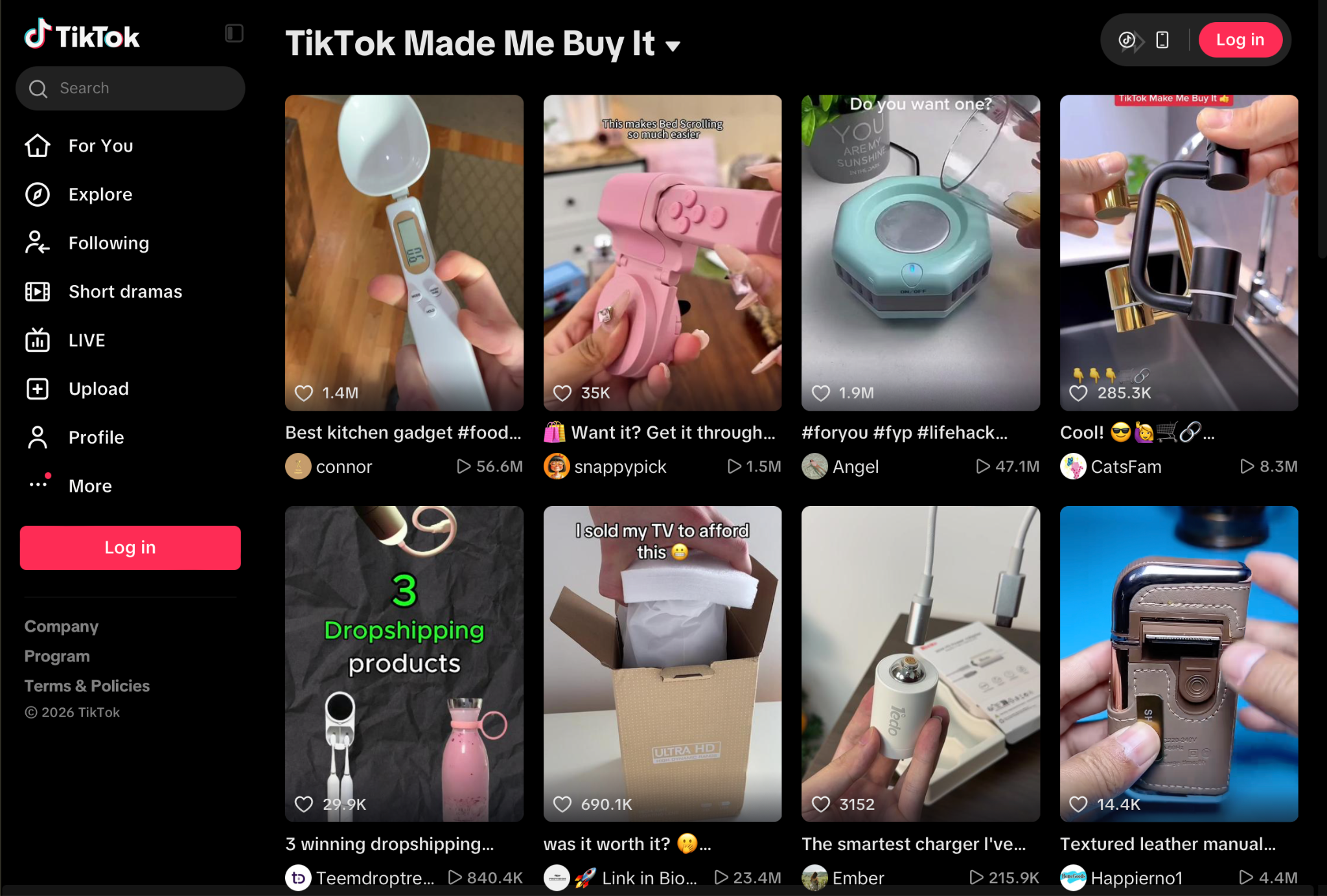
When a creator shines a light on your product, attention flips into orders in hours. Not days. Not weeks. Not months.
Customers who discover a product through a trending post expect a smooth path from checkout to delivery. That’s why brands need the inventory systems and communication plans to match that excitement.
The catch? Inventory before the influencer. Prepare your fulfillment now…and you can welcome the wave when it comes instead of scrambling to surf it later. Read on to learn more.
Understanding the Influencer Impact
Influencers are people who’ve built credibility with an audience and can move them to try new things. Think:

- A beauty creator whose routine feels like a friend’s tip
- A home organizer whose before-and-after video hits your brain’s satisfaction button
- A skater cruising with cranberry juice who makes a drink part of a feeling you want to join
Fulfillment with a Personal Touch.
See How Using a 3PL like eFulfillment Service sellers saves time. Get a Free Quote from eFulfillment Service Today!
Influencers give products context that traditional ads can’t replicate. A short video showing how an item solves a relatable problem can prompt thousands of people to search, engage, share, and purchase within hours.
Instagram, TikTok, and YouTube each do this differently. However, the outcome is similar: a surge that tests your stock, systems, support, and sales!
Technology also plays a role in how influencers shape consumer behavior. Chuck Schaeffer, co-founder and CEO of AVTEC, shares how AI-powered platforms and personalized recommendations can turn audience engagement into buying decisions.
Schaeffer says, “AI tech helps platforms understand what people search for and engage with, making product recommendations more relevant to individual interests. When a creator’s content aligns with those interests, a product can quickly move from being discovered to being purchased.”
For businesses, this means consumer demand can build faster than traditional sales patterns might suggest.
The Importance of Inventory Management
When a product goes viral, understocking leads to backorders and frustrated emails. Worse, shoppers are bouncing to competitors. On the flip side, overcommitting creates cancellations and messy refunds.
Enter inventory management. The art of having the right products. In the right quantities. At the right time…without letting your stock collect dust!
Stock availability shapes both immediate business revenue and lasting customer trust. Running out of a featured product can send shoppers elsewhere. Meanwhile, overselling creates cancellations and service issues.
Inventory management isn’t just important for retailers. It’s also essential for service businesses that depend on having the right parts and equipment available when customers need them.
Andrew Bates, COO of Bates Electric, brings a home services and electrical perspective to the importance of tracking resources and managing stock efficiently.
Bates explains, “Inventory management is about knowing where your resources are needed most. When businesses track demand and keep stock levels accurate, they can avoid unnecessary costs and make better decisions without putting customer trust at risk.”
Whether you’re managing electrical supplies or trending consumer products, the principle is the same: accurate inventory records and smart replenishment decisions help prevent costly shortages and excess stock.
With the right systems in place, businesses can better control stock and respond to demand changes with confidence. Remember, inventory is cash sitting on the shelf, so you’ve got to get it moving!
How To Prepare Fulfillment for Viral Product Demand
1. Forecast demand and plan ahead
You can’t predict every viral hit. However, you can watch the weather. Google Trends spots rising searches. You can start forecasting by:

- Tracking social mentions and creator engagement
- Looking for patterns in site traffic, waitlist signups, and repeat purchases
- Tying influencer outreach to UTM codes and unique landing pages
What to do:
- Forecasting: Start by paying attention to momentum. Look at search activity, social conversations, creator engagement, repeat purchases, and site traffic. Together, they show demand is building. Teams that connect those signals to purchasing and fulfillment decisions gain valuable time to secure stock and labor.
- Planning: To avoid supply chain problems, stay flexible. Negotiate partial shipments so you can get a portion of stock faster and pre-build packaging for top SKUs. Likewise, take pre-orders with honest ship dates when you see lift, so you turn interest into orders without overselling what you don’t have in the building yet.
Ultimately, accurate forecasting and careful planning go hand in hand. You’ve got to predict and plan inventory around viral products.
2. Build strong relationships with suppliers
When demand is shaky, relationships keep you steady. You can build these by:
- Sharing rolling forecasts with suppliers
- Updating them when campaigns are planned
- Asking candid questions about constraints
Suppliers respond fastest when you build the relationship before an urgent request arrives. That’s why it’s best to have candid conversations about production capacity, lead times, material availability, and contingency options. Remember, a dependable supplier network gives you practical choices when a product suddenly takes off.
Consider dual sourcing for critical components by:
- Exploring blanket POs to reserve capacity
- Reviewing packaging options that pack tighter to ship more units per carton when time is tight
- Aligning on service levels for quick-turn replenishment.
Transparency lowers everyone’s stress when the orders hit. For example, a real estate data provider offering a land insights alternative needs reliable suppliers to keep property records and market data up to date.
By sharing data needs early (like agreeing on update schedules and keeping backup sources ready), the provider can avoid service disruptions when a supplier falls behind.
3. Implement scalable fulfillment solutions
As orders rise, your fulfillment has to expand without tripping over itself. There’s no single right model. Each approach fits a different product mix and growth curve.
Dropshipping reduces inventory risk for bulky or long-tail SKUs. However, make sure to watch lead times and quality control. Consider the following:
- Local third-party logistics: A 3PL partner can provide trained labor, multi-node networks, and carrier leverage, among other benefits. However, be clear about SLAs in peak conditions.
- On-demand warehousing: It can be a smart safety valve when a single product surges beyond your normal footprint.
When evaluating fulfillment partners before the next spike, consider real-time inventory and order status via API or EDI with your platforms. Review the following:
- Peak-season service levels and surge handling
- Support for lot tracking, kitting, or custom packaging
- Multi-channel routing and backorder management
- Shipping options that reduce delivery times
- Ability to scale labor during demand spikes
- Communication plans for delays and disruptions
If a partner factors in those in detail with examples, you’re in good shape.
4. Leverage tech in fulfillment preparedness
Good tools make good processes faster. Take this tech stack, for instance:
- Inventory and order management systems – that sync in real time prevent overselling. Barcode scanning improves accuracy
- Automated allocation – that helps route orders to the right node
- Shipping platforms – that compare rates and services keep costs in check
In addition, real-time information helps fulfillment teams act before small issues become customer-facing problems.
When inventory, order management, shipping, and customer service systems share data, teams can spot stock constraints and prioritize orders. They can communicate accurate delivery updates.
But wait…there’s more. Invest in:
- Demand planning tools – that adjust forecasts daily
- Order management system (OMS) – that coordinates multi-warehouse routing
- Warehouse management system (WMS) – with wave picking for fast movers
- Centralized dashboards – that surface exceptions so you can act before customers feel the issue
Case Studies: Success Stories and Lessons Learned
Case study 1. Stanley’s Quencher: Turning viral demand into growth

Stanley’s Quencher tumbler shows what happens when creators meet operations. Once lifestyle influencers embraced the product, demand exploded. The company leaned into new colors and distribution while scaling production and fulfillment to keep supply flowing. When you see a repeatable demand pattern, operationalize it fast.
Case study 2. Ocean Spray: Capitalizing on cultural moments
Ocean Spray’s cranberry juice moment shows the power of participating in culture. The brand moved quickly to acknowledge the trend and benefited from a fast-growing fan base and a jump in sales. Keep a responsive playbook for earned virality and align supply so you can keep products available as awareness peaks.
Case study 3. Baked Feta Pasta: Preparing for sudden stock shortages

Not every surge is smooth. During the baked feta pasta craze, demand jumped so sharply that some regions reported shortages. A simple recipe turned into a stocking challenge for grocers and suppliers who weren’t ready. When demand for a staple input spikes, it quickly ripples across categories.
The strongest lessons from viral-product stories come from the processes behind the headline.
Successful brands prepare for demand volatility as part of everyday operations. They document their response plans and test capacity with partners. They also set clear ownership across teams and review what happened after every major sales event.
Ultimately, that discipline makes a surprise surge manageable, not chaotic.
Summary
Virality isn’t guaranteed. Preparedness is. If creators shine a flashlight on your brand tomorrow:
- Will customers meet a stocked shelf? Honest ship dates? And smooth delivery? Or a sold-out badge and a shrug?
That said, follow the crucial steps mentioned above by:
- Reviewing safety stock and reorder points on your top five SKUs
- Mapping how an order flows from checkout to ship label
- Confirming supplier lead times and surge options
- Testing the capacity waters with a small volume spike
- Setting a simple comms plan in place (for waitlists, pre-orders, delays)
As you may or may not be aware, viral demand is an opportunity to earn more and more customers. That said, preparation lets you welcome them with effective communication and efficient delivery.
When the moment comes, you can turn the scroll into a sale, and the sale into lasting trust. If you’re preparing fulfillment for viral product demand, eFulfilment Service can help. To get a free quote, sign up today!

About the Author
Brooke Webber is a passionate advocate for a people-first strategy in HR. Her major focus areas are workplace psychology and employee listening, where she has built strong experience as a writer and industry voice.
0 Comments